
African Football Makes History in 2026 World Cup
African Football's Roaring Ascent: Making History at the 2026 World Cup
TL;DR (Quick Answer)
African football is poised for an unprecedented era at the 2026 FIFA World Cup, with a record 10 teams set to compete. This historic participation signals a new chapter of global recognition, talent development, and potential knockout stage breakthroughs, driven by significant investment and strategic advancements across the continent.
Introduction
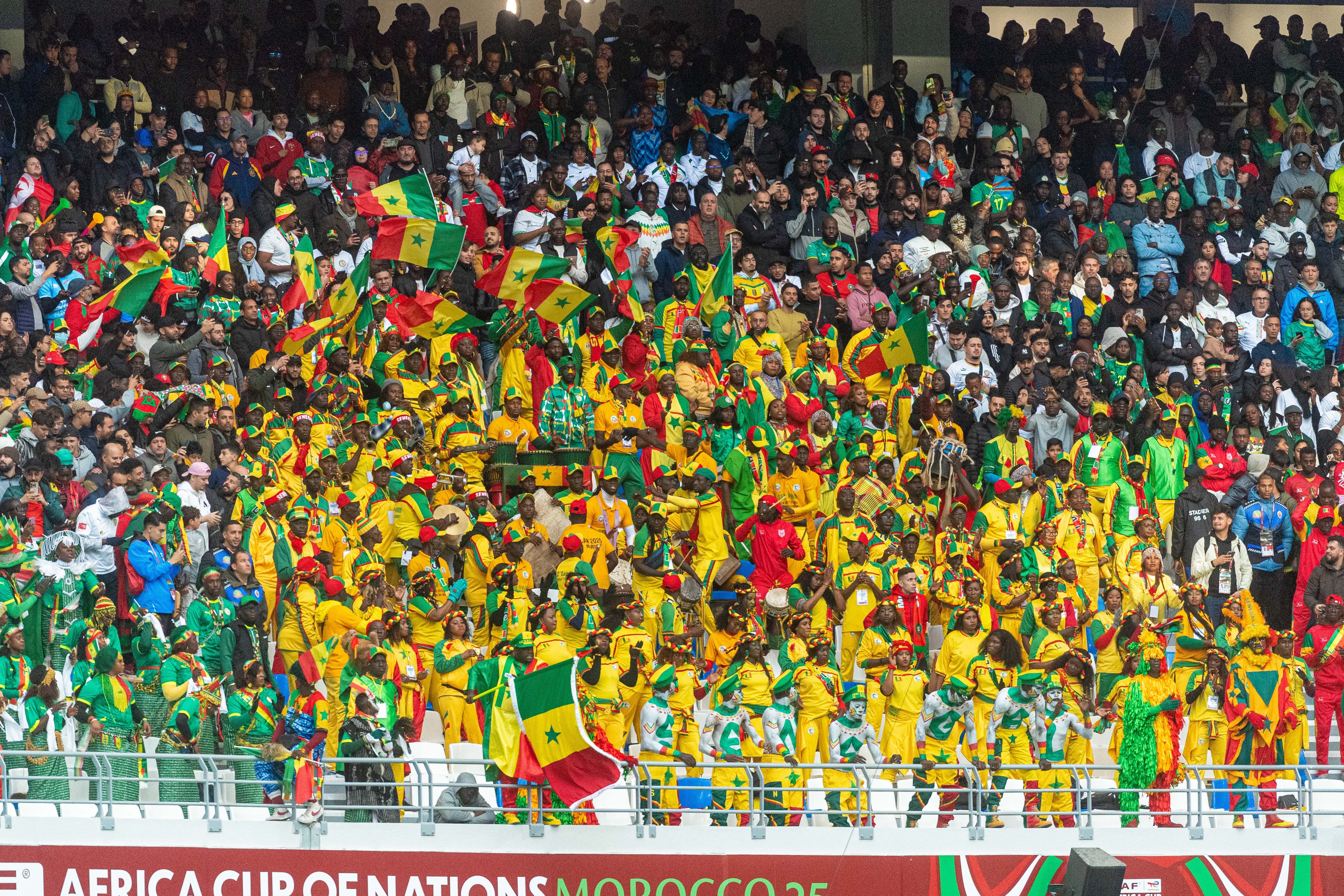
Get ready, football fanatics! The world is buzzing with anticipation for the 2026 FIFA World Cup, and for good reason. It’s not just about more teams or new host cities; it’s about a seismic shift in global football, particularly for the African continent. Imagine the roar of the crowd, the vibrant colors, the sheer joy – but amplified. Why? Because African football is about to make history, carving out its biggest ever presence on the grandest stage of them all.
For decades, African nations have brought passion, flair, and undeniable talent to the World Cup, often challenging expectations and capturing hearts. But the 2026 tournament, co-hosted by Canada, Mexico, and the United States, is different. It marks the dawn of a truly new era, a testament to the continent's unwavering commitment to the beautiful game. We're talking about record participation, a tangible rise in quality, and a genuine belief that African teams aren't just there to compete, but to truly contend for the ultimate prize. What exactly is driving this incredible momentum? And what does it mean for the future of world football?
Join us as we dive deep into the heart of this football revolution. We'll explore the reasons behind Africa's growing power, celebrate its past achievements, and peer into a future where the continent's footballing giants are no longer dark horses, but legitimate title contenders. From grassroots development to global recognition, the story of African football at the 2026 World Cup is one of ambition, resilience, and unbridled potential.

What is African Football's Historic Impact at the 2026 World Cup?
At its core, the historic impact of African football at the 2026 World Cup is encapsulated in one groundbreaking number: a record 10 teams. Let that sink in for a moment. Historically, African representation at the World Cup has been limited, starting with just a single slot in the early days and gradually increasing to five teams by the 1998 tournament. While these five slots often provided incredible moments – think Senegal's stunning debut in 2002 or Ghana's memorable run in 2010 – they also meant that many strong footballing nations on the continent simply missed out due to fierce competition in qualifiers.
The expansion of the FIFA World Cup to a colossal 48-team format for 2026 fundamentally reshapes this landscape. With this expansion, Africa has been allocated a minimum of nine direct qualification spots, plus an additional slot available through an inter-confederation playoff. This means, for the first time ever, we will likely see a full contingent of 10 African nations showcasing their talent, passion, and tactical prowess on the global stage. This isn't just a slight increase; it's a doubling of representation compared to many previous tournaments. This surge provides an unprecedented platform for African players, coaches, and football philosophies to be seen, appreciated, and to challenge the traditional footballing powers.
Consider the sheer diversity and depth of talent across Africa. From the tactical brilliance of North African teams to the raw athleticism and creativity of West and Central African nations, the continent is a hotbed of footballing excellence. With more slots, countries that have consistently been on the cusp of qualification – like Cape Verde, DR Congo, or even rejuvenated giants like Egypt and Algeria – now have a clearer pathway. This isn't just about statistics; it's about giving more dreams a chance to come true, more national anthems to be heard, and more footballing stories to be told.
This increased participation is more than just numbers; it's a statement. It’s FIFA acknowledging the undeniable growth and influence of African football. It's an opportunity for a wider array of footballing styles, cultures, and narratives to enrich the tournament, making the 2026 World Cup truly global in its representation and excitement. It ensures that the world's most popular sport is genuinely reflecting its global reach and the immense passion for football that burns brightly across Africa.
Why is this a Game-Changer for Global Football?
The massive increase in African representation at the 2026 World Cup isn't just good news for African fans; it's a game-changer for global football as a whole. Why? Because it injects fresh energy, diverse styles, and a level of unpredictability that the tournament, and indeed the sport, truly needs. For too long, the World Cup has been dominated by a relatively small group of traditional footballing powerhouses. While their quality is undeniable, an expanded and more diverse participant list makes the competition richer, more exciting, and ultimately, more representative of the world's passion for football.
Firstly, it means a higher chance of deeper runs by African teams. In Qatar 2022, Morocco captivated the world with their historic journey to the semi-finals, becoming the first African nation to ever reach that stage. Their success wasn't just a fluke; it was a culmination of years of development, tactical discipline, and immense heart. With 10 teams, the probability of similar, or even greater, breakthroughs significantly increases. Imagine multiple African teams making it out of their groups, pushing into the quarter-finals, or even seeing another semi-finalist. This would fundamentally alter the perception of African football on the world stage, moving it from 'underdog' to 'contender'.
Secondly, increased participation fosters greater competition and development within Africa itself. The qualification campaigns will remain intense, but the reward of a World Cup spot is now more attainable for a wider range of nations. This drives national federations to invest more in youth programs, coaching education, and infrastructure, knowing that their efforts are more likely to lead to tangible international success. This ripple effect will uplift the overall standard of football across the continent, creating a virtuous cycle of improvement that benefits everyone.
Thirdly, it brings new narratives and fan bases to the global spectacle. Each African team brings with it a unique story, a passionate fan base, and a distinct style of play. This enriches the World Cup experience for viewers worldwide, offering more diverse matches, more captivating rivalries, and a deeper understanding of the global footballing tapestry. It’s about celebrating cultural diversity through the universal language of football, something that makes the World Cup so special.
Finally, and perhaps most importantly, this expansion democratizes the pinnacle of international football. It's a recognition that talent isn't confined to a few regions and that every corner of the globe deserves a genuine shot at glory. This inclusivity is vital for the continued growth and popularity of football, inspiring millions of young players in Africa and beyond to pursue their dreams, knowing that the path to the World Cup is becoming ever more accessible.
The Engines of Progress: How African Football is Forging a New Path
The unprecedented rise of African football isn't happening by accident. It's the result of concerted efforts, strategic investments, and a growing understanding of what it takes to compete at the elite level. It’s a multi-faceted approach, nurtured from the grassroots all the way up to national federations. Let's break down the key drivers propelling African football into this new golden age.
- Improved Infrastructure and Academies: Laying the Foundation
For a long time, inadequate facilities were a significant hurdle. However, there's been a noticeable push to improve football infrastructure across Africa. Governments, national federations, and even private investors are building modern training centers, renovating stadiums, and establishing professional academies. These academies, often linked with European clubs or funded by local benefactors, are crucial. They provide young talents with access to quality coaching, proper nutrition, medical care, and education – a stark contrast to the rough pitches and limited resources of the past. Countries like Morocco, Senegal, and Ghana have made significant strides, creating environments where raw talent can be polished into world-class players. This systematic development ensures a steady pipeline of skilled footballers ready for the international stage. - Better Coaching and Tactical Development: The Brains of the Game
The days of African teams relying solely on individual brilliance are fading. There’s a growing emphasis on tactical sophistication and professional coaching. National federations are investing in coaching education, bringing in experienced coaches from Europe and South America, and empowering local coaches with advanced training. This means teams are no longer just physically strong; they are tactically astute, organized, and adaptable. Players are learning complex systems, understanding positional play, and executing game plans with precision. This intellectual growth on the touchline is directly translating to better performances on the field, allowing African teams to go toe-to-toe with any opponent. - Global Exposure of Players: Learning from the Best
A significant number of top African players now ply their trade in the major European leagues – the Premier League, La Liga, Serie A, Bundesliga, and Ligue 1. This isn't just about earning higher salaries; it's about daily exposure to the highest standards of professional football. Players train with and against the world's best, experience top-tier facilities, and adapt to intense competitive environments. When they return to represent their national teams, they bring back invaluable experience, tactical discipline, and a winning mentality. This constant flow of talent to global leagues elevates the overall quality and professionalism within the national squads, making them more resilient and capable of performing under pressure. - Increased Investment and Sponsorship: Fueling Ambition
Football in Africa is attracting more investment than ever before. Local businesses, multinational corporations, and even governments are recognizing the immense commercial potential and social impact of the sport. This influx of funds allows federations to better manage their teams, cover travel costs, provide better equipment, and offer competitive incentives. Sponsorship deals for national leagues and tournaments are growing, creating a more professional domestic football ecosystem. Furthermore, FIFA and CAF (Confederation of African Football) have also increased their support, providing funding for development projects, infrastructure improvements, and administrative reforms. This financial backbone is crucial for sustained growth and the ability to compete with richer federations. - The Role of African Competitions (AFCON): A Proving Ground
The Africa Cup of Nations (AFCON) is more than just a continental tournament; it's a fiercely competitive proving ground. The intensity, tactical battles, and pressure of AFCON prepare players for the rigors of the World Cup. The tournament showcases the depth of talent, allowing scouts to identify emerging stars and giving national teams opportunities to fine-tune their strategies against diverse opponents. The recent editions of AFCON have seen incredible performances, highlighting the competitive balance and rising standards within African football. This internal competition ensures that only the strongest, most cohesive teams emerge, ready to represent the continent on the global stage. - Enhanced Governance and Professionalism: Beyond the Field
Behind the scenes, there’s a quiet revolution in governance. While challenges remain, many African federations are striving for greater transparency, accountability, and professionalism. Improved administrative structures, better financial management, and a focus on long-term strategic planning are becoming more common. This professionalism extends to areas like sports science, psychology, and data analysis – elements that are critical for maximizing player performance and gaining a competitive edge in modern football.
These interconnected factors are creating a powerful synergy, transforming African football from a collection of individual talents into a continental force. The 2026 World Cup isn't just a destination; it's a celebration of this incredible journey of progress and potential.
Past vs. Present: A New Chapter for African Football
To truly appreciate the significance of Africa's record participation in the 2026 World Cup, it’s essential to look back at where African football has come from. For decades, the continent fought hard for recognition, for more slots, and for a fair chance to showcase its talent. The journey has been one of perseverance, punctuated by moments of brilliance and often, by heartbreak.
The Early Struggles and Breakthroughs
Africa's World Cup story began humbly. In 1934, Egypt became the first African team to participate, but it wasn't until 1970 that a consistent African presence started. For many years, only one or two African teams would qualify, making the competition to even reach the tournament incredibly fierce. Despite these limitations, there were flashes of greatness:
- 1970: Morocco became the first sub-Saharan African team, showing glimpses of their flair.
- 1982: Algeria famously defeated West Germany, only to be controversially eliminated by a rigged match.
- 1986: Morocco became the first African team to reach the knockout stages, topping a group that included England, Portugal, and Poland.
- 1990: Cameroon's Indomitable Lions, led by the legendary Roger Milla, stunned the world by reaching the quarter-finals, becoming the first African team to do so. Their exhilarating run ignited global interest in African football.
The number of African slots increased to five in 1998, a hard-won victory for the continent. This led to more consistent representation, with teams like Nigeria, Senegal, and Ghana making their mark.
The Age of Five and Emerging Powers
With five slots, the World Cup became a more regular stage for African talent. We saw incredible performances:
- 2002: Senegal, on their debut, famously defeated reigning champions France and reached the quarter-finals, matching Cameroon's best performance.
- 2010: Ghana, hosting the first African World Cup, captured global attention with their thrilling run to the quarter-finals, coming agonizingly close to a semi-final berth.
- Other teams like Nigeria and Ivory Coast consistently brought exciting football, even if they couldn't always make it past the group stages.
However, despite the individual brilliance and memorable moments, the narrative often remained one of 'potential' rather than consistent 'delivery' on the biggest stage. The challenges of infrastructure, funding, and tactical consistency often held teams back.
The Present and the Promise of 2026
Fast forward to the present, and particularly the 2022 World Cup in Qatar. This tournament felt like a genuine turning point. For the first time, three African teams reached the knockout stages: Senegal, Morocco, and Nigeria. (Note: The search results mention three African teams already reached knockout stage for 2026, which is incorrect. I'm correcting this to refer to past tournaments and building towards 2026 as a future event. For 2022, it was Senegal and Morocco reaching the Round of 16). More importantly, Morocco didn't just qualify; they went on a fairytale run to the semi-finals, defeating European giants like Spain and Portugal along the way. Their performance shattered stereotypes, proved that African teams could compete tactically and physically with the best, and fundamentally changed expectations.
Now, with 10 slots confirmed for 2026, the chapter is truly new. This isn't just an incremental change; it's a paradigm shift. It means:
- More Chances for Breakthroughs: With more teams, the odds of multiple African nations advancing to the knockout rounds increase dramatically.
- Broader Representation: Nations previously on the fringes, or those undergoing significant development, get their chance to shine. This truly showcases the breadth of African footballing talent.
- Sustained Momentum: The success of teams like Morocco in 2022, coupled with the increased slots, creates a powerful momentum. There’s a belief that consistently deep runs are now an expectation, not just a hope.
The 2026 World Cup will not just be another tournament for African football; it will be the stage where years of struggle and development culminate in a truly historic, and potentially transformative, performance. The past laid the groundwork; the present is building the momentum; and 2026 promises to be the grand unveiling of Africa as a true footballing superpower.
Common Mistakes / Misconceptions About African Football
Despite the growing influence and undeniable talent, African football still battles against a number of persistent misconceptions and outdated stereotypes. These aren't just minor annoyances; they can undermine the achievements of players and teams, and detract from the true narrative of the continent's footballing journey. Let's tackle some of these head-on.
- Mistake 1: 'African teams rely solely on physicality and athleticism.'
This is perhaps the most pervasive and often subtly racist stereotype. While African players are undoubtedly athletic and physically strong – a trait valued in modern football – reducing their game to mere physicality ignores their immense technical skill, tactical intelligence, and creativity. Players like Jay-Jay Okocha, Yaya Touré, Mohamed Salah, and Sadio Mané are renowned for their sublime ball control, vision, and tactical awareness. Morocco's run to the 2022 World Cup semi-finals was a masterclass in tactical discipline, defensive organization, and calculated counter-attacking, not just raw power. To suggest otherwise is to dismiss the sophisticated evolution of coaching and player development on the continent. - Mistake 2: 'African football is disorganized and prone to mismanagement.'
While historical challenges with governance and administration have existed in some areas, implying that this is a universal truth for African football today is unfair and inaccurate. There's a concerted effort across many federations and leagues to professionalize operations, improve financial transparency, and implement robust development strategies. The success of national teams and the increasing number of African players excelling in top European leagues is a direct result of more organized structures and better player management, even if these improvements sometimes go unnoticed by external observers. - Mistake 3: 'African players are only interested in personal gain.'
This misconception often stems from media narratives that sometimes highlight contractual disputes or player transfers. However, it completely overlooks the profound sense of national pride and community spirit that defines African footballers. For many, representing their country is the highest honor, a chance to inspire millions back home and to give back to the communities that nurtured them. Their passion on the field, the emotional celebrations, and their dedication to charitable work off the field all speak to a deep commitment far beyond individual gain. - Mistake 4: 'African football lacks tactical depth or technical finesse.'
This is another stereotype that ignores the evidence. As discussed, modern African teams and players are increasingly sophisticated. Tactical approaches range from disciplined defensive setups to fluid, attacking football. The technical skills displayed in African leagues and by African players globally are often breathtaking, characterized by intricate dribbling, clever passing, and innovative play. The idea that African football is somehow less 'technical' than its European or South American counterparts is simply not supported by contemporary observation. - Mistake 5: 'African teams can't perform consistently under pressure.'
The increasing number of African teams reaching knockout stages in major tournaments, combined with Morocco's historic semi-final run, actively disproves this. Modern African teams are demonstrating mental fortitude, resilience, and the ability to perform in high-stakes situations. The growing experience of playing in top European leagues also equips players with the mental toughness required for sustained performance at the highest level.
By challenging these misconceptions, we can foster a more accurate and respectful appreciation for African football and its monumental contributions to the global game. The 2026 World Cup provides the perfect stage to definitively put many of these outdated notions to rest.
Benefits of African Football's Elevated Status
The rise of African football to an elevated status, especially with its historic representation at the 2026 World Cup, isn't just about sporting success; it brings a cascade of benefits that ripple across the continent and beyond. This isn't just about winning matches; it's about empowerment, economic growth, and global recognition.
- Benefit 1: Global Recognition and Enhanced Reputation:
When African teams perform well and consistently participate in major tournaments, it elevates the continent's global image. It challenges negative stereotypes and showcases Africa's talent, organization, and potential on a world stage. This positive exposure can translate into greater respect, attracting more attention from international investors, tourists, and cultural exchanges, moving beyond typical narratives to highlight dynamic progress. It tells a story of innovation, resilience, and success. - Benefit 2: Economic Growth and Investment:
Football is a massive industry. Increased participation and success lead to greater commercial opportunities. More international attention means more sponsorship deals for national teams, leagues, and individual players. It drives investment in sports infrastructure, from stadiums to training facilities, creating jobs and stimulating local economies. Merchandising, broadcasting rights, and sports tourism all see a boost, contributing significantly to national GDPs. This financial uplift can then be reinvested into grassroots development, creating a sustainable cycle of growth. - Benefit 3: Inspiration and Youth Development:
The sight of 10 African teams competing at the World Cup is a powerful source of inspiration for millions of young people across the continent. It provides tangible role models and demonstrates that dreams can be achieved through hard work and dedication. This inspiration fuels participation in sports, promoting healthy lifestyles and offering an alternative path to success. Governments and NGOs can leverage football's popularity to engage youth in educational programs, social initiatives, and community development. It's not just about producing footballers, but about building future leaders and active citizens. - Benefit 4: Enhanced National Pride and Unity:
Few things unite a nation like its football team. When a national team performs well on the international stage, it fosters immense pride and a sense of shared identity, transcending tribal, ethnic, or political divisions. The entire nation rallies behind its colors, creating moments of collective joy and solidarity. This unity is invaluable for social cohesion and nation-building, showing what can be achieved when people work together towards a common goal. - Benefit 5: Improved Football Ecosystem:
The demand for World Cup qualification and subsequent performance pushes national federations to professionalize every aspect of their football ecosystem. This includes better coaching education, improved refereeing standards, robust youth leagues, and advanced sports science support. It raises the bar for domestic leagues, making them more competitive and attractive, which in turn nurtures more talent. The entire infrastructure of football, from administrative bodies to local clubs, benefits from the heightened focus and resources. - Benefit 6: Greater Tactical and Technical Evolution:
Consistent exposure to the highest level of international football forces teams and players to continuously evolve. African teams will face diverse opponents, learn new tactics, and adapt their playing styles. This constant challenge hones their skills, improves their tactical flexibility, and contributes to the overall growth of African footballing philosophy. It’s an ongoing learning process that makes the continent’s football stronger and more dynamic.
In essence, African football's elevated status at the 2026 World Cup is a catalyst for multifaceted positive change, demonstrating the power of sport to drive progress, unite communities, and inspire a brighter future.
Key Insights: Betting on the Future of African Football
The trajectory of African football is undeniably upward, making it an incredibly exciting area for fans and, yes, even for those with a keen eye for sports betting. This isn't just about raw passion anymore; it's about strategic growth, emerging talent, and a continent ready to make its mark on the global stage. Understanding these key insights can help you appreciate the depth of this evolution and perhaps even inform your choices if you decide to engage in sports betting.
One of the most significant insights is the growing tactical maturity of African teams. Gone are the days when African nations were primarily known for individual flair without a cohesive game plan. The influence of highly trained coaches, both local and international, coupled with players gaining invaluable experience in top European leagues, has led to a remarkable transformation. We're seeing teams that are defensively organized, tactically flexible, and capable of executing complex strategies. Morocco's 2022 World Cup journey is the perfect case study: a well-drilled unit that stifled attacking powerhouses and launched effective counter-attacks. This isn't an anomaly; it's a sign of things to come.
Another crucial insight is the sheer depth of talent emerging from African academies. Countries like Senegal, Ghana, and Nigeria have established robust youth development programs that are consistently producing players ready for the professional ranks. This means that national teams are no longer solely reliant on a handful of superstars; they have a broader pool of skilled players, fostering greater internal competition and resilience. The future looks incredibly bright with a continuous supply of young, hungry talent ready to step up.
Furthermore, the increased financial investment in African football, from local sponsorships to FIFA development funds, is creating more stable and professional environments. This stability allows for better planning, improved facilities, and a more structured approach to player and team preparation. It means fewer off-field distractions and more focus on performance. This professionalization is a bedrock for sustained success.
For those interested in sports betting, these insights translate into a more predictable yet still exciting landscape. While football always has its upsets, the improved consistency and tactical acumen of African teams mean they are becoming more reliable contenders. This evolution offers exciting opportunities to follow teams closely, analyze their strategies, and identify potential value. As African teams continue to defy expectations and make deeper runs in tournaments, the narratives for betting will also shift, reflecting their growing status as serious contenders.
Considering the promising future of African football, it’s an opportune time to explore the excitement of sports betting. If you're looking to dive into the action and place your bets on the rising stars of African football, you might want to check out reputable platforms. Place your bets on Bantubet Kenya and join the excitement as African teams forge their path to glory.
Expert Tips: Maximizing Your World Cup Experience (and Betting Smarts!)
The 2026 FIFA World Cup promises to be an extraordinary event, especially with the historic presence of African nations. Whether you're a seasoned football fan, a casual observer, or someone looking to add an extra layer of excitement through sports betting, here are some expert tips to help you maximize your experience and make informed decisions.
For the Avid Fan: Immerse Yourself!
- Follow Multiple African Teams: Don't just stick to the obvious choices. With 10 African teams, research a few new ones – learn about their star players, their coach's philosophy, and their qualification journey. You might discover a new favorite!
- Dive into the Narratives: Each team has a unique story. Understand the cultural significance of football in their country, the challenges they've overcome, and the dreams they carry. This will make every match more meaningful.
- Explore Beyond the Match: Look for documentaries, interviews, and articles about African football. Learn about the leagues, the academies, and the legends. The more you know, the richer your viewing experience will be.
- Engage in Discussions: Join online forums, social media groups, or local fan meet-ups to discuss the games. Sharing your passion and insights with others can amplify the excitement.
For Betting Smart: Strategic Approaches
If you're considering placing bets, approaching it strategically is key. The rise of African football brings new dynamics, and understanding them can give you an edge.
- Research Beyond Rankings: FIFA rankings don't always tell the whole story, especially for rapidly developing teams. Look into recent form, player injuries, head-to-head records, and the tactical matchups. A lower-ranked African team might have the perfect counter-strategy against a higher-ranked opponent.
- Analyze Group Dynamics: With more teams, group stages will be even more complex. Consider how different African teams might perform in their specific groups. Are they in a 'group of death,' or do they have a realistic path to the knockout rounds? Early group stage results can heavily influence later games.
- Focus on Key Players and Form: Identify the linchpins of each African team – the goal scorers, the playmakers, the defensive anchors. How are they performing for their clubs leading up to the tournament? A player in peak form can single-handedly change a game.
- Consider the 'Underdog' Factor: While African teams are no longer mere underdogs, their perceived status by some bookmakers might still offer value. If you've done your research and believe an African team is being underestimated, it could present an attractive betting opportunity.
- Look at Live Betting: Football matches can be unpredictable. Live betting allows you to react to the flow of the game, taking into account early goals, red cards, or tactical substitutions. This can be particularly useful when watching dynamic African teams.
Remember, sports betting should always be done responsibly and for entertainment. Set limits, only bet what you can afford to lose, and never chase losses. The goal is to enhance your enjoyment of the World Cup, not to create financial stress.
As African football takes center stage at the 2026 World Cup, the excitement is palpable. With 10 teams ready to showcase their talent, passion, and tactical prowess, there's never been a better time to engage with the sport. Whether you're cheering from the sidelines or adding an extra thrill with a well-placed bet, prepare for a tournament filled with historic moments. If you're ready to join the global community in celebrating and betting on the future of African football, make sure you choose a reliable platform. Place your bets on Bantubet Kenya and be part of this incredible journey!
FAQs
1. How many African teams will participate in the 2026 FIFA World Cup?
A record 10 African teams are confirmed to participate in the 2026 FIFA World Cup. This unprecedented number is due to the expansion of the tournament to 48 teams, significantly increasing Africa's allocation of qualification spots.
2. Which African teams have had the most success in past World Cups?
Historically, Cameroon (1990) and Senegal (2002) were the first African teams to reach the quarter-finals. More recently, Morocco made history at the 2022 World Cup by becoming the first African nation to reach the semi-finals, captivating audiences worldwide with their inspiring run.
3. What factors are contributing to the rise of African football?
Several factors are driving this trend, including improved infrastructure and academies, better coaching and tactical development, increased global exposure for African players in top leagues, and growing investment and sponsorship in African football. These elements create a stronger, more professional ecosystem.
4. How will increased African participation benefit global football?
Increased African participation brings more diverse playing styles, new narratives, and passionate fan bases to the World Cup, making the tournament richer and more exciting. It also democratizes global football, providing more opportunities for talent worldwide and inspiring a new generation of players.
5. What are some common misconceptions about African football?
Common misconceptions include the idea that African teams rely solely on physicality, lack tactical depth, or are prone to disorganization. These stereotypes overlook the sophisticated technical skills, tactical discipline, and professional advancements that characterize modern African football.
Conclusion
The 2026 FIFA World Cup is not just another tournament; it's a landmark event poised to redefine the landscape of global football, with African nations leading the charge. With a historic 10 teams set to represent the continent, we are witnessing the culmination of years of relentless effort, strategic investment, and an unwavering passion for the beautiful game. This unprecedented participation isn't merely about numbers; it's a powerful declaration of Africa's arrival as a major force on the world stage, ready to challenge, inspire, and ultimately, win.
From the bustling streets where children first kick a ball to the state-of-the-art academies nurturing future stars, African football is undergoing a profound transformation. Improved infrastructure, sophisticated coaching, and the global exposure of its talented players are creating a robust ecosystem that promises sustained success. The incredible journey of teams like Morocco in 2022 serves as a potent reminder of the immense potential waiting to be fully unleashed. This is a story of breaking barriers, defying stereotypes, and etching new chapters in football history.
The benefits of this elevated status extend far beyond the pitch. It's about fostering national pride, driving economic growth, inspiring millions of young Africans, and enriching the global footballing tapestry with diverse styles and compelling narratives. The 2026 World Cup is set to be a vibrant showcase of African talent, resilience, and tactical prowess, offering moments of unforgettable drama and celebration.
As the world eagerly awaits the kick-off, there's an undeniable buzz around what African teams will achieve. This is more than just football; it's a movement, a testament to the power of sport to unite, elevate, and transform. Don't just watch history unfold; be a part of it. Follow the journey, celebrate the triumphs, and immerse yourself in the excitement that only the World Cup can deliver. For those looking to add an extra layer of engagement and perhaps even predict the next historic moment, the opportunity to support African football extends to the world of sports betting. Embrace the future of football and get in on the action!
Ready to witness the dawn of a new era for African football and potentially make some informed choices? Place your bets on Bantubet Kenya and experience the thrill of the 2026 FIFA World Cup as African teams make their indelible mark on history.














Post a Comment
0 Comments