
Lionel Messi's Secret: Danger in the Inside-Right Pocket
TL;DR (Quick Answer)
Lionel Messi's genius lies in his unique, highly strategic approach to football. He masterfully utilizes a calculated 'walking' strategy, spending 64% of games observing, to unleash devastating, high-impact bursts from his preferred 'inside-right pocket,' transforming seemingly inactive moments into danger zones that dismantle defenses.
Introduction
In the electrifying world of football, where every second pulses with frantic energy and relentless motion, one player stands apart, almost in defiance of conventional wisdom. His name is Lionel Messi, and his approach to the beautiful game is nothing short of revolutionary. Imagine a maestro conducting an orchestra, not with a flurry of grand gestures, but with subtle, almost imperceptible movements that dictate the entire symphony. That's Messi on the pitch. We’re talking about a phenomenon who, according to detailed FIFA tracking data, spends an astonishing 64% of his time walking during matches, particularly in crucial tournaments like the World Cup. Yet, despite this seemingly relaxed demeanor, he is arguably the most impactful player of all time. How does he do it? How does a player who appears to be strolling through much of a game become the very embodiment of danger, turning his favourite 'inside-right pocket' into a tactical black hole for opponents? In this deep dive, we'll unravel the layers of Messi's strategic genius, exploring the method behind his magnificent madness and discovering how his unique style redefines what it means to be a modern footballing superstar.
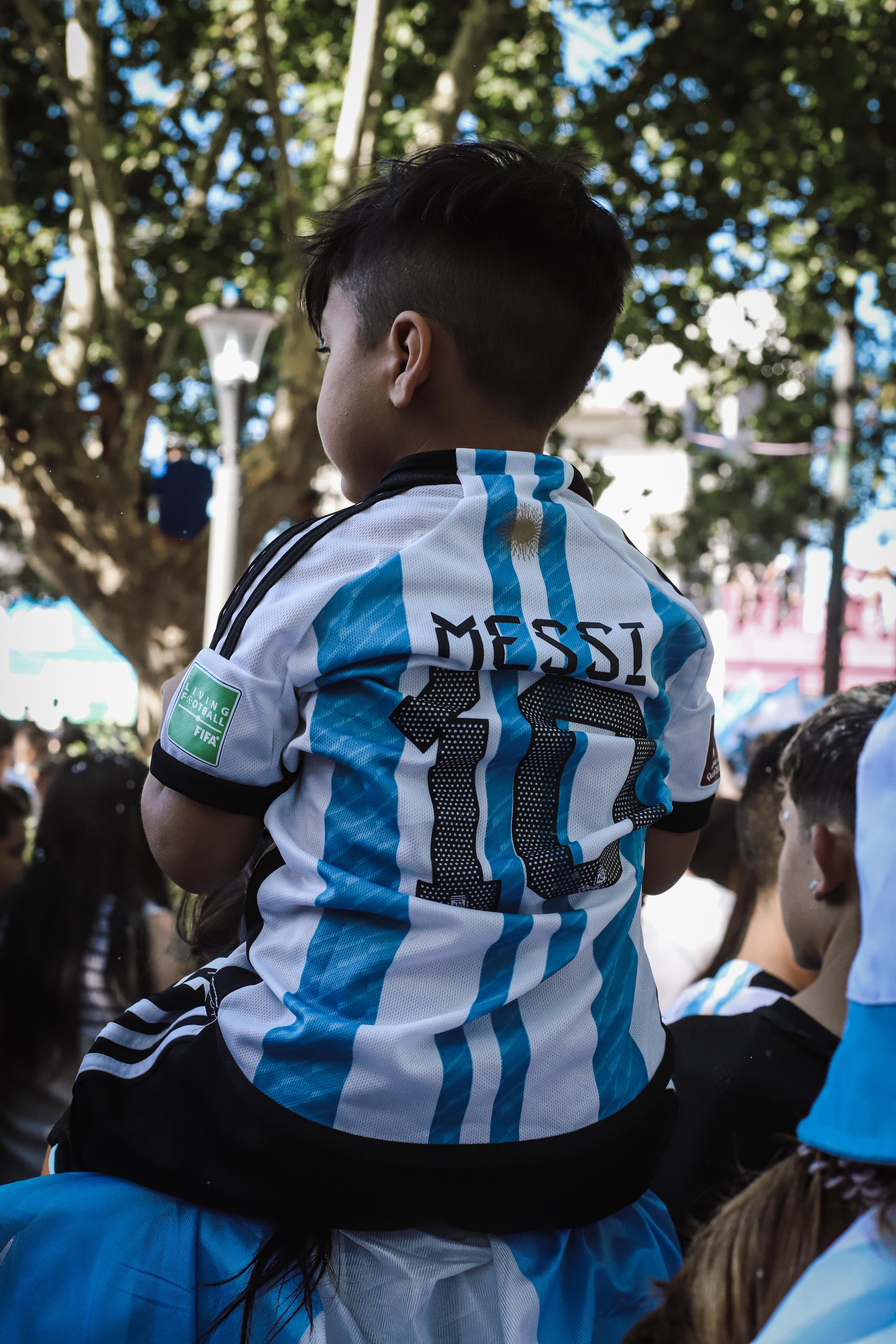
What is Lionel Messi’s Unique Strategy?
At its core, Lionel Messi's unique strategy isn't about running more than anyone else; it's about running *smarter*. It's a fascinating blend of profound tactical intelligence, an unparalleled understanding of space and time, and an almost superhuman ability to execute under pressure. Think of it less like a sprinter constantly accelerating and more like a chess grandmaster, meticulously planning several moves ahead while his opponent is still reacting to the last one. His strategy can be broken down into a few interconnected components that, when combined, create a truly inimitable force.
The Art of Calculated Inactivity: More Than Just Walking
When we say Messi 'walks' for a significant portion of the game, it's crucial not to mistake this for idleness or a lack of effort. On the contrary, this seemingly casual stroll is a critical phase of his game. During these periods, Messi isn't just catching his breath; he's engaged in an intense, high-level process of observation and data collection. His eyes, sharper than any drone camera, are constantly scanning the pitch. He's taking mental snapshots of every player's position, every defensive line, every potential passing lane, and every subtle shift in momentum. He's like a computer processing an enormous amount of information in real-time, building a comprehensive, dynamic map of the game in his mind. This 'calculated inactivity' is a deliberate energy-conservation tactic, allowing him to save his explosive bursts for when they will have the most devastating impact, rather than wasting precious energy on inconsequential runs.
The 'Inside-Right Pocket': A Home Base for Destruction
While Messi roams, observes, and occasionally drifts, there’s a particular area on the pitch that he gravitates towards, a zone that has become synonymous with his most dangerous interventions: the 'inside-right pocket.' This isn't just any random spot; it’s a strategically vital piece of real estate located roughly between the opposing team’s central midfielder and their left-back, usually just outside the penalty area on the right side of the attack. For a left-footed player like Messi, this position is gold. From here, he can receive the ball facing the goal, allowing him to immediately look for a dribble, a shot on his dominant foot, or a killer pass into the box. It offers him multiple options and angles, making him incredibly difficult to mark. Defenders are caught in a dilemma: follow him and open up space elsewhere, or stay put and risk him receiving the ball in a prime attacking position. It's a tactical conundrum he exploits repeatedly, turning this seemingly innocuous patch of grass into a launching pad for goal-scoring opportunities.
The Synchronized Burst: From Observation to Explosion
The true genius of Messi's strategy lies in the seamless transition from his observational walking phase to his explosive, match-winning actions. Once he's processed the information, identified a weakness, or spotted an opening, he switches gears in an instant. This isn't a gradual acceleration; it's an immediate, high-intensity burst of speed, agility, and world-class dribbling. He leverages the energy conserved during his walking phase to execute these sudden, unpredictable movements that defenders simply cannot react to in time. It's like a coiled spring, held in tension, then released with incredible force. This synchronization of mental processing and physical execution is what makes his strategy so devastatingly effective and so incredibly difficult for opponents to counteract.
Why is it Important?
Messi's unique strategic approach is not just a personal quirk; it's a profound statement on modern football, offering benefits that ripple through his individual performance, the dynamics of his team, and even the evolution of the sport itself. Understanding why this strategy is so important helps us grasp the full scope of his genius and the impact he's had.
For Messi: Longevity, Efficiency, and Optimal Performance
Firstly, and perhaps most obviously, this calculated strategy is a major contributor to Messi's incredible longevity at the elite level. Football is an intensely physical sport, and players often burn out or decline significantly in their late twenties and early thirties. By minimizing unnecessary running and maximizing energy conservation, Messi has effectively extended his peak performance years well into his mid-thirties. He’s not expending himself chasing lost causes or making token runs; every burst of speed is purposeful, every movement economically executed. This efficiency means he's fresher, more alert, and less prone to fatigue-related errors during critical moments of a match. Imagine trying to make a perfectly weighted pass or a clinical finish when your lungs are burning and your legs are heavy; Messi largely avoids this by managing his physical output. It allows him to be the decisive factor even in the 90th minute, a trait that sets him apart from many other legends whose influence waned with age.
For the Team: Tactical Flexibility and Space Creation
Beyond his individual benefits, Messi's strategy has a transformative effect on his team's tactical setup. His ability to drift and then suddenly explode from the 'inside-right pocket' creates immense tactical flexibility for his coaches. They can structure the team around his unique movements, knowing that he will find pockets of space and exploit defensive weaknesses. More crucially, Messi's presence, even when 'walking,' has an almost gravitational pull on defenders. Opposing players are acutely aware of his threat, and they often dedicate multiple players to track his movement or cover the space he occupies. This defensive focus on Messi, regardless of whether he has the ball or not, creates vital space for his teammates. When two or three defenders are preoccupied with shadowing Messi, it inevitably opens up channels for full-backs to overlap, midfielders to run into the box, or other forwards to find themselves in advantageous one-on-one situations. He becomes a tactical decoy, a distraction that allows others to thrive, even as he prepares for his own decisive strike. This intelligent space creation is a hallmark of truly elite offensive players, and Messi elevates it to an art form, making his teammates better simply by being on the pitch.
For the Sport: Redefining Attacking Roles
Finally, Messi's strategy has had a lasting impact on how we perceive and analyze attacking players in football. Traditionally, top forwards were expected to be ceaseless runners, pressing defenders, and constantly looking for diagonal runs. Messi, however, has demonstrated that impact isn't solely measured by distance covered or sprints made. He has shown that intelligent positioning, acute awareness, and perfectly timed explosive actions can be far more valuable than relentless, undirected running. He has, in essence, challenged the conventional metrics of player performance, forcing analysts and coaches to look beyond raw physical output and appreciate the cognitive and strategic elements of the game. He's redefined what a 'number 10' or a 'right winger' can be, showcasing that a player can be both a creative orchestrator and a devastating finisher from seemingly static positions. This influence can be seen in younger players who, rather than just running everywhere, are now encouraged to think about their movement with greater purpose and economy, recognizing that the brain is just as important a muscle as the legs in football.
Step-by-Step Guide / Process / How-To: Unpacking the Genius of Messi's Play
To truly appreciate the strategic depth of Lionel Messi's game, let's break down his unique process into distinct, yet interconnected, phases. It’s a dance of observation, positioning, and explosive action, all meticulously coordinated to devastating effect.
Step One: The Deep Scan – Observation & Data Collection (The Walk)This is where the magic begins, even when it looks like nothing is happening. While many players might be jogging or making rudimentary runs, Messi is performing a high-definition mental scan of the entire pitch. He's not passively watching; he's actively processing. Think of it like a highly sophisticated radar system. His head is often up, constantly swiveling, taking in the positions of all 21 other players on the field. He's noting the distances between defenders, the gaps in the midfield, where his teammates are positioned, and the angles of the opposing full-backs and center-backs. He's asking himself questions: 'Where is the space?', 'Who is exposed?', 'Which defender is out of position?', 'What's the quickest route to goal if I get the ball now?'. This phase is about understanding the ever-evolving geometry of the game, mapping out potential attack vectors, and identifying defensive vulnerabilities before they even fully manifest. He’s essentially gathering all the necessary data points, without touching the ball, to make an informed decision when his moment arrives. This is why the 'walking' is not a lack of effort, but rather a profound intellectual exercise – a pre-computation of possibilities.
Step Two: The Gravitational Pull – Positional Play (The Inside-Right Pocket)Having gathered his intel, Messi often drifts towards his preferred 'inside-right pocket.' This area is strategically chosen for a reason. For a left-footed player, receiving the ball here provides several immediate advantages. He can turn onto his stronger foot, either to drive directly towards goal, or to curve a pass into the path of a teammate. The angles for shooting, crossing, and through-balls are maximized. But it’s not just about what he *can* do with the ball; it’s about what his presence *forces* defenders to do. His mere occupation of this space creates a tactical dilemma for the opposition. Does the left-back push up to mark him tightly, leaving space in behind? Does a central midfielder come across, leaving the center exposed? Or do the center-backs stay deep, giving him space to operate? Often, multiple players are drawn towards him, even without the ball, such is his reputation. This 'gravitational pull' effect opens up crucial channels and passing lanes for his teammates, allowing them to exploit the space that Messi has indirectly created. He becomes a tactical pivot, influencing defensive structures simply by existing in a dangerous zone.
Step Three: The Ignition – The Transition from Walk to World-Class (The Burst)This is the moment of truth, the exhilarating switch from thoughtful observation to explosive execution. Once Messi identifies a weakness in the defensive structure, or a teammate finds him in space, he ignites. The energy he conserved during his walking phase is unleashed in a sudden, breathtaking burst of speed and agility. This isn’t a slow build-up; it’s an immediate, electrifying acceleration that often leaves defenders flat-footed and reacting a fraction of a second too late. His first touch is almost always impeccable, bringing the ball under his spell instantly, allowing him to maintain his momentum. His dribbling, known for its low center of gravity and incredible close control, becomes a blur of feints and changes of direction. This phase is about exploiting the precise window of opportunity he spotted during his 'walking' scan. He’s no longer just a tactical presence; he's a direct threat, driving forward with an intensity that seems to come out of nowhere.
Step Four: Creating Chaos – Drawing & Dismantling DefensesAs Messi embarks on his explosive run, whether it's a dribble or a perfectly timed surge to receive a pass, he invariably draws multiple defenders towards him. This is where his genius truly shines as a team player. By committing two, three, or even four opposition players to stop him, he deliberately creates chaos in their defensive organization. This isn't just about beating one man; it's about disrupting the entire defensive shape. As defenders converge on him, their positions are vacated, their lines are broken, and new, exploitable spaces emerge. Messi, with his unparalleled vision, is already aware of these newly opened lanes. He’s not just looking for his own shot; he’s looking for the *best* option, which often means an exquisitely timed pass to a teammate who is now in a much better position due to the attention Messi has commanded. This phase highlights his selflessness and his tactical intelligence, understanding that his role is often to create opportunities for the team, even if he doesn’t take the shot himself.
Step Five: The Decisive Blow – The Finish or the AssistanceThe culmination of Messi's strategic process is almost always a decisive action. If he has created enough space for himself, or if the opportunity is ripe, he will unleash one of his trademark clinical finishes – a curling shot into the top corner, a powerful drive, or a delicate chip over the goalkeeper. His accuracy and composure in front of goal are legendary. However, just as frequently, his decisive blow comes in the form of an assist. Having drawn defenders and created space, he delivers a perfectly weighted, defense-splitting pass that unlocks the opponent's goal. These passes are often delivered with uncanny precision, threading the needle through a mass of defenders to find a teammate in a prime scoring position. Whether it’s a goal or an assist, this final phase is about maximizing the impact of his earlier observations and movements, turning potential into tangible results for his team. This entire sequence, from the quiet walk to the explosive finish, happens in a dizzying ballet of intellect and athleticism, making him truly incomparable.
Comparison Table: Messi vs. Traditional Forwards
To further understand Messi's unique strategic genius, let's briefly compare his approach to that of a more 'traditional' top-tier forward or attacking midfielder. This isn't about superiority, but rather highlighting the stark differences in their methods and impact.
Common Mistakes / Misconceptions About Messi’s Strategy
Despite his undeniable success, Messi's unique strategy often leads to misunderstandings and common misconceptions, particularly for those accustomed to more traditional footballing archetypes. Let's clear up some of these.
- Mistake 1: Interpreting Walking as Laziness or Lack of Effort: This is perhaps the most prevalent and unfair criticism leveled against Messi. When people see him strolling for significant portions of a game, they often jump to the conclusion that he's not trying hard enough or is being lazy. This couldn't be further from the truth. As we've explored, his walking is a highly active, intellectual process. It's akin to a sniper waiting patiently for the perfect shot, rather than spraying bullets indiscriminately. The energy he conserves isn't wasted; it's strategically hoarded for the precise moments when he can inflict maximum damage. It's a testament to his intelligence, not a symptom of indolence. He plays smarter, not necessarily harder in terms of raw physical output, which is a key distinction many miss.
- Mistake 2: Believing His Success is Solely Due to Natural Talent, Not Strategy: While Messi possesses an otherworldly talent with the ball at his feet – his dribbling, shooting, and passing are undoubtedly god-given – to attribute his entire success solely to natural ability is to overlook a massive component of his genius. His strategic movement, his uncanny spatial awareness, and his ability to read the game multiple steps ahead are learned and honed tactical skills. Many naturally gifted players never reach his consistent level of impact because they lack this deeper strategic understanding. His talent provides the tools, but his strategic mind designs the blueprint for how those tools are used most effectively. It's the combination of innate ability and profound tactical intelligence that truly makes him special.
- Mistake 3: Underestimating His Off-Ball Impact Because He Doesn't Press Aggressively: In an era dominated by high-intensity pressing from forwards, Messi's relative lack of aggressive defensive pressing can be seen as a weakness. However, this perspective often fails to account for his *alternative* off-ball impact. As discussed, his presence alone draws defenders and creates space. Moreover, his strategic walking allows him to be in the optimal position to launch a counter-attack as soon as his team wins the ball back. While he might not be the first line of defense, he is often the first line of attack, and his energy is prioritized for that decisive offensive transition. His defensive contribution is tactical and positional, rather than purely physical.
- Mistake 4: Thinking His Strategy is Easily Replicable by Other Players: While elements of Messi's game, such as intelligent movement and energy conservation, can certainly be studied and adopted by others, his overall strategy is not easily replicated. It requires an unparalleled level of footballing IQ, vision, technical mastery, and an explosive burst that few players in history possess. Many players try to 'walk' more, but without Messi's ability to read the game, his first touch, his dribbling prowess, and his finishing, it simply looks like actual laziness. His strategy is deeply intertwined with his unique skillset, making it almost impossible for anyone else to execute with the same level of effectiveness.
- Mistake 5: Focusing Only on His Goals and Assists, Not the Pre-Assist or Space Creation: For many fans, a player's contribution is primarily measured by goals and assists. While Messi racks up incredible numbers in both categories, his deeper impact often comes from the 'pre-assist' – the pass before the assist – or simply the space he creates through his intelligent movement. These moments don't always appear on a stat sheet, but they are crucial for breaking down defenses and setting up scoring opportunities for others. His strategic walking and positioning are often the catalysts for these uncredited, yet vital, contributions to team success.
Benefits of Lionel Messi’s Strategy
Beyond the simple fact that it works, Messi's unique strategic approach offers a multitude of benefits that explain his dominance and enduring legacy in the sport. It's a blueprint for efficiency, impact, and sustained excellence.
- Benefit 1: Unpredictability for Opponents: One of the greatest advantages of Messi's 'calculated inactivity' is the sheer unpredictability it creates for opposing defenses. When a player is constantly running, defenders can anticipate their movements to a certain extent. But with Messi, his sudden transition from a seemingly passive stroll to an explosive, game-changing burst is incredibly difficult to track. Defenders are left guessing: Is he about to explode? Is he just observing? This constant uncertainty forces opponents to dedicate more mental energy and resources to him, often leading to defensive errors and miscommunications. They can't just 'mark' him; they have to constantly monitor him, making their own play less fluid. This unpredictability keeps defenses perpetually on edge, giving Messi a crucial psychological advantage.
- Benefit 2: Maximized Impact with Minimal Physical Exertion: This is the ultimate efficiency hack in football. Messi demonstrates that you don't need to run the most kilometers to be the most effective player on the pitch. By conserving energy for only the most crucial moments, he maximizes the impact of every single burst of speed, every dribble, every pass. His movements are purposeful, direct, and lethal. This means that when he does decide to engage at full throttle, he's able to execute with a higher degree of precision, power, and sustained effort than a player who has been running relentlessly for 70 minutes. It's about quality over quantity of physical output, leading to a much higher return on his energy investment.
- Benefit 3: Enhanced Decision-Making and Vision: The 'walking' phase is essentially an extended period of high-level reconnaissance. By not being caught up in constant physical exertion, Messi's mind is clearer, allowing him to process information more effectively. He gets a better overall picture of the pitch, identifies patterns, and anticipates plays before they happen. This calm observation translates into incredibly astute decision-making when he finally receives the ball. He seems to have an extra second on the ball, not because he's faster, but because he's already decided what to do with it before it even reaches his feet. His passes are more incisive, his dribbles more purposeful, and his shots more accurate because they are based on a more complete understanding of the unfolding situation. It’s football played like a mental simulation before physical execution.
- Benefit 4: Tactical Flexibility and Adaptability for the Team: Messi's strategy grants his coaches immense tactical freedom. They don't need to fit him into a rigid system that demands constant high-intensity running from him. Instead, they can build formations and game plans that leverage his ability to drift, observe, and then exploit space. Whether playing as a false nine, a right winger, or an attacking midfielder, his core strategy remains adaptable. This allows the team to shift formations or tactics mid-game without diminishing his effectiveness. His gravitational pull on defenders also means coaches can design plays to exploit the space he creates for other forwards or overlapping full-backs. It's a strategy that caters to the collective, even as it highlights his individual brilliance. For those looking to understand the intricate dance of team strategy and individual brilliance, observing Messi is a masterclass. And if you're keen to predict the outcomes of these tactical battles, you might want to Place your bets on Bantubet Kenya.
- Benefit 5: Significant Contribution to Career Longevity: As mentioned earlier, this strategic approach is a key factor in Messi's ability to maintain peak performance deep into his career. By avoiding unnecessary wear and tear on his body, he has minimized injuries and preserved his explosive speed and agility. This allows him to continue competing and excelling at the highest level years beyond when many of his contemporaries have begun to decline. His strategy is not just about winning games now, but about ensuring he can keep winning them for a very long time, cementing his place as one of the most durable and consistent performers in football history.
FAQs
1. Does Messi really walk 64% of the game, and is that normal for a top player?
Yes, FIFA tracking data from major tournaments like the World Cup has indeed shown that Lionel Messi spends approximately 64% of his time walking (at 'zone one' pace, 0-7km/h). While it might seem abnormal for a top player who is often expected to be constantly in motion, for Messi, it's a deliberate and highly effective strategy. It's his way of conserving energy, observing the game, and preparing for his explosive, decisive moments, making it a unique aspect of his genius rather than a sign of low effort.
2. How does Messi’s “walking” strategy impact his teammates’ roles?
Messi's strategic walking profoundly impacts his teammates. His presence, even when seemingly inactive, creates a 'gravitational pull' on defenders, drawing multiple opponents towards him and creating vital space for others. This allows full-backs to overlap more freely, midfielders to make runs into the box, and other forwards to find themselves in advantageous positions. His teammates understand that while he might not press high, he will be in the optimal position to receive the ball and launch a devastating attack, fostering a system built around his unique flow and impact.
3. Is this strategy unique to Messi, or can other players adopt it successfully?
While elements of intelligent movement and energy conservation can be learned by other players, Messi's complete strategy is highly unique and difficult to replicate. It requires an unparalleled combination of footballing IQ, exceptional vision, world-class technical skills (dribbling, passing, shooting), and explosive physical bursts. Many players try to be more economical with their movement, but without Messi's innate abilities and tactical understanding, they often simply appear disengaged or ineffective. His strategy is tailored to his extraordinary individual talents.
4. Does Messi's age play a role in his reliance on this strategy?
Absolutely. While Messi has employed elements of this strategy throughout his career, it has become even more pronounced and refined as he has aged. As players get older, their raw physical capacity for relentless running naturally diminishes. By consciously conserving energy and prioritizing strategic bursts, Messi has been able to adapt his game to maintain peak performance well into his mid-thirties, extending his career longevity and effectiveness. It's a brilliant example of intelligent athletic adaptation.
5. How do defenses try to counter Messi's 'inside-right pocket' threat?
Defenses try various methods to counter Messi's threat from his 'inside-right pocket,' but often with limited success. Common tactics include assigning a dedicated man-marker to follow him closely, regardless of his position; deploying a defensive midfielder to screen the area he typically occupies; or having the left-back and a central defender double-team him when he receives the ball. Some teams even try to deny him the ball entirely by cutting off passing lanes. However, Messi's ability to drift, combine with teammates, and unleash sudden bursts often finds ways to bypass even the most meticulously planned defensive schemes.
Conclusion
In a sport that often celebrates raw athleticism and non-stop running, Lionel Messi has carved out a legacy built on a foundation of profound strategic intelligence and unparalleled efficiency. His unique approach, centered around calculated 'walking' and the exploitation of his dreaded 'inside-right pocket,' isn't just a style of play; it's a masterclass in tactical innovation. We've seen how his seemingly passive movements are, in fact, intense periods of observation and data collection, allowing him to save his explosive bursts for when they will have the most devastating impact. He doesn't just play the game; he analyzes it, predicts it, and then dictates its outcome with a precision that defies belief. This strategic genius has not only prolonged his illustrious career but has also redefined what it means to be a truly impactful player, challenging conventional wisdom and inspiring a generation to look beyond surface-level metrics. His ability to turn moments of apparent inactivity into gateways for goal-scoring opportunities is a testament to a mind that sees the game in a way few others ever have. As you continue to watch the beautiful game unfold, take a moment to observe the subtle nuances of tactical brilliance. And if you're feeling inspired by Messi's genius to make some calculated predictions of your own, why not explore the possibilities? Place your bets on Bantubet Kenya and see if you can channel a bit of that strategic insight into your game day experience!











Post a Comment
0 Comments