
What Truly Defines Iraola's Liverpool Success Journey?
TL;DR (Quick Answer)
Andoni Iraola’s potential success at Liverpool transcends immediate trophies, hinging instead on establishing a clear, high-intensity identity and fostering sustained progress. His tactical acumen promises an exciting evolution, prioritizing dynamic play and long-term club development.
Introduction
The football world is a whirlwind of speculation, particularly when it comes to a club as storied and passionate as Liverpool FC. With a new chapter on the horizon, the whispers around potential managerial candidates have grown into a roaring debate. Among the names making waves, Andoni Iraola stands out not just for his tactical prowess, but for a philosophy that could redefine success at Anfield. This isn't just about winning the next shiny piece of silverware; it's about building a lasting legacy, forging a distinct identity, and charting a path of relentless progress that goes far beyond the trophy cabinet. We’re going to dive deep into what makes Iraola’s approach so compelling, exploring how his vision could perfectly align with Liverpool's ambitions, and why his potential impact extends beyond the traditional metrics of success. Get ready to discover the buzz behind his strategy and its potential future impact on one of football’s most beloved institutions.
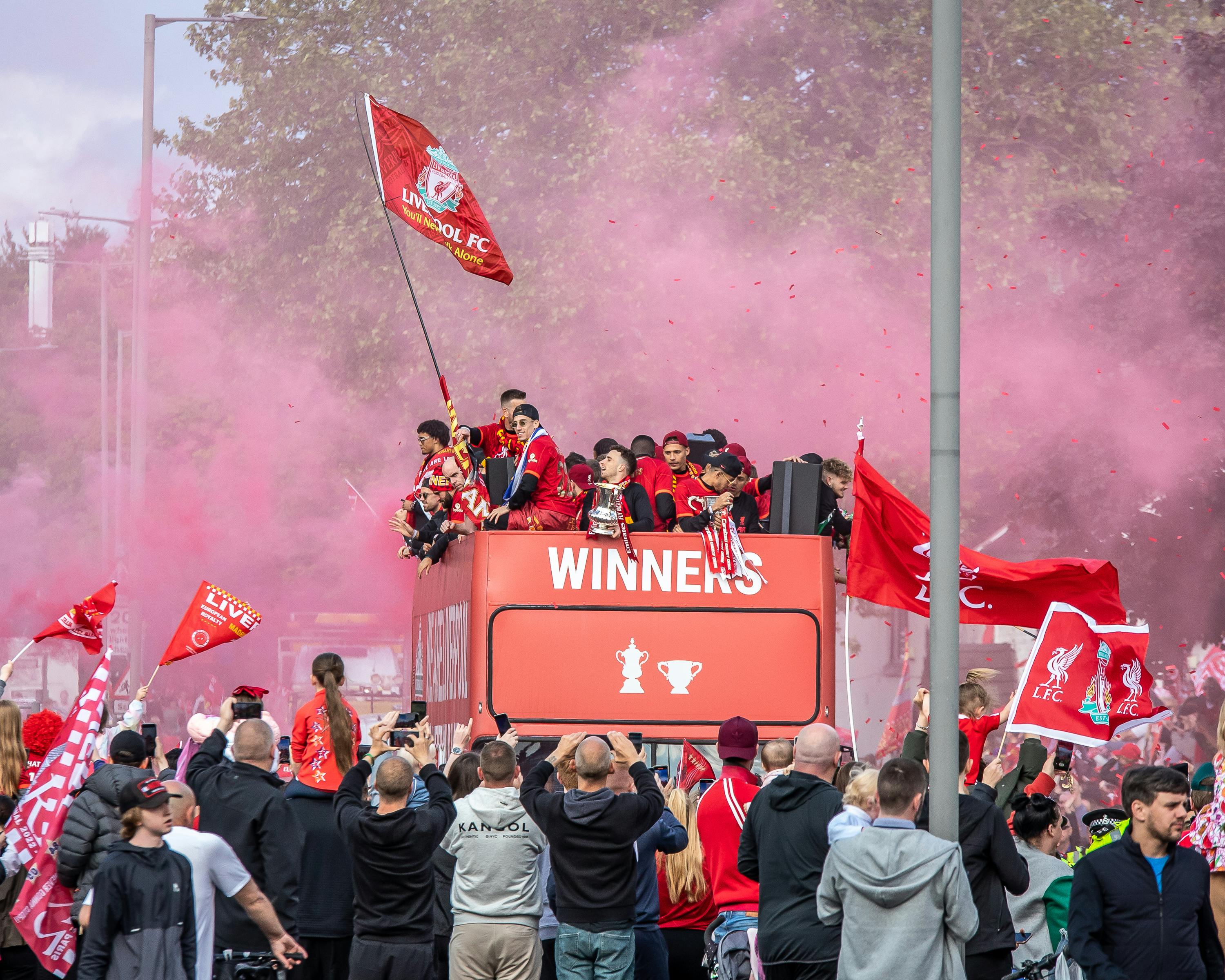
What is Andoni Iraola's Coaching Philosophy?
Imagine a football match where every player is a live wire, constantly moving, pressing, and seeking to dominate every inch of the pitch. That, in essence, is the heartbeat of Andoni Iraola's coaching philosophy. It's a style built on relentless energy, tactical bravery, and a clear, unwavering identity. Forget passive possession or sitting back; Iraola's teams are proactive, aggressive, and always looking to dictate the tempo. This isn't just about 'running a lot'; it's about intelligent running, strategic pressing, and vertical attacking play that aims to get the ball into dangerous areas as quickly and efficiently as possible.
At its core, Iraola's philosophy revolves around several key pillars. Firstly, there's the high-intensity pressing. His teams are designed to hunt the ball in packs, stifling opponents and forcing turnovers high up the pitch. This isn't a random chase; it's a meticulously coordinated effort, often triggered by specific cues, to win the ball back quickly and launch immediate attacks. Think of it like a well-oiled machine, where every player knows their role in suffocating the opposition’s build-up. This not only disrupts the opponent but also conserves energy in the long run by preventing them from settling into their rhythm.
Secondly, Iraola champions vertical attacking play. While possession is important, it's not possession for possession's sake. The goal is always to progress the ball forward, to penetrate the opposition's lines, and to create goal-scoring opportunities. This often means moving the ball quickly through the thirds, bypassing midfield battles with incisive passes, or even utilizing well-placed long balls to exploit space behind high defensive lines. It's about directness, purpose, and constantly asking questions of the opponent's backline. The aim is to get the ball into the final third – the danger zone – as rapidly and effectively as possible. This approach means fewer sterile passes and more purposeful, penetrating movements.
Then there's the concept of brave positional structures. This is where Iraola truly distinguishes himself. His teams aren't afraid to take risks, to push full-backs high up the pitch to act almost like wingers, creating numerical advantages in wide areas. This aggressive positioning stretches the opposition, creating crucial pockets of space centrally or on the opposite flank. Of course, such bravery requires intricate defensive cover. When full-backs surge forward, midfielders might drop into the defensive line, or center-backs might spread out to cover the wider channels. It's a fluid system, constantly adapting to the situation, where players are expected to be versatile and understand their responsibilities both in and out of possession. This dynamism ensures that the team remains defensively solid even when committing numbers forward, creating a fascinating push-and-pull on the field.
Iraola also values territorial domination. His teams aren't content to simply defend deep; they want to control the game in the opponent’s half. This isn't just about keeping the ball, but about establishing a presence, pinning the opposition back, and constantly applying pressure. This mental fortitude, coupled with tactical discipline, makes his teams incredibly difficult to play against. They make the pitch feel smaller for the opposition, forcing them into errors and limiting their options. It’s a suffocating style designed to wear down opponents both physically and mentally. This constant pressure leads to a higher probability of winning the ball in advantageous positions, allowing for quick transitions and goal-scoring opportunities.
Finally, a critical component of his philosophy is player adaptability and collective intelligence. Iraola demands a lot from his players, but he also empowers them. They need to understand the overarching tactical plan, but also be able to make quick, intelligent decisions on the fly. This requires a high football IQ and a willingness to learn and adapt. He cultivates an environment where players are constantly challenged to improve their understanding of the game and their roles within the collective system. This leads to a highly cohesive unit where players anticipate each other's movements and react instinctively, making the team greater than the sum of its parts. It’s about creating a unified vision where every player is a key contributor to the overall strategy, not just an individual talent.
In short, Iraola’s coaching philosophy is a demanding yet exhilarating blend of intensity, directness, tactical sophistication, and a fierce desire to dominate. It’s a modern, proactive approach that excites fans and challenges opponents, focusing on creating a clear, recognizable identity on the pitch. It's a footballing philosophy designed for the modern game, where speed, precision, and relentless effort are paramount.
Why is Andoni Iraola's Approach Important for Liverpool?
In the wake of a truly transformative era under Jürgen Klopp, Liverpool finds itself at a pivotal crossroads. The departure of such an iconic figure leaves not just a managerial vacancy, but a philosophical void that needs to be filled with care and foresight. This is precisely where Andoni Iraola’s approach becomes not just interesting, but potentially crucial for the Reds’ future. His emphasis on clear identity and progress beyond trophies offers a roadmap for sustained success in a post-Klopp landscape.
Firstly, the importance lies in maintaining a distinct club identity. Jürgen Klopp didn't just win trophies; he instilled a philosophy, a 'Gegenpressing' identity that resonated deeply with the fans and defined Liverpool on the global stage. Losing that identity would be a far greater blow than any single result. Iraola, with his own well-defined, high-intensity, and attacking philosophy, presents a manager capable of forging a new, yet equally compelling, identity. His teams play with aggression, speed, and a forward-thinking mindset that aligns with Liverpool’s historical DNA. This continuity in style – even with different tactical nuances – is vital for keeping the fanbase engaged and the players motivated. It's about evolving, not abandoning, what made Liverpool great.
Secondly, Iraola’s focus on progress beyond trophies is paramount in an era of unprecedented competition. While every club strives for silverware, true long-term success is built on continuous improvement, developing players, refining tactics, and adapting to the ever-changing landscape of modern football. Iraola’s track record, particularly with Rayo Vallecano and Bournemouth, showcases his ability to extract maximum performance from his squads, elevate individual players, and implement a coherent system even with limited resources. For Liverpool, this means nurturing young talent, optimizing existing stars, and ensuring the team is always moving forward, irrespective of immediate results. It’s about building a robust foundation that can withstand the inevitable ups and downs of a football season, focusing on sustainable growth.
Consider the psychological aspect. A new manager following a legend faces immense pressure. If the sole metric is trophies from day one, it sets an unrealistic expectation. Iraola's emphasis on process, on implementing his style, and on visible progress offers a more sustainable pathway. It gives the team, the staff, and the fans something tangible to believe in and follow, even if results fluctuate initially. This allows for a period of adjustment, fostering patience and understanding as the team transitions to a new era. It’s about buying into a vision, not just chasing instant gratification.
Moreover, his tactical principles, particularly high-intensity pressing and vertical attacking, resonate with the physical demands and attacking flair Liverpool fans have become accustomed to. While the specific execution might differ from Klopp’s 'heavy metal football', the underlying principles of intensity, directness, and relentless pursuit of goals remain consistent. This provides a natural evolution rather than a drastic revolution, making the transition smoother for the players and easier for the fans to embrace. It’s about finding a manager whose core beliefs align with the club's ethos, ensuring a philosophical fit.
Finally, in an increasingly data-driven and analytically sophisticated sport, Iraola’s detailed approach to positional structures and strategic domination offers Liverpool a modern edge. He doesn't rely on brute force; he relies on intelligent design, player understanding, and adaptability. This kind of systematic thinking is vital for competing at the very top, where marginal gains can make all the difference. It ensures that Liverpool isn't just reacting to opponents but is actively imposing its will on games, a hallmark of truly elite teams. His commitment to constant analysis and tactical refinement means the team will always be evolving, seeking new ways to gain an advantage. This intellectual rigor is a priceless asset in the cutthroat world of top-tier football.
In essence, Iraola’s philosophy is important for Liverpool because it offers a credible, exciting, and sustainable path forward. It's about maintaining identity, fostering continuous progress, and embracing a modern, proactive style of football that can keep Liverpool at the pinnacle of the game for years to come. It’s a pragmatic yet ambitious vision that acknowledges the past while boldly stepping into the future, ensuring the club thrives in its next great chapter.
Andoni Iraola's Potential Implementation at Liverpool: A Step-by-Step Guide
Bringing a new manager and a distinct philosophy to a club like Liverpool is a complex process. It's not an overnight transformation but a carefully orchestrated evolution. Here’s a hypothetical step-by-step guide on how Andoni Iraola might implement his vision at Anfield, blending his tactical genius with the existing infrastructure and talent pool.
- Step One – Establishing the Core Principles and Culture (Pre-Season Focus)
The first and most critical step for Iraola would be to clearly articulate his core principles to the squad. This isn't just about drawing formations on a whiteboard; it's about instilling a culture of relentless effort, tactical bravery, and collective responsibility. Pre-season would be intense, focusing heavily on fitness to meet the demands of his high-intensity pressing system. Players would undergo rigorous sessions designed to improve their endurance, agility, and decision-making under pressure. Iraola would hold numerous team meetings, individually and collectively, to explain the 'why' behind his methods. Why do we press this way? Why do we take these risks with positional structures? He'd emphasize that every player, from the goalkeeper to the striker, has a crucial role in both attack and defense. Training drills would be small-sided games with specific pressing triggers, possession drills with vertical progression objectives, and defensive shape work focusing on quick transitions. He would need to build trust and ensure every player buys into the new philosophy. This initial phase would be about laying the psychological and physical groundwork for the entire season. - Step Two – Tactical Integration: Pressing and Positional Structures (Early Season Adjustments)
Once the physical and cultural foundation is laid, Iraola would begin integrating his specific tactical frameworks. Initially, this would likely focus on the high-intensity pressing system. Players would learn specific pressing cues – when to engage, who presses whom, and how to cut off passing lanes. The focus would be on coordinated pressure, forcing opponents into predictable areas or mistakes. Simultaneously, the brave positional structures would be introduced. Full-backs like Trent Alexander-Arnold and Andy Robertson, already accustomed to getting forward, would be encouraged to push even higher, almost as auxiliary wingers. Midfielders, like Alexis Mac Allister or Dominik Szoboszlai, would be tasked with providing cover, dropping into defensive spaces when full-backs commit. This requires immense communication and understanding between players. Iraola would use video analysis extensively, showing examples from his previous teams and demonstrating how Liverpool's current players can adapt. Early matches might see some teething problems as players adjust to new roles and responsibilities, but the intention would be clear: dominate territorially and win the ball back high up the pitch. This phase is about translating theoretical concepts into practical on-field execution, refining movements, and building muscle memory within the new system. - Step Three – Refining Verticality and Attacking Principles (Mid-Season Evolution)
As the season progresses and the team becomes more comfortable with the defensive and transitional aspects, Iraola would place a greater emphasis on refining the vertical attacking play. This involves coaching players to make quicker decisions in possession, to look for forward passes that break lines, and to exploit space behind the opposition’s defense. Strikers and wingers would be drilled on their movement, making runs that stretch defenses and create options for through balls or crosses. The wingers, potentially Luis Díaz or Mohamed Salah, would be given more freedom to cut inside or stay wide, depending on the defensive structure of the opponent, always with the aim of penetrating the final third. Iraola might introduce specific set-piece routines designed for directness and creating quick goal-scoring opportunities. He'd also work on intelligent use of long balls – not aimless hoofs, but precise passes to release fast attackers or target men, bypassing a congested midfield. This stage is about adding attacking layers, ensuring the team is not only defensively robust but also consistently creating high-quality scoring chances. It’s about turning territorial domination into tangible goal threats. - Step Four – Data-Driven Adaptation and Player Development (Continuous Improvement)
Iraola is known for his analytical approach. Throughout the season, he would continuously monitor performance data – pressing metrics, possession progression, territorial control, individual player output. This data would inform training adjustments, tactical tweaks, and individual player development plans. For instance, if data shows the team is struggling to win second balls in midfield, specific drills would be designed to address this. If a particular player is not meeting the physical demands, a tailored fitness program would be implemented. He would also focus heavily on individual player growth, offering personalized feedback and tactical guidance. Younger players, like Harvey Elliott or Stefan Bajčetić, would receive specific coaching to integrate them seamlessly into the system. This continuous feedback loop ensures that the team is always learning, adapting, and improving, fostering an environment of perpetual development. This stage emphasizes that Iraola’s philosophy is dynamic, not static, constantly evolving based on performance and opposition analysis. It's about optimizing every aspect of the team’s performance. - Step Five – Building Depth and Squad Versatility (Long-Term Vision)
Finally, with a clear identity established and the core tactical principles embedded, Iraola would focus on building squad depth and versatility, often in conjunction with the club’s sporting director. This means recruiting players who not only fit the system but can also offer different attributes or cover multiple positions. For example, a defensive midfielder who can also drop into a back three, or a forward who can play across the front line. This ensures that the team can adapt to injuries, fixture congestion, and different opponent strategies without compromising its core identity. It also fosters healthy competition within the squad, pushing every player to perform at their best. This long-term vision is crucial for sustained success, allowing Liverpool to remain competitive across multiple competitions and for many seasons to come. It ensures the team is resilient and adaptable, ready for any challenge the demanding football calendar throws its way.
Common Mistakes / Misconceptions About Iraola's Approach
While Andoni Iraola's coaching philosophy is exciting and modern, there are often misunderstandings or potential pitfalls that can arise when discussing or implementing such a distinct style. Recognizing these common mistakes and misconceptions is crucial for a balanced understanding of his impact.
- Mistake 1: Confusing High Press with Reckless Pressing: Some might mistakenly believe that Iraola's high-intensity pressing means blindly chasing the ball across the pitch, leaving defensive gaps. This couldn't be further from the truth. Iraola’s press is highly coordinated and strategic. Players are given specific triggers – a poor pass, a player turning their back, a specific body orientation – to initiate the press. It’s about cutting off passing lanes, forcing play into predictable areas, and suffocating the opponent, not simply running at them. Reckless pressing leads to fatigue and easy circumvention; Iraola’s method is about intelligent collective action to regain possession quickly and efficiently. It requires immense discipline and understanding of when and how to engage, ensuring that the team remains defensively solid even when pushing high up the pitch.
- Mistake 2: Believing 'Vertical Play' Means Only Long Ball Football: Another misconception is that 'vertical attacking play' equates to bypassing midfield entirely and just lumping the ball forward. While Iraola’s teams are certainly direct and look to progress quickly, this doesn't mean neglecting build-up play or intricate passing. Verticality means minimizing sideways or backward passes that don't advance the attack. It's about purposeful progression. This can involve quick one-touch passing through the lines, incisive dribbles, or indeed, well-placed long balls to exploit space behind a high line. The key is intent and speed of progression, not a simplistic over-reliance on one method. It’s about choosing the most effective route to penetrate the opponent's defense, whether it's a intricate short passing move or a swift, accurate long pass.
- Mistake 3: Underestimating the Physical and Mental Demands: Iraola's system is incredibly demanding, both physically and mentally. Some might overlook the sheer conditioning required for players to sustain high-intensity pressing for 90 minutes, often across multiple competitions. It's not just about running; it's about repeated high-speed efforts, constant concentration, and quick recovery. There's also the mental toll of constantly making tactical decisions under pressure. A common mistake is to assume any fit squad can adapt quickly. In reality, it requires exceptional conditioning, rigorous training, and a deep understanding of tactical nuances. Without adequate physical preparation and mental fortitude, players risk burnout or tactical breakdowns, making a new manager’s start even harder.
- Mistake 4: Expecting Instant Trophies Over Sustainable Progress: This is perhaps the most significant misconception when discussing any manager post-Klopp at Liverpool. Fans and media are often fixated on immediate silverware. However, Iraola’s philosophy, while ambitious, is built on a foundation of long-term identity and continuous improvement. Expecting a trophy haul in his first season without acknowledging the necessary period of transition and adaptation for players would be a mistake. His success should initially be measured by the establishment of a clear playing style, improvements in individual players, and the team's ability to consistently compete at a high level. Trophies are often a byproduct of sustained progress, not the sole indicator of it, especially in a rebuilding phase. It’s about seeing visible signs of evolution and a coherent plan taking shape, rather than just the final score.
- Mistake 5: Overlooking the Importance of Squad Depth and Versatility: Implementing Iraola’s system effectively requires a squad with not only high-quality starters but also robust depth and versatile players. His brave positional structures and high-intensity approach mean players need to be able to cover multiple roles and maintain performance levels even when fatigued or through squad rotation. A common mistake is assuming that a strong starting XI is enough. Without adequate backups who can seamlessly step in and maintain the system's integrity, injuries or fixture congestion can quickly derail the team's progress. The ability to rotate without significant drop-off in quality or tactical understanding is paramount for a system that demands so much from its players.
Understanding these points helps to frame expectations more realistically and appreciate the complexities involved in integrating a new, demanding, yet ultimately rewarding, coaching philosophy like Andoni Iraola's.

Benefits of Andoni Iraola's Approach for Liverpool
The prospect of Andoni Iraola taking the reins at Liverpool brings with it a host of exciting potential benefits that extend beyond the immediate gratification of a single victory. His unique blend of tactical acumen, player development, and philosophical depth could usher in a new era of sustainable success and thrilling football at Anfield.
- Benefit 1: Establishment of a Clear, Exciting Playing Identity: One of the most immediate and significant benefits would be the re-establishment of a clear and exciting playing identity. After the Klopp era, fans will crave a discernible style, something they can rally behind and recognize as 'Liverpool football'. Iraola's high-intensity pressing, vertical attacking play, and brave positional structures offer precisely that. His teams are proactive, aggressive, and entertaining to watch. This identity isn't just for the fans; it provides clarity for the players, aiding recruitment and ensuring a cohesive unit on the pitch. It fosters a sense of purpose and a shared understanding of how the team wants to play, making them a formidable and predictable force to opponents in terms of style, but unpredictable in execution. This recognizable brand of football would ensure that Liverpool remains a captivating team to watch, regardless of the opponent.
- Benefit 2: Enhanced Player Development and Tactical Versatility: Iraola has a proven track record of developing players and improving their tactical understanding. His demanding system encourages versatility, as players often need to cover multiple roles or adapt their positioning based on the game state. This pushes individuals to grow, not just technically but also mentally and tactically. Young talents within Liverpool's squad, like Harvey Elliott, Conor Bradley, or Stefan Bajčetić, would thrive under a coach who focuses on intricate tactical instruction and demands high levels of execution. Existing stars would also find new ways to contribute and refine their game within his framework. This continuous improvement of the squad, both individually and collectively, ensures that Liverpool's assets are constantly appreciating in value and performance. The growth isn't just about scoring goals; it's about developing intelligent, adaptable footballers who can perform at the highest level consistently.
- Benefit 3: Sustained Competitive Edge Through Proactive Football: In modern football, merely reacting to opponents is a recipe for stagnation. Iraola's proactive approach ensures Liverpool would always be looking to impose its will on the game. His emphasis on territorial domination, winning the ball back high, and quick transitions means the team is constantly on the front foot, dictating terms. This sustained competitive edge isn't reliant on individual brilliance alone but on a system that empowers every player to contribute to the team's dominance. It makes Liverpool incredibly difficult to play against, as opponents are constantly under pressure, forced into mistakes, and rarely allowed to settle into their own rhythm. This relentless, forward-thinking style is crucial for competing for top honors year after year, giving them an advantage over teams that are more reactive.
- Benefit 4: Exciting and Goal-Oriented Attacking Football: Fans love goals, and Iraola's system is designed to create them. The vertical attacking play, combined with attacking full-backs and intelligent movement from forwards, ensures a steady stream of goal-scoring opportunities. It's not about sterile possession; it's about purposeful penetration into the final third. The directness and speed of transition can catch opponents off guard, leading to thrilling, fast-paced attacks. This commitment to offensive football ensures that matches are rarely dull, keeping the Anfield faithful on the edge of their seats. The excitement generated by a high-octane, goal-oriented team fosters a strong connection between the club and its supporters, essential for maintaining the unique Anfield atmosphere.
- Benefit 5: A Modern, Adaptable System for the Future: Iraola's philosophy is inherently modern and adaptable. It's not a rigid, one-size-fits-all approach, but rather a flexible framework that can be tweaked based on opposition, player availability, and match circumstances. His use of brave positional structures and tactical fluidity means the team can seamlessly shift between different formations or approaches within a game, making them unpredictable. This adaptability is vital in an era where tactical innovation is constant and opponents are always analyzing weaknesses. It ensures Liverpool can stay ahead of the curve, constantly evolving and refining their approach to maintain their position at the pinnacle of European football. This forward-thinking mindset guarantees that Liverpool will always be at the forefront of tactical development.
- Benefit 6: Building a Resilient, Mentally Strong Squad: The demands of Iraola's system, both physical and mental, naturally forge a resilient squad. Players must be mentally strong to maintain focus and intensity for 90 minutes, to recover quickly from errors, and to execute complex tactical instructions under pressure. This builds a squad with an unwavering will to win and a deep understanding of collective responsibility. Such mental fortitude is invaluable, particularly in tight games or during challenging periods of a season, enabling the team to consistently push through adversity. This mental toughness becomes a hallmark of the team, mirroring the resilience and fighting spirit long associated with Liverpool.
In essence, Iraola offers Liverpool more than just a manager; he offers a vision for a future defined by a clear, exciting identity, continuous growth, and a relentless pursuit of excellence. It's a holistic approach that promises to keep Liverpool at the forefront of football innovation and success for years to come. Remember, for those interested in making every match even more exciting, you can always explore options like 1xBet to add another layer to your football experience.
FAQs
1. How does Iraola's tactical style differ from Jürgen Klopp's 'Gegenpressing'?
While both Iraola and Klopp advocate for high-intensity pressing, Iraola's approach often features more structured positional play and vertical attacking through wide areas. Klopp's Gegenpressing was famously about immediate counter-pressing after losing possession; Iraola's also focuses on pre-planned pressing triggers and brave, high full-back positioning to create overloads and exploit spaces more systematically, aiming for quicker penetration.
2. Can Liverpool's current squad adapt to Iraola's demanding physical and tactical system?
Liverpool's squad, particularly those who thrived under Klopp, already possesses much of the physical and mental fortitude required for a high-intensity system. Key players like Trent Alexander-Arnold and Andy Robertson are perfect for Iraola's attacking full-back roles. Adapting will require intense pre-season conditioning and clear tactical instruction, but the underlying attributes are largely present, making the transition feasible over time.
3. What would 'progress beyond trophies' look like under Iraola at Liverpool?
'Progress beyond trophies' would manifest as a clear, recognizable playing identity, consistent improvement in individual player performance, competitive displays against top teams, and a sustained challenge for major honors. It means seeing the team evolve tactically, demonstrate resilience, and build a strong foundation for future success, even if immediate silverware isn't achieved in the very first season. It’s about the journey and the upward trajectory.
4. How important is squad depth for Iraola's philosophy to succeed at Liverpool?
Squad depth is critically important for Iraola's system. His high-intensity pressing and brave positional structures demand immense physical output and tactical versatility from players. Without a strong bench and capable backups who can seamlessly integrate and maintain the system's integrity, the team would be vulnerable to injuries, fatigue, and fixture congestion. Quality depth ensures consistent performance across multiple competitions.
5. Will Iraola's focus on identity and progress alienate fans who expect immediate silverware?
While some fans might always prioritize immediate trophies, Iraola's focus on a clear, exciting playing identity and tangible progress is likely to resonate with the majority of the Liverpool fanbase. Historically, Liverpool fans appreciate a team that plays with passion, purpose, and a recognizable style. If the team shows clear signs of improvement, plays attractive football, and consistently competes, patience is likely to be afforded as the long-term vision takes shape, especially after a period of significant transition.
Conclusion
The potential arrival of Andoni Iraola at Liverpool represents far more than a simple change in management; it signals a philosophical evolution, a strategic commitment to building a future where success is defined by a clear, thrilling identity and relentless, sustainable progress. We've explored the intricate layers of his high-intensity pressing, vertical attacking play, and brave positional structures, understanding how these elements coalesce to form a demanding yet incredibly exciting brand of football. This isn't just about winning games; it's about forging a legacy, developing players, and ensuring Liverpool remains at the forefront of tactical innovation.
Iraola’s vision offers a compelling answer to the crucial question of how Liverpool navigates its post-Klopp era. By prioritizing a distinct playing style and focusing on continuous improvement over immediate, singular triumphs, he offers a pathway to sustained relevance and competitive excellence. His approach minimizes the risk of a 'trophy drought' by laying down robust foundations that can withstand the ebbs and flows of elite football, ensuring that the club is always moving forward, always evolving.
The benefits are manifold: from fostering an exciting, recognizable identity that fans can passionately embrace, to enhancing player development and tactical versatility, and maintaining a proactive, competitive edge. His system promises a mentally tough and resilient squad, capable of navigating the rigors of modern football. While the journey will undoubtedly present challenges and demand patience, the long-term rewards of such a meticulously planned and passionately executed philosophy could be immense.
For Liverpool, this isn't just about finding a new coach; it's about finding the right steward for its next great chapter. Andoni Iraola's focus on identity and progress beyond trophies offers a compelling, modern, and ultimately optimistic vision for the future. It’s a vision that aligns perfectly with the spirit of a club that prides itself on both its storied past and its unyielding ambition for what lies ahead. Let the new era begin, built on clear principles, relentless progress, and an unwavering commitment to excellence.
Don’t miss out on any of the action as this new chapter unfolds. For those who want to add an extra layer of excitement to every match, consider signing up and exploring the possibilities at 1xBet. Join the excitement and be part of Liverpool's ongoing journey!














Post a Comment
0 Comments