
Discover the Bruno Fernandes Carrick Man Utd Tactics Debate
TL;DR (Quick Answer)
The Man Utd tactics controversy saw captain Bruno Fernandes openly question Michael Carrick's defensive strategy after a 4-1 loss to Como, suggesting a bolder, high-pressing approach was needed. Carrick, in turn, defended his tactics but highlighted a critical lack of player effort and tracking back as the core problem, sparking a significant debate about accountability and team performance.
Introduction: When Tactics and Effort Collide in the Theatre of Dreams
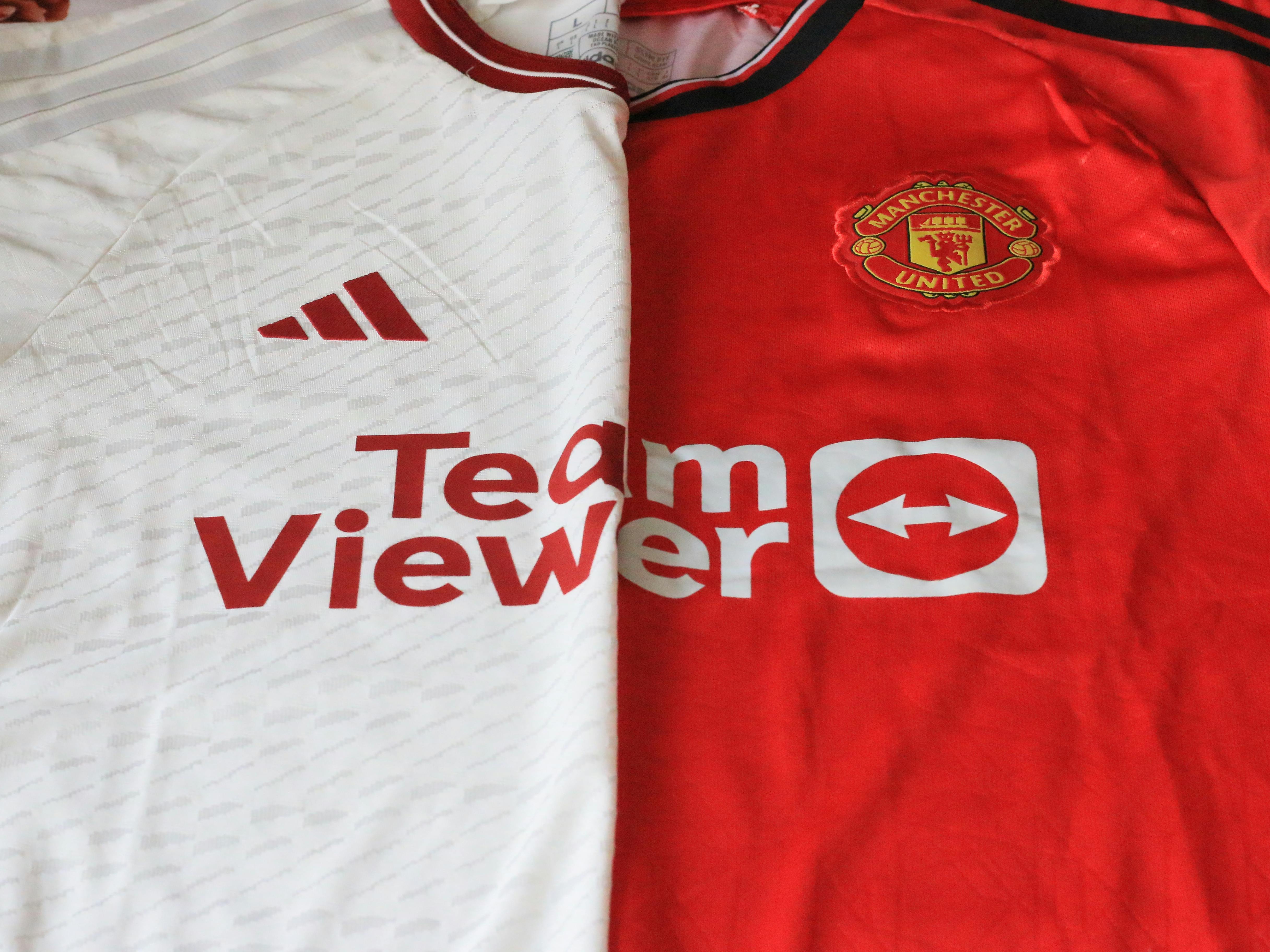
Imagine you're at a crossroads, two paths diverging before you. One path champions a meticulous, well-rehearsed plan, the other stresses sheer grit, determination, and leaving it all on the field. In the world of football, especially at a club as grand and storied as Manchester United, this isn't just a hypothetical scenario; it's often the very heart of post-match analysis, and sometimes, a full-blown controversy.Recently, the iconic red half of Manchester found itself embroiled in just such a debate. The whispers grew louder, then exploded into a trending topic: the **Man Utd tactics controversy** involving none other than their influential captain, Bruno Fernandes, and then-manager, Michael Carrick. It was a moment that sent ripples through the fanbase, the media, and perhaps most importantly, the dressing room. Fernandes openly questioned the tactical choices, specifically the team's defensive approach under Carrick's stewardship, after a particularly bruising 4-1 defeat to Como. But Carrick, a Manchester United legend himself, didn't shy away from the challenge. He hit back, not by simply defending his strategy, but by questioning something even more fundamental: the players' effort.This wasn't just a disagreement between a player and a coach; it was a public dialogue, charged with emotion and frustration, that encapsulated the ongoing struggles of one of football's biggest clubs. It brought to light the intricate dance between strategic planning and on-field execution, between the manager's blueprint and the players' commitment. In this deep dive, we'll unravel every layer of this fascinating **Man Utd tactics controversy**, explore the nuances of Bruno Fernandes's criticism and Michael Carrick's pointed response, and ultimately, gain insights into what this debate means for Manchester United and the beautiful game as a whole. Prepare to step onto the pitch with us as we dissect a truly pivotal moment in recent Red Devils history.What is the Man Utd Tactics Controversy?
At its core, the **Man Utd tactics controversy** emerged from a stark contrast in post-match perspectives following a disheartening 4-1 loss to Como. Imagine the scene: a high-stakes Champions League match, the pressure palpable, and a result that leaves everyone stunned. In the aftermath, two key figures at Manchester United – captain Bruno Fernandes and manager Michael Carrick – offered surprisingly divergent explanations for the team's dismal performance.Bruno Fernandes, known for his passionate and often outspoken nature, didn't mince words. He publicly questioned the coaching staff's tactical decisions, particularly their approach to pressing. His argument was that the team was too passive, too willing to 'leave space behind and try to get the ball' rather than aggressively pressing opponents man-to-man. He suggested a bolder, more proactive strategy: 'Sometimes you have to be more brave under pressure, take the risk of pressing high and making them uncomfortable.' In essence, Fernandes was advocating for a change in blueprint, a more assertive tactical identity on the field. He felt the chosen strategy was allowing opponents too much confidence and time on the ball, ultimately leading to their undoing.On the other side of the dugout stood Michael Carrick. A club legend and an experienced figure, he defended his tactical framework. However, his counter-argument was even more impactful. While acknowledging the debate around pressing, Carrick emphatically stated that 'whatever tactics you play, if you don't run back, you ain't going to win.' He revealed that the team had, in fact, attempted a 'half-press man-to-man' in the second half, only to concede another goal from it. For Carrick, the fundamental issue wasn't the strategy itself, but rather the execution and, crucially, the effort of the players. He implied that no tactical plan, no matter how brilliant, can succeed if the players aren't willing to put in the necessary work, particularly in tracking back and defending.So, the **Man Utd tactics controversy** wasn't merely about one player disagreeing with one decision. It was a broader, more profound clash: Fernandes highlighting what he perceived as a flawed tactical approach, and Carrick responding by pointing to a lack of fundamental effort and commitment from the squad. This public exchange ignited a firestorm, forcing fans, pundits, and players alike to confront difficult questions about accountability, leadership, and the very identity of Manchester United. Was it a tactical failure, a failure of effort, or perhaps, a troubling combination of both? That's the core question that this debate sought to answer, and its reverberations were felt far beyond that single match.Why is this Debate Important?
This particular **Man Utd tactics controversy** isn't just another fleeting headline in the ever-churning news cycle of football. No, this debate between Bruno Fernandes and Michael Carrick carries significant weight and implications for several crucial reasons, stretching far beyond the confines of a single match result.Firstly, it's about **accountability at the highest level**. When a club captain publicly questions the manager's tactics, and the manager responds by questioning player effort, it lays bare a fundamental crack in the team's structure. It forces everyone involved – from the coaching staff to the players, and even the boardroom – to confront who is truly responsible for a team's performance. Is it the architect of the plan, or the builders who execute it? This public exchange demands introspection and clear lines of responsibility, which is vital for any high-performing organisation, let alone a football club of Manchester United's stature.Secondly, it deeply impacts **team morale and dressing room dynamics**. Imagine being a player in that squad. Do you side with your captain, who is asking for a more ambitious tactical approach? Or do you support your manager, who is calling for greater fundamental effort? Such a public disagreement can create divisions, foster mistrust, and undermine the collective spirit essential for success. It forces players to choose, subtly or overtly, which narrative they align with, potentially fracturing the unity that makes a team truly formidable. For fans, it's a window into the internal workings, often revealing anxieties about the team's cohesion.Thirdly, this controversy highlights the **eternal footballing dilemma: tactics vs. effort**. This isn't a new debate in football, but it's one that continually resurfaces. Is it more important to have a perfect game plan, or to have players who will run through brick walls for the badge, regardless of the system? Carrick's argument underscored that even the most sophisticated tactics are meaningless without application and commitment. Fernandes, conversely, argued that the tactical framework itself was hindering the team's ability to compete. This ongoing philosophical clash is critical for understanding football performance and often defines successful teams.Fourthly, it speaks to the **expectations and frustrations of a global fanbase**. Manchester United boasts one of the largest and most passionate fan bases in the world. After years of inconsistent performances and a perceived decline from their glorious past, every loss, every controversial statement, is magnified. Fans yearn for answers, for solutions, and for a return to dominance. This public spat, while uncomfortable, gave them a glimpse into the internal struggles, validating some frustrations while also sparking new debates among supporters about who is truly to blame.Finally, for the club, it's a moment that could either **galvanize change or deepen instability**. Such a public discussion, though initially damaging, can also be a catalyst. It can force necessary conversations, lead to strategic shifts, or prompt tougher decisions about personnel and leadership. However, if not managed carefully, it can also lead to prolonged periods of instability, hindering recruitment, development, and overall progress. Understanding this debate is crucial for anyone trying to grasp the complex challenges facing Manchester United at that time and how internal conflicts can manifest on the grand stage of professional football.The Genesis of the Debate: A Step-by-Step Breakdown
The **Man Utd tactics controversy** didn't just appear out of thin air; it was a boiling point reached after a particularly challenging period for the club, culminating in a dismal performance. Let's break down the sequence of events and the precise arguments that fueled this trending debate.1. The Preceding Struggles: A Brewing Storm
Before the fateful match against Como, Manchester United was already in a turbulent phase. The team was experiencing a significant slump, failing to secure a win in seven consecutive games across all competitions – their worst run in nearly a decade. This streak piled immense pressure on the coaching staff and the players alike. There was a palpable sense of frustration and disappointment surrounding Old Trafford. Previous losses, including one to Atletico Madrid, had already seen other senior players, like Lisandro Martinez, voice their concerns, albeit about different aspects like recruitment. The atmosphere was ripe for criticism, and the search for answers was intense.2. The Catalyst: The 4-1 Como Defeat
The specific spark for this controversy was Manchester United's humiliating 4-1 defeat to Como in a Champions League fixture. This result wasn't just another loss; it was a comprehensive thrashing that exposed significant weaknesses in the team's performance, both defensively and offensively. The manner of the defeat, the perceived lack of fight, and the ease with which Como dismantled United, left everyone aghast. It was a performance described as 'not acceptable' and 'tough to watch' by Carrick himself.3. Bruno Fernandes's Perspective: Questioning the Tactical Blueprint
In the immediate aftermath of the Como debacle, Bruno Fernandes, typically the team's creative lynchpin and captain, stepped forward to face the media. His comments were pointed and highly critical of the team's tactical approach under Michael Carrick. When asked about what went wrong, Fernandes appeared to shift the focus from individual errors to the collective strategy.He specifically highlighted a decision by the 'staff' (implying Carrick and his coaching team) 'not to press man-to-man and sometimes leave space behind and try to get the ball, wait for them.' Fernandes argued that this passive approach allowed opponents, particularly teams like Como, to gain confidence. He advocated for a more aggressive, high-risk, high-reward strategy: 'Sometimes you have to be more brave under pressure, take the risk of pressing high and making them uncomfortable.'While he ended his statement by saying, 'That's on the manager and staff to see, not me,' the implication was clear: he believed the tactical setup was flawed and directly contributed to the team's struggles. His criticism wasn't about individual effort in this instance but about the guiding principles of their play, particularly off the ball.4. Michael Carrick's Response: Emphasizing Effort and Application
Michael Carrick, facing mounting pressure, was then confronted with Fernandes's comments in his post-match press conference. He didn't shy away from addressing them directly. While defending his tactical approach, Carrick subtly but firmly redirected the focus. He confirmed that they had indeed attempted to press, saying, 'We actually half pressed man-to-man in the second half and ended up conceding a goal from that.' This suggested that the players' execution of the press, or lack thereof, was the issue.However, his most potent counter-argument focused on the fundamental requirement of effort. Carrick stated unequivocally: 'Whatever tactics you play, if you don't run and you don't run forward and you don't run back, you ain't gonna win.' He stressed that no tactical setup, no matter how intricate or well-designed, could compensate for a lack of basic commitment, tracking back, and willingness to work tirelessly off the ball. His comments implicitly questioned the players' willingness to 'give everything,' noting that the Como performance was 'the total opposite' of the intensity shown in a previous game against Leeds. For Carrick, the problem wasn't the masterplan, but the raw material – the application and dedication of the players.5. The Media's Role and Fan Reaction: Fueling the Fire
The public exchange between captain and manager immediately became headline news. Sports media outlets worldwide seized on the story, dissecting every quote and analysing the implications. Pundits debated who was 'right' and 'wrong,' with some lambasting Fernandes for his public criticism of the manager, deeming it 'unfit for a club captain' and an 'awful attitude.' Others sympathised with Fernandes's desire for a more proactive approach, while still others supported Carrick's emphasis on effort.The Man Utd fanbase was predictably divided. Social media platforms buzzed with discussions, arguments, and hot takes. Some fans agreed with Fernandes, believing the tactics were too conservative. Others sided with Carrick, pointing fingers at player commitment and a perceived lack of passion. The debate became a proxy for the wider frustrations felt by supporters, exacerbating tensions and placing even greater scrutiny on the club. This public quarrel further intensified the pressure on Carrick's position, as the team's winless streak continued and internal rifts became apparent. The controversy not only highlighted strategic disagreements but also exposed deeper issues of communication, leadership, and accountability within Manchester United.Comparing Perspectives: Player vs. Coach
The **Man Utd tactics controversy** presents a classic conflict in professional sports: the player's view from the pitch versus the coach's perspective from the dugout. Both Bruno Fernandes and Michael Carrick have valid points, stemming from their unique roles and responsibilities within the team. Let's break down their viewpoints in a comparison table to better understand the nuances of this intriguing debate.
Common Mistakes / Misconceptions about the Man Utd Debate
The **Man Utd tactics controversy** was a complex and emotionally charged discussion, and like many public debates in football, it led to several misunderstandings and common misconceptions. Let's clear up some of these to gain a more nuanced understanding of what truly transpired.- Mistake 1: Bruno Fernandes was directly criticizing Michael Carrick as a person or his coaching ability.While Fernandes's comments were undeniably critical of the tactical approach, it's a misconception to view them as a personal attack on Michael Carrick. Fernandes explicitly said, 'That's on the manager and staff to see, not me,' indicating he was questioning the *decisions* and *strategy*, not necessarily denigrating Carrick's character or overall coaching credentials. In the high-pressure world of professional football, it's common for players to voice opinions on tactics, especially when results are poor. It was a critique of a specific approach, not a wholesale dismissal of the manager.
- Mistake 2: Michael Carrick dismissed the importance of tactics altogether.Carrick's strong emphasis on player effort might lead some to believe he downplayed the role of tactics. This isn't entirely accurate. His argument was more nuanced: that *no* tactics, however brilliant, can succeed without fundamental effort and application from the players. He wasn't saying tactics don't matter; he was asserting that effort is a prerequisite for any tactical plan to be effective. He even mentioned they tried a 'half-press,' showing tactical awareness. His point was about the hierarchy of importance in that specific context, not a blanket dismissal of strategic planning.
- Mistake 3: The debate was solely about 'pressing' or 'not pressing.'While pressing was a key element of Fernandes's criticism, the controversy was broader than just that. Fernandes was advocating for a more 'brave' and 'uncomfortable' approach for the opponents, implying a general desire for proactivity and aggression. Carrick, in turn, focused on 'running back' and general 'effort,' which encompasses much more than just pressing – it includes tracking runners, winning second balls, defensive transitions, and overall work rate. The debate was really about the team's entire philosophy of play, particularly when out of possession, and the underlying commitment to execute any strategy.
- Mistake 4: This was an isolated incident of conflict within Manchester United.The Bruno Fernandes vs. Michael Carrick debate, while significant, wasn't an isolated flare-up in an otherwise harmonious environment. As search results hinted, there were prior instances of senior players (like Lisandro Martinez) voicing concerns after losses, albeit about different issues. The controversy was a symptom of a deeper, ongoing struggle at Manchester United during that period – a club grappling with inconsistent results, managerial changes, and a search for identity. It was a public manifestation of internal frustrations that had likely been simmering for some time.
- Mistake 5: There's a clear 'winner' or 'loser' in this debate.It's tempting to try and declare one side victorious, but in reality, both Fernandes and Carrick highlighted valid, interconnected aspects of football performance. A team needs both intelligent tactics *and* unwavering effort. A brilliant game plan will fail without committed execution, and even the most hardworking team can be undone by a fundamentally flawed strategy. The controversy served to underscore that success in football is a delicate balance, requiring alignment between tactical vision and player application. The 'truth' often lies somewhere in the middle, or rather, in the successful integration of both principles.
Benefits of the Man Utd Tactics Controversy (Believe It or Not!)
While the **Man Utd tactics controversy** might have seemed like a damaging public spat at the time, leading to headlines of unrest and division, such open dialogue, even if uncomfortable, can actually yield several unexpected benefits for a football club. It’s like a painful but necessary surgery; the process might be difficult, but the outcome can be healing and strengthening in the long run.- Benefit 1: Forcing Essential Conversations About Accountability.When a captain challenges tactics and a manager challenges effort, it puts the spotlight directly on accountability. This public exchange forces everyone within the club – from the players to the coaching staff and even the hierarchy – to reflect critically on their roles. Who is responsible for what? Is everyone pulling their weight? This uncomfortable spotlight can lead to crucial internal meetings, clearer role definitions, and a heightened sense of responsibility. It moves beyond polite silence and demands concrete answers, which is vital for progress in any high-stakes environment.
- Benefit 2: Identifying Root Causes of Underperformance.The debate wasn't just noise; it pointed to potential root causes of Manchester United's struggles. Was it truly a tactical system that wasn't suited to the players or the opposition? Or was it a lack of commitment and application from the players executing the plan? By having these two contrasting views aired, it provided valuable data points for analysis. It allowed the club to investigate further: were training methods insufficient? Was player fitness an issue? Were the tactics too complex or too rigid? This kind of robust internal examination, prompted by public debate, can be invaluable for identifying and rectifying deep-seated problems.
- Benefit 3: Galvanizing Change and Building Resilience.Sometimes, a public crisis is necessary to trigger significant change. This controversy could have been the catalyst for Man Utd to reassess its coaching philosophy, its player recruitment strategy, or its leadership structures. For the team itself, overcoming such a public challenge, finding common ground, and moving forward can build immense resilience. When a team successfully navigates internal disagreements and emerges stronger, it fosters a deeper understanding among players and staff, strengthening their collective resolve against future adversities. It forces them to grow up, so to speak, and confront difficult truths.
- Benefit 4: Enhancing Transparency (However Unintended).While clubs often try to keep internal issues under wraps, this debate offered an unintentional glimpse into the authentic challenges and frustrations within the Manchester United camp. For fans, it provided a level of transparency, showing that not everything was rosy behind closed doors. This might initially lead to more criticism, but in the long term, genuine transparency, even if painful, can build a stronger relationship between the club and its supporters. It shows that the players and staff care enough to argue about solutions, rather than simply accepting mediocrity. It's real, and sometimes, real is what fans want.
- Benefit 5: Sparking Critical Discussion Among Fans and Pundits.Beyond the club, this controversy ignited a massive public discussion about football tactics, player responsibility, and managerial strategy. It educated fans, leading them to think more deeply about the game's complexities. Pundits had rich material to dissect, offering diverse perspectives that broadened the conversation. This continuous, critical discussion helps to evolve the sport's understanding, raising the level of analysis and engagement for everyone involved. It turns into a learning opportunity for the wider football community.
Key Insights & Expert Tips from the Man Utd Tactics Controversy
The **Man Utd tactics controversy** offers a treasure trove of lessons, not just for football clubs, but for any team or organization striving for excellence. It underscores the delicate balance between strategy, execution, and human dynamics. Here are some key insights and expert tips that emerge from this fascinating debate.Key Insights:
- Communication is King (and often the Queen): The public nature of this disagreement highlights a breakdown in internal communication. While passion is admirable, crucial tactical and effort-related concerns are best addressed in a structured, private environment first. Open dialogue behind closed doors can prevent public spats.
- No Single Blame: Often, poor performance is a multi-faceted problem. It's rarely 100% tactics or 100% effort. This controversy reminds us that both elements are deeply intertwined. A brilliant tactic poorly executed fails, and immense effort without a coherent plan can be wasteful.
- Role Clarity is Crucial: Fernandes, as captain, has a right to express opinions, but the boundaries between player input and managerial authority can become blurred in public. Clear definitions of roles and responsibilities help manage expectations and prevent misunderstandings.
- Psychology of High-Performance: Player confidence, motivation, and belief in the system are critical. Fernandes's desire for 'bravery' and 'making them uncomfortable' speaks to a psychological need for a proactive identity. A manager must consider how tactics impact player psyche.
- Pressure Reveals All: Periods of poor performance, like Man Utd's winless streak, inevitably bring underlying issues to the surface. It's during these challenging times that true leadership, resilience, and problem-solving abilities are tested.
Expert Tips:
- Foster a Culture of Constructive Feedback: Encourage players and staff to share their views, but establish clear channels and protocols for doing so. A designated time for player feedback sessions, for instance, can be incredibly valuable without going public.
- Emphasize the 'Why': When implementing tactics, managers should not just dictate *what* to do, but *why* it's being done. Understanding the rationale behind a strategy can increase player buy-in and enhance execution, even for seemingly defensive approaches.
- Balance Innovation with Fundamentals: While experimenting with new tactics is vital, never neglect the basics. Michael Carrick's point about 'running back' highlights that core footballing principles (effort, discipline, tracking) are non-negotiable, regardless of the system.
- Lead by Example: For both captain and manager, leading by example is paramount. A captain's passion is inspiring, but must be channeled constructively. A manager's tactical vision is powerful, but must be supported by consistent player effort.
- Use Data, But Trust Your Gut: Modern football relies heavily on data analytics. While useful for tactical planning and assessing effort, leadership also requires an understanding of human elements, team chemistry, and the intangible spirit that wins games.
FAQs
1. Was Bruno Fernandes directly criticizing Michael Carrick personally?
While Bruno Fernandes's comments were certainly critical of the tactical approach under Michael Carrick, his statements focused on the decisions made by 'the staff' rather than directly attacking Carrick as an individual or his overall coaching capabilities. He was critiquing the strategy itself, which is a common (though sometimes controversial) practice for players in high-pressure situations, especially when results are not going well.
2. What did Michael Carrick mean by 'player effort'?
Michael Carrick's reference to 'player effort' encompassed a fundamental lack of application, commitment, and work rate from the squad. He specifically mentioned 'not running back' and a general unwillingness 'to give everything' as essential for winning games, regardless of the tactical system in place. He felt that the team's execution of basic defensive duties and tracking opponents was insufficient, undermining any strategic plan.
3. How did this debate impact Manchester United's team morale?
Such public disagreements can inevitably create tension and division within a team. While the full extent of the impact on morale is hard to quantify externally, it likely led to internal discussions, potential factions, and added pressure on both the players and the coaching staff. It highlighted underlying frustrations and a perceived lack of unity during a challenging period for the club.
4. Is this kind of player-coach disagreement common in professional football?
Disagreements over tactics, effort, and team performance are surprisingly common in professional football, especially behind closed doors. However, public comments from a captain directly questioning a manager's tactical decisions, followed by a manager's public counter-critique of player effort, are less common and tend to signify significant internal issues and mounting pressure on all parties involved.
5. What was the eventual outcome or resolution of this controversy?
The specific immediate 'resolution' wasn't a formal announcement, but rather the natural progression of events. Given the timing (during a challenging run and Carrick's stint as manager), such controversies often contribute to broader narratives around managerial changes or shifts in team philosophy. The public exchange itself acted as a catalyst for deeper introspection within the club, ultimately contributing to the ongoing evolution and decisions made regarding the club's direction in the period that followed.














Post a Comment
0 Comments