
FIFA World Cup 2026 Ticket Controversy Explained
Decoding the FIFA 2026 World Cup Ticket Controversy: Unpacking the Allegations and Denials
TL;DR (Quick Answer)
Despite online claims of 16,800 alleged 2026 World Cup ticket cancellations tied to boycott calls, FIFA staunchly denies any mass withdrawals, asserting their strict no-cancellation policy for purchased tickets and dismissing reports as unfounded.
Introduction
Imagine the excitement building for the FIFA World Cup 2026, set to be a spectacular event hosted across North America. Millions of fans worldwide are already dreaming of witnessing the pinnacle of football. But amidst this fervent anticipation, a swirling controversy has captured headlines and sparked fervent online discussions: the alleged cancellation of a staggering 16,800 World Cup tickets. Social media platforms have been buzzing with claims, some even calling for boycotts, pointing to a range of socio-political issues. Yet, FIFA, the sport's global governing body, has come out with an equally firm denial, categorizing these reports as entirely baseless. What exactly is going on? Why are these allegations circulating, and why is FIFA so adamant in its denial? This comprehensive guide will delve deep into this trending controversy, unpacking the claims, examining FIFA's response, and exploring the broader implications for fans, organizers, and the spirit of the beautiful game.
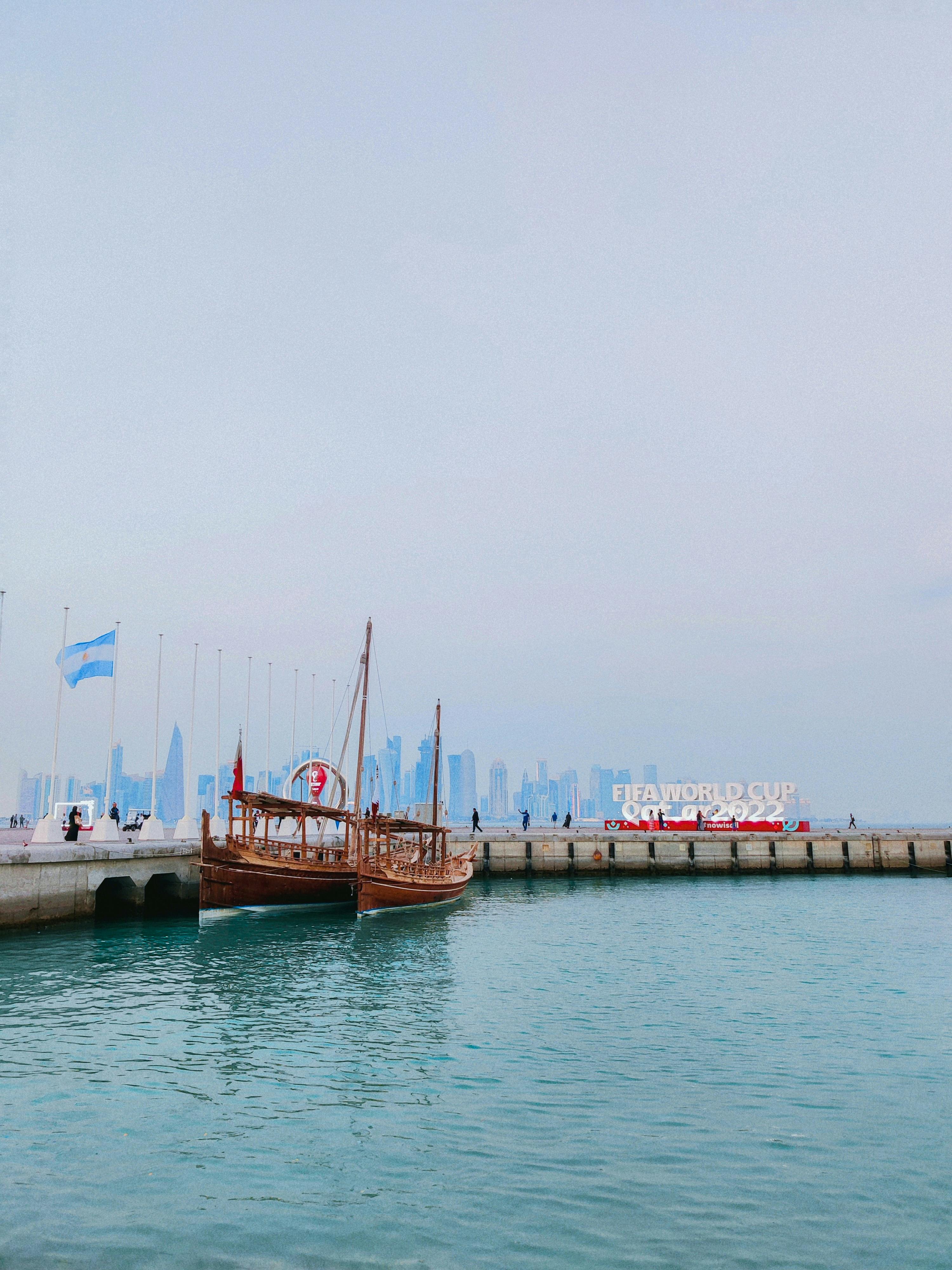
What is the FIFA 2026 World Cup Ticket Cancellation Controversy?
At its core, the FIFA 2026 World Cup Ticket Cancellation Controversy revolves around a significant disparity between online allegations and official statements. On one side, various social media posts, news snippets, and online discussions have suggested a wave of mass ticket cancellations, reportedly numbering around 16,800. These claims often link the cancellations to calls for a boycott of the tournament, citing concerns over socio-political issues, particularly those related to immigration policies in the host countries, specifically the United States. The narrative put forward by those alleging cancellations is that a considerable segment of potential attendees is registering their disapproval by withdrawing their intent to participate, symbolically or actually returning their purchased tickets.
On the other side stands FIFA, the Fédération Internationale de Football Association, the very entity organizing the prestigious event. FIFA has unequivocally denied these claims of mass cancellations. Their stance is firm: the reports of widespread ticket withdrawals are unfounded and lack any factual basis. They've communicated to various media outlets that such allegations have 'no validity at all,' emphasizing that their internal data does not reflect any such trend. Furthermore, FIFA points to its established ticketing policies, which are generally strict regarding cancellations and refunds once tickets have been purchased and allocated. This creates a fascinating and concerning standoff between a vocal online movement and an unyielding official body, leaving many fans and observers wondering where the truth lies and what impact this back-and-forth might have on the upcoming World Cup.
Why is this Controversy Important?
This controversy isn't just a fleeting online rumor; it carries significant weight and implications for several reasons, touching upon the very essence of the World Cup, the relationship between fans and governing bodies, and the future of global sporting events. Understanding its importance requires looking at multiple facets:
1. Impact on FIFA's Reputation and Trust:
FIFA, as the steward of the world's most popular sport, relies heavily on public trust and an image of seamless, fair organization. Allegations of mass cancellations, especially those tied to socio-political concerns, can chip away at this reputation. If fans perceive a lack of transparency or feel their concerns are being dismissed, it can damage their trust in FIFA's management and integrity. This isn't just about tickets; it's about the broader perception of FIFA's ability to host a truly inclusive and globally celebrated event.
2. The Fan Experience and Anticipation:
The World Cup is a quadrennial festival for football enthusiasts. News of alleged boycotts and cancellations can cast a shadow over this excitement. Fans planning to attend might become anxious about the event's atmosphere, potential protests, or even the availability of tickets if the situation were to change. For those who have already secured their tickets, such news can create uncertainty and dampen the otherwise joyous anticipation that usually precedes a World Cup.
3. Financial Implications for Host Cities and Sponsors:
Hosting a World Cup is an enormous undertaking, with cities and countries investing billions in infrastructure, security, and tourism. Mass cancellations, even if only alleged, can signal potential risks for these investments. Sponsors, who pour vast sums into associating their brands with the World Cup, also monitor such controversies closely. A perception of an event being marred by boycotts or diminished attendance could make future sponsorship deals harder to secure or less lucrative.
4. The Intersection of Sport and Politics:
This controversy highlights the increasing intertwining of major sporting events with broader global socio-political issues. While many argue that sport should remain separate from politics, the reality is often different. When calls for boycotts emerge due to concerns like immigration policies or human rights, it forces organizations like FIFA to navigate a complex landscape where their decisions and statements can be scrutinized not just by sports fans but by a global socio-political audience. This can set precedents for how future major events address similar challenges.
5. Setting Precedents for Future Ticketing Policies:
FIFA's strict no-cancellation policy is a critical component of its ticketing framework. Should these allegations gain significant traction, or if there were any forced adjustments, it could prompt a re-evaluation of how tickets are managed, sold, and potentially refunded in the future. This could have long-term implications for the flexibility and consumer-friendliness of major event ticketing globally.
In essence, this controversy is important because it tests the resilience of the World Cup's appeal, challenges FIFA's authority and public relations, and underscores the complex modern environment in which global sporting spectacles are now staged. It's a reminder that beyond the pitch, there's a delicate balance of trust, policy, and public sentiment that determines an event's true success.
How Did This Situation Unfold? A Timeline of the Alleged Cancellations
The unfolding of the alleged FIFA 2026 World Cup ticket cancellation controversy is less a clear, officially documented chain of events and more a narrative pieced together from various online murmurs, media reports, and official denials. To truly understand its trajectory, we need to trace the origins of the claims and how they’ve evolved against FIFA’s consistent dismissal.
Early Whispers and Online Speculation (Late 2023 - Early 2024)
The seeds of this controversy appear to have been sown in late 2023 and early 2024. As the anticipation for the 2026 World Cup began to ramp up, discussions surrounding the host nations—primarily the United States, alongside Canada and Mexico—intensified. It was during this period that nascent concerns regarding U.S. immigration policies, particularly those related to the treatment of migrants, began to gain traction in certain online communities and activist circles. While not directly tied to tickets initially, these discussions created a fertile ground for potential protests or calls for boycotts of events hosted in the U.S.
The Emergence of Boycott Calls (Spring 2024)
As the conversation around socio-political issues in the host countries grew louder, specific calls for boycotting the 2026 World Cup started to surface on various social media platforms, including X (formerly Twitter), Facebook, and Reddit. These calls weren't universally adopted but resonated within specific communities concerned with human rights and social justice. The idea was to leverage the economic and symbolic power of the World Cup to draw attention to these issues. It's crucial to note that at this stage, these were primarily calls for action, not claims of actual cancellations.
Allegations of Mass Cancellations Surface (Mid-2024)
This is where the narrative takes a pivotal turn. Following the boycott calls, claims began to emerge, first anecdotally and then with increasing frequency, that these calls were actually translating into action. Specific numbers, such as '16,800 alleged cancellations,' started to circulate. It's unclear who first coined this precise figure or how it was derived. Some reports suggested that a wave of fans, ostensibly in solidarity with the boycott movement, were attempting to cancel their tickets or publicly stating their intention to do so. These allegations often spread rapidly through viral social media posts and shared content, creating the impression of a widespread movement.
FIFA's Official Denial (Ongoing)
In response to the growing online noise, FIFA officially stepped in to address the situation. Their response has been consistent and unwavering: the reports of mass cancellations are false. FIFA has communicated to various news outlets and through its official channels that it has no record of 16,800 or any significant number of ticket cancellations for the 2026 World Cup. They’ve characterized these claims as having 'no validity at all,' suggesting they are mere rumors or disinformation. FIFA has also reiterated its standard ticketing policy, which typically prohibits cancellations and refunds for purchased tickets, directing fans to official resale platforms if they genuinely can no longer attend. This firm denial directly contradicts the online allegations, creating the ongoing controversy.
The Current Standoff and Media Scrutiny (Present)
Currently, the situation remains a standoff. Online discourse continues to feature discussions about boycotts and alleged cancellations, fueled by those who believe the reports are true or who wish to amplify the boycott message. Simultaneously, FIFA maintains its position, backed by its internal data and ticketing policies. This has led to media outlets often reporting on both sides of the story – the allegations and FIFA's denials – leaving the public to weigh the evidence and draw their own conclusions. The controversy, while denied by the official body, continues to trend, highlighting the power of social media to shape narratives, even in the face of strong official rebuttals.
This timeline illustrates how a combination of socio-political concerns, online activism, and the rapid spread of information can converge to create a significant, albeit disputed, controversy around a major global event like the FIFA World Cup.
FIFA's Stance: Why They're Denying the Claims
FIFA's denial of the 16,800 alleged ticket cancellations isn't just a simple 'no'; it's a strategically important position rooted in their operational policies, financial stability, and public image. There are several key reasons why the global football body is so adamant in refuting these claims:
1. Strict No-Cancellation Policy:
Perhaps the most fundamental reason for FIFA's denial is its established ticketing policy. World Cup tickets, once purchased and confirmed, are generally non-refundable and non-cancellable. This policy is standard for major global events, designed to ensure stability in revenue, manage inventory, and prevent speculation or last-minute changes that could disrupt planning. If thousands of cancellations were actually occurring, it would signify a major breakdown in this core policy, something FIFA would be keen to prevent or at least not acknowledge publicly without robust verification.
2. Absence of Internal Data to Support Claims:
FIFA operates sophisticated ticketing systems that track every single ticket allocation, sale, and potential issue. Their official statements indicate that their internal data simply does not corroborate the claims of mass cancellations. For 16,800 tickets to be cancelled, there would be a digital trail, a series of transactions or requests that their systems would log. The fact that FIFA states these reports have 'no validity at all' suggests a thorough check of their records has yielded no evidence of such a widespread phenomenon.
3. Protecting the Event's Image and Commercial Viability:
The World Cup is FIFA's flagship event, a massive commercial enterprise generating billions in revenue from broadcasting rights, sponsorships, and ticket sales. Any suggestion of widespread cancellations or boycotts could deter potential sponsors, dampen future ticket sales, and negatively impact the perception of the event's overall success and appeal. By strongly denying these claims, FIFA is protecting the commercial interests and positive image of the 2026 World Cup.
4. Preventing a Domino Effect:
If FIFA were to even tacitly acknowledge or entertain the claims of mass cancellations, it could inadvertently legitimize the boycott calls and potentially encourage more fans to attempt to cancel their tickets. A firm denial serves to underscore their authority, reinforce their policies, and prevent a potential domino effect that could escalate the situation beyond control.
5. Distinguishing Between Allegations and Reality:
In the age of rapid information dissemination, rumors and unverified claims can spread like wildfire online. FIFA's denial is an attempt to draw a clear line between online speculation and factual reality. They are asserting that what is being discussed on social media does not align with the actual operational data and contractual agreements they have in place with ticket holders.
6. Focus on Demand and Positive Momentum:
FIFA’s communications often focus on the overwhelming demand for World Cup tickets and the excitement building for the event. Emphasizing high demand and successful ticket sales helps maintain positive momentum. Acknowledging cancellations, especially those linked to boycotts, would divert attention from this positive narrative and introduce an element of negativity that FIFA wishes to avoid.
In essence, FIFA's denial is a multi-faceted response designed to uphold their ticketing policies, safeguard their financial and reputational interests, and maintain control over the narrative surrounding the 2026 World Cup. It's a clear signal that they view these allegations as baseless and are committed to presenting an image of a well-organized and eagerly anticipated tournament.
Understanding World Cup Ticketing: A Deep Dive
Navigating the world of FIFA World Cup tickets can feel like a complex journey, even for seasoned football fans. Understanding how tickets are sold, allocated, and managed is crucial to grasping why a controversy around cancellations can become so contentious. FIFA employs a structured, multi-phase approach to ensure fairness and manage the immense global demand.
Phases of Ticket Sales:
Typically, World Cup tickets are released in distinct phases, each with its own rules and target audience:
- Sales Phase 1 (Random Selection Draw): This is often the first opportunity for fans worldwide to apply for tickets. Interested individuals register their interest for specific matches, team-specific series, or venue-specific ticket packages. Due to overwhelming demand, tickets are usually allocated via a lottery or random selection draw. Payment is processed once successful applicants are notified. This phase prioritizes fairness by giving everyone an equal chance, regardless of how quickly they apply within the window.
- Sales Phase 2 (First-Come, First-Served): Following the initial draw, a 'first-come, first-served' period usually opens, where any remaining tickets from the initial allocation, or those that were not paid for, become available. Speed is of the essence here, as tickets are snapped up rapidly.
- Last-Minute Sales Phase: Closer to the tournament, another 'first-come, first-served' phase often takes place, offering any final remaining tickets. This is for those who decide to attend later or were unsuccessful in earlier phases.
- Hospitality Packages: Alongside general admission tickets, FIFA, through appointed hospitality providers, sells premium packages. These often include match tickets combined with luxury amenities, fine dining, and exclusive access. These packages are sold separately and typically at a much higher price point.
Types of Tickets Available:
- Individual Match Tickets: For specific matches.
- Team-Specific Ticket Series (TST): Allows fans to follow a particular national team through the group stage and potentially into knockout rounds.
- Venue-Specific Ticket Series (VST): Grants access to all matches played at a specific stadium, excluding the final.
- Accessibility Tickets: Special tickets for fans with disabilities and limited mobility, often including a complimentary companion ticket.
The Strict No-Cancellation Policy:
A cornerstone of FIFA's ticketing operation is its very stringent no-cancellation and no-refund policy for general admission tickets. Once purchased and confirmed, a ticket is generally considered final. This policy is communicated clearly to purchasers during the application process. The rationale is multi-fold:
- Demand Management: With millions vying for a limited number of tickets, a flexible cancellation policy could create chaos, making it difficult to reallocate returned tickets fairly and efficiently.
- Preventing Speculation: A strict policy discourages individuals from buying tickets speculatively with the intention of reselling them for profit, as they bear the risk of not being able to offload them if prices fall or plans change.
- Revenue Stability: Guaranteed sales ensure predictable revenue streams for FIFA and host organizations, crucial for planning and executing an event of this magnitude.
The Official Resale Platform:
Recognizing that circumstances can change for ticket holders, FIFA typically provides an official Resale Platform closer to the tournament. This platform allows original ticket purchasers to offer their tickets for resale to other fans at face value (or sometimes slightly below, with a small administrative fee). This is the only officially sanctioned method for transferring tickets and is designed to combat the illicit secondary market while offering a legitimate avenue for fans whose plans change. It’s important to stress that this is a *resale* and not a *cancellation* where the money is returned by FIFA directly. The original buyer only gets their money back if someone else buys their ticket.
Contrast with Secondary Markets:
The 'no-cancellation' policy and the official resale platform are starkly different from unofficial secondary markets (ticket brokers, unofficial websites, social media groups). These unofficial channels often involve inflated prices, the risk of counterfeit tickets, and no guarantee of entry. FIFA strongly advises against purchasing tickets from such sources. The very existence of a strict no-cancellation policy means that anyone claiming to have 'cancelled' their ticket with FIFA, especially in large numbers, is likely misrepresenting the process or referring to an entirely different transaction, such as a refusal to pay for an allocated ticket or a sale on an unofficial platform.
Understanding this intricate system of sales, policies, and official channels makes it clear why FIFA's denial of mass cancellations is so resolute. Their system is designed precisely to prevent such occurrences and maintain order in a highly coveted market.

Common Misconceptions About World Cup Tickets and Cancellations
The world of major event ticketing, especially for something as monumental as the FIFA World Cup, is often rife with misunderstandings. These misconceptions can easily fuel controversies like the alleged mass cancellations. Let's clear up some common myths:
- Mistake 1: You can cancel your World Cup ticket and get a full refund from FIFA whenever you want.Description: This is perhaps the biggest misconception. As discussed, FIFA operates under a very strict 'no-cancellation, no-refund' policy for general admission tickets once they are purchased and confirmed. Unlike many consumer purchases where returns are standard, World Cup tickets are typically final sales. The idea that someone can simply change their mind and get their money back directly from FIFA is incorrect. If your plans change, your only official recourse is usually to list your ticket on FIFA's authorized resale platform, hoping another fan buys it, or to transfer it to a designated friend/family member if FIFA's rules allow for that specific type of transfer closer to the event. The concept of 'cancelling' 16,800 tickets implies a direct return to FIFA for a refund, which is not how the official system works.
- Mistake 2: All tickets are sold at once, and if you miss the first window, you're out of luck.Description: This is untrue. FIFA employs a multi-phase sales process, often including initial lottery draws, first-come, first-served windows, and a last-minute sales phase closer to the tournament. This phased approach allows different groups of fans opportunities to secure tickets and helps manage the immense demand over time. While the earliest phases often have the broadest selection, tickets do become available at various points, sometimes even very close to the event through the official resale platform.
- Mistake 3: Buying tickets from unofficial secondary markets is just as safe and reliable.Description: Absolutely not. FIFA strongly warns against purchasing tickets from unauthorized sources, such as unofficial websites, social media groups, or individual resellers not operating on the official platform. These tickets are often sold at exorbitant prices, can be counterfeit, or may be invalidated by FIFA, leading to denial of entry at the stadium. Furthermore, purchasing from unofficial channels offers no consumer protection if something goes wrong. The official resale platform is the *only* safe and legitimate way to buy or sell tickets outside of the initial sales phases directly from FIFA.
- Mistake 4: Calling for a boycott automatically means thousands of tickets are being returned.Description: This misconception conflates advocacy with action. While social media may be abuzz with calls for boycotts, the act of calling for a boycott does not automatically translate into actual, verifiable ticket cancellations. Many people may support the sentiment of a boycott without having purchased tickets, or without actually being able to cancel their existing, non-refundable tickets. The alleged 16,800 cancellations are precisely this – an *allegation* that the calls have been met with concrete, large-scale action, which FIFA vehemently denies.
- Mistake 5: FIFA profits if you don't use your ticket.Description: While FIFA doesn't lose money directly if an allocated ticket isn't used (as it's already paid for), they don't 'profit' from unused seats in a positive way. Their primary goal is to have full stadiums and a vibrant atmosphere. An empty seat represents a missed opportunity for a fan to experience the game and contribute to the overall ambiance, which is crucial for the event's appeal and future commercial success. The goal is to maximize attendance, not to have paid-for but empty seats.
Dispelling these myths is vital for understanding the current controversy and for any fan planning to attend a future World Cup. Always rely on official FIFA channels for information and ticket purchases.
Benefits of a Well-Managed World Cup Ticketing System
While the focus is currently on alleged cancellations, it's worth stepping back to appreciate the immense benefits of a robust, well-managed ticketing system for an event of the FIFA World Cup's scale. When executed effectively, such a system contributes significantly to the success and integrity of the tournament.
- Benefit 1: Ensures Fair Access to a Global Audience:Clear explanation: A well-structured ticketing process, especially one that includes lottery draws and phased sales, aims to provide fair access to fans from every corner of the globe. This prevents tickets from being monopolized by a few well-connected individuals or local populations. By having clear rules and application windows, FIFA attempts to democratize the ticket acquisition process, making sure that a diverse range of fans gets the chance to experience the World Cup, embodying its global spirit. It moves beyond a simple 'fastest finger first' approach that could disadvantage fans in different time zones or with less reliable internet access.
- Benefit 2: Mitigates the Secondary Market and Protects Fans from Exploitation:Real-world value: One of the most critical benefits is the active fight against ticket touts and the illicit secondary market. Without a controlled system, tickets would quickly fall into the hands of scalpers who would resell them at exorbitant prices, exploiting genuine fans. By having an official resale platform and strict policies, FIFA provides a safe, regulated environment for fans to exchange tickets at face value. This protects buyers from inflated prices, counterfeit tickets, and the anxiety of being denied entry, ensuring that the joy of attending a World Cup isn't tarnished by fraud or financial exploitation.
- Benefit 3: Provides Financial Stability and Predictability for Organizers:Clear explanation: Imagine planning an event that costs billions without knowing your revenue. A firm ticketing policy, including the 'no-cancellation' rule, offers FIFA and the host nations crucial financial predictability. Knowing that purchased tickets represent guaranteed revenue allows for more accurate budgeting, investment in infrastructure, security, and fan services. This stability is vital for the smooth execution of such a massive logistical undertaking, ensuring everything from stadium upgrades to transport logistics can be planned with confidence.
- Benefit 4: Enhances Security and Crowd Management:Real-world value: A centralized and transparent ticketing system is a cornerstone of effective security and crowd management. Knowing exactly who holds tickets, for which seats, and having a verified database of attendees (even if anonymized by personal data protection) is invaluable for security forces. It allows for better planning of entry points, quicker identification of potential threats, and more efficient crowd flow. This contributes directly to the safety and well-being of all attendees, making the stadium environment more secure and enjoyable.
- Benefit 5: Maintains the Integrity and Prestige of the Event:Clear explanation: The World Cup's allure is its status as a premier global sporting event. A chaotic or easily manipulated ticketing system would undermine this prestige. A well-managed system ensures that tickets are distributed fairly, that stadiums are full, and that the event is associated with order and professionalism. This reinforces the World Cup's brand as the pinnacle of international football, drawing continued global interest, participation, and investment for future tournaments.
In essence, a well-managed ticketing system is far more than just selling pieces of paper; it’s a foundational pillar that supports the fairness, security, financial viability, and overall success of the FIFA World Cup, ensuring it remains a celebrated global spectacle for generations of fans.
The Fan Experience at Stake: Impact of Such Allegations
The alleged FIFA 2026 World Cup ticket cancellations, even if vehemently denied by FIFA, aren't just an abstract debate between an organization and online claims. This controversy directly impacts the most crucial element of the World Cup: the fan experience. The ripple effects can be felt long before a ball is kicked, shaping perceptions, trust, and the very atmosphere of the tournament.
Erosion of Trust and Confidence:
For many fans, purchasing a World Cup ticket is a significant investment – financially, emotionally, and logistically. When allegations of mass cancellations surface, especially alongside calls for boycotts, it can sow seeds of doubt. Fans might question the transparency of the ticketing process, the stability of the event, or even the underlying reasons for the controversy. This erosion of trust can make future ticket purchases feel riskier and less straightforward, damaging the long-term relationship between FIFA and its global fanbase.
Dampened Excitement and Anticipation:
The World Cup is built on a foundation of collective anticipation. Weeks and months leading up to the event are usually filled with vibrant discussions about teams, players, travel plans, and the overall celebratory atmosphere. Controversies like this, however, can introduce a sour note. Instead of focusing solely on the beautiful game, fans might find themselves drawn into debates about socio-political issues, boycott ethics, or the veracity of online claims. This can dampen the pure joy and excitement that typically precedes such a grand sporting spectacle.
Uncertainty for Travel and Logistics:
For international travelers, World Cup planning involves intricate logistics: flights, accommodations, visas, and internal transport. Allegations of boycotts or cancellations can introduce an unwelcome layer of uncertainty. While FIFA denies the claims, the mere *discussion* of such large-scale disruptions can make fans hesitant to finalize expensive travel arrangements. What if the atmosphere is less festive than expected? What if there are widespread protests impacting access? These 'what-ifs' can create anxiety, making the planning process more stressful than it should be.
Divisiveness Among the Fanbase:
Online allegations can also create divisions within the global fanbase. Some fans might be sympathetic to the reasons behind the alleged boycotts, while others might view them as attempts to politicize sport or spread misinformation. These differing viewpoints can lead to heated arguments and a less unified community spirit, which is usually a hallmark of the World Cup. Instead of celebrating together, fans might find themselves on opposing sides of a non-football debate.
Risk of Misinformation Influencing Decisions:
In the digital age, misinformation spreads rapidly. If fans are exposed primarily to unverified claims of cancellations without also seeing FIFA's official denials, they might make decisions based on incomplete or inaccurate information. This could range from reconsidering their attendance to altering their travel plans, all due to a narrative that may not reflect reality. The challenge for FIFA and verified news sources is to cut through the noise and provide clear, accurate information to the broadest audience possible.
Pressure on On-Site Atmosphere:
While FIFA denies mass cancellations, the underlying socio-political issues that *sparked* the boycott calls might still manifest in other ways at the event. Protests, demonstrations, or simply a palpable tension around certain topics could impact the on-site atmosphere for attendees. The fan experience isn't just about what happens on the pitch; it's about the entire environment, and controversies can certainly cast a shadow over that.
Ultimately, the alleged World Cup ticket cancellation controversy serves as a stark reminder of how quickly external factors can influence the perception and reality of a global sporting event. For fans, it's a test of trust, a challenge to navigate misinformation, and a potential dampener on an otherwise joyous occasion that they have eagerly awaited for years.
The Road to 2026: Preparations and Potential Pitfalls
The FIFA World Cup 2026 is set to be historic, marking the first time three nations – the United States, Canada, and Mexico – will co-host the tournament, and the first to feature 48 teams. This expansion and multi-nation hosting present both incredible opportunities and unique challenges that demand meticulous preparation. The alleged ticket cancellation controversy, while denied, serves as a poignant reminder of the potential pitfalls that lie ahead.
Opportunities of a Tri-Nation Host:
- Expanded Reach and Fan Base: Hosting across North America allows for an unprecedented geographic reach, tapping into massive existing football fan bases and introducing the sport to new demographics across three diverse countries.
- Infrastructure and Stadiums: The host cities boast world-class stadiums and extensive infrastructure, minimizing the need for new construction, which often plagues World Cups. This allows for a focus on operational readiness.
- Economic Impact: The tournament is projected to deliver an enormous economic boost to all three nations, generating billions in tourism, employment, and investment.
- Cultural Fusion: The event will be a vibrant celebration of three distinct cultures, offering a rich and varied experience for visiting fans and showcasing the unique flavors of each host country.
Key Preparations Underway:
- Venue Upgrades: While stadiums are largely ready, many are undergoing significant upgrades to meet FIFA's stringent requirements for media facilities, VIP areas, and fan zones.
- Transportation and Logistics: Coordinating travel between 16 host cities across three countries is a monumental task. Plans are being developed for inter-city travel, public transport within cities, and border crossings for fans and teams.
- Security Planning: With a larger format comes enhanced security challenges. Detailed plans are being developed to ensure the safety of players, officials, and millions of fans across multiple international borders.
- Fan Experience Initiatives: Efforts are underway to create immersive fan zones, cultural festivals, and digital engagement platforms to enhance the overall experience for attendees and those watching from afar.
- Sustainability Goals: FIFA and the host nations are prioritizing sustainability, aiming to reduce the environmental footprint of the tournament through green energy, waste management, and responsible resource use.
Potential Pitfalls and Challenges:
Despite the robust preparations, several challenges could impact the success of World Cup 2026, and the recent ticket controversy highlights their sensitivity:
- Geographical Sprawl and Travel Logistics: The vast distances between host cities (e.g., Vancouver to Miami) will pose significant logistical challenges for fans and teams, potentially increasing travel costs and fatigue. Effective coordination of flights, trains, and buses will be paramount.
- Border Control and Visa Issues: Navigating the U.S., Canadian, and Mexican borders will be a key concern. While efforts are being made to streamline processes, any complexities or delays could frustrate fans, especially those from countries requiring visas. This is precisely the kind of issue that can fuel socio-political concerns, as seen with the alleged ticket cancellations.
- Security Coordination Across Nations: Integrating security operations and intelligence sharing across three sovereign nations will be a complex undertaking, requiring unprecedented levels of cooperation.
- Socio-Political Protests and Boycott Calls: As demonstrated by the current controversy, global events are increasingly vulnerable to socio-political movements. Issues like immigration policies, human rights, or environmental concerns could lead to protests that, even if peaceful, might disrupt the flow of the event or draw negative attention.
- Economic Disparities and Pricing: Ensuring affordability for a diverse global audience, especially in countries with high living costs like the U.S. and Canada, will be a balancing act. High ticket, accommodation, and travel prices could alienate segments of the fanbase.
- Legacy and Sustainability: Beyond the tournament, ensuring a lasting positive legacy for all three host nations, particularly in terms of social benefits and continued football development, will be a key measure of success.
The road to 2026 is paved with immense potential, but it is also dotted with significant hurdles. The alleged ticket cancellation controversy underscores the delicate balance FIFA and the host nations must maintain, not just in operational readiness, but also in managing public perception and responding to the complex interplay of sport, society, and politics on a global stage. The success of 2026 will hinge on their ability to anticipate and skillfully navigate these multifaceted challenges.
Navigating World Cup Ticket Purchases: Expert Tips for Fans
Securing your spot at a FIFA World Cup can be an exhilarating experience, but it requires careful planning and a strategic approach. With millions vying for a limited number of tickets, it's essential to be prepared and informed. Here are some expert tips to help you navigate the complex world of World Cup ticket purchases and ensure a smooth journey to the stands.
1. Always Use Official Channels:
This is the golden rule. FIFA.com is the *only* official platform for purchasing general admission match tickets. For hospitality packages, use only FIFA's officially appointed hospitality providers. Never buy tickets from unofficial websites, social media, street vendors, or secondary market platforms that are not explicitly sanctioned by FIFA. These can be scams, lead to inflated prices, or result in invalid tickets and denied entry. Your safest bet for a secure and legitimate purchase is always through the official FIFA channels.
2. Understand the Sales Phases:
Familiarize yourself with the different sales phases – typically a random selection draw, followed by first-come, first-served windows, and a last-minute sales phase. Each phase has specific application periods and rules. Missing an early phase doesn't mean you're entirely out of luck, but opportunities may be more limited later on. Stay updated by signing up for email alerts on FIFA.com.
3. Apply Early for the Random Selection Draw:
If you're serious about attending, apply during the initial random selection draw phase. This offers the best chance to secure tickets for highly demanded matches, and you have the full application window to submit your request without needing to rush. While it's a lottery, it's often your best shot at getting your preferred matches and ticket categories.
4. Be Flexible with Matches and Categories:
Demand for group stage matches involving popular teams or knockout stage games (especially the final) is incredibly high. Consider applying for less sought-after group stage matches, or matches involving teams you might not initially follow but could still offer an incredible atmosphere. Also, be flexible with ticket categories; Category 3 or 4 tickets are usually more affordable and easier to obtain than Category 1.
5. Prepare Your Payment Method:
Ensure your credit card or other payment method is valid, has sufficient funds, and is set up for international transactions. If you're successful in a draw or quickly secure tickets in a first-come, first-served window, you'll need to complete the payment promptly to confirm your purchase. Delays can result in your allocated tickets being forfeited.
6. Plan Your Logistics Early (But Don't Book Irreversibly Until Tickets Are Confirmed):
Research potential flights, accommodations, and internal travel between host cities well in advance. However, exercise caution: *do not make non-refundable travel bookings until your match tickets are fully confirmed and in hand.* There’s always a small chance your ticket application could be unsuccessful or plans change. Having flexible travel arrangements or insurance can save you a significant headache and financial loss. This is especially true given the ongoing discussions around potential disruptions.
7. Understand the No-Cancellation Policy and Official Resale Platform:
As highlighted in the current controversy, FIFA tickets are generally non-refundable. If your plans change, your best official option is usually to offer your ticket on FIFA's official Resale Platform (if and when it becomes available). Understand how this platform works, including any fees or conditions. This is your safe haven if you can no longer attend and want to legitimately transfer your ticket. For those who enjoy the thrill of sports betting, remember that official partnerships matter. For a trusted betting experience, you might consider platforms that adhere to regulatory standards. You can Place your bets on Bantubet Kenya, a platform that aligns with responsible gaming principles and offers a secure environment for your wagers.
8. Stay Informed and Patient:
The World Cup ticketing process is long and requires patience. Follow official FIFA announcements, subscribe to their newsletters, and ignore unverified rumors or sensational claims. Trust legitimate news sources for updates on sales phases, policies, and any potential changes. Staying calm and informed will be your greatest asset.
By following these expert tips, you can significantly increase your chances of securing World Cup tickets and enjoy a stress-free experience, focusing on the excitement of the tournament rather than potential pitfalls.
The Wider Implications: Trust, Transparency, and the Future of Major Sporting Events
The FIFA 2026 World Cup ticket cancellation controversy, regardless of its ultimate veracity, transcends the immediate details of ticket numbers and denials. It brings into sharp focus wider implications concerning trust, transparency, and the evolving landscape for all major global sporting events in the 21st century. This incident serves as a microcosm of larger challenges that organizers, federations, and even governments must increasingly confront.
The Imperative of Trust:
At the heart of any successful global event lies public trust. Fans, sponsors, host cities, and even participating nations need to believe in the integrity, fairness, and capability of the organizing body. When controversies, real or alleged, gain traction, trust can be quickly eroded. FIFA, like other major sports organizations, operates on a social license – the implicit acceptance by the public to host and govern these events. A persistent perception of opacity, dismissiveness, or a struggle with public relations can significantly weaken this license, making future endeavors more challenging.
The Demand for Transparency:
In an era of instant information and widespread skepticism, the demand for transparency is higher than ever. Vague denials or simple dismissals, even if factually accurate from an organizational standpoint, may not be enough to satisfy a discerning public. While FIFA has its reasons for its strict ticketing policies and denial strategy, the controversy highlights the need for more proactive, detailed, and easily digestible explanations. What mechanisms are in place to prevent cancellations? How are allegations investigated? Clearer communication on these fronts could help bridge the gap between official statements and public perception, fostering greater confidence.
The Politicization of Sport and Social Media's Role:
This controversy vividly demonstrates the increasing politicization of major sporting events. Issues like immigration policies, human rights, or geopolitical tensions are no longer confined to political forums; they frequently spill over into sports, becoming rallying points for activists and concerned citizens. Social media acts as an accelerant, allowing claims, counter-claims, and calls for action to spread globally in minutes, often bypassing traditional media filters. Organizers must now contend not only with traditional logistical challenges but also with being at the epicenter of broader social and political debates, forcing them to develop sophisticated strategies for engagement and rebuttal in the digital sphere.
Lessons for Future Event Hosting:
The alleged cancellations serve as a critical lesson for all future major event hosts and organizers, from the Olympics to other World Cups. It underscores the importance of:
- Robust Communication Strategies: Developing clear, consistent, and empathetic communication plans that can proactively address concerns and quickly counter misinformation.
- Understanding Socio-Political Landscapes: Deeply analyzing the socio-political climate of host nations and globally, anticipating potential flashpoints, and having strategies to address them.
- Fan Engagement Beyond Tickets: Building strong, trusting relationships with the global fanbase that extend beyond transactional ticket purchases, fostering a sense of shared community and purpose.
- Adaptive Policies: While strict policies are necessary, periodically reviewing them for fairness, flexibility, and alignment with modern consumer expectations can be beneficial.
The Enduring Power of the World Cup:
Despite these challenges, the FIFA World Cup remains an unparalleled global phenomenon, a testament to the enduring power of football to unite and inspire. Its immense appeal means it will always draw attention, both positive and critical. The ultimate test for FIFA and the 2026 hosts will be to navigate these complex waters with grace, integrity, and a steadfast commitment to delivering an event that lives up to its promise as a celebration of human spirit and sporting excellence. By addressing these wider implications head-on, they can ensure the World Cup continues to thrive as a beacon of global unity and competition for generations to come.
Key Insights from the FIFA 2026 World Cup Ticket Controversy
The unfolding saga of the alleged 2026 World Cup ticket cancellations offers a wealth of insights into the complex interplay of sport, public opinion, and digital communication. While FIFA steadfastly denies the claims, the controversy itself reveals several critical aspects about how major global events are perceived and managed today.
1. The Power of Online Narratives, Even Without Official Confirmation:
One of the most striking insights is the immense power of social media to amplify and disseminate narratives, even those lacking official verification. The claims of 16,800 cancellations gained significant traction because they resonated with existing socio-political concerns and were shared widely across platforms. This underscores that in the digital age, a story's reach can sometimes be independent of its factual basis, posing a significant challenge for official bodies trying to control the narrative.
2. FIFA's Unwavering Commitment to Its Ticketing Policy:
FIFA's firm denial highlights its unwavering commitment to its established 'no-cancellation, no-refund' ticketing policy. This policy is fundamental to its operational stability and revenue predictability for an event of this magnitude. Their refusal to acknowledge widespread cancellations, even amidst public pressure, signals their intent to uphold these rules rigorously, reinforcing the contractual nature of ticket purchases.
3. The Growing Intertwining of Sport and Socio-Political Issues:
The controversy is not merely about tickets; it's deeply rooted in broader socio-political discussions, particularly around immigration policies in the host countries. This reinforces the trend that major sporting events can no longer exist in a vacuum, separate from global political and social contexts. Organizers must be prepared to address how these external issues can impact their events, from fan sentiment to potential boycott calls.
4. The Importance of Official Communication and Transparency:
While FIFA has denied the claims, the controversy emphasizes the continuous need for clear, proactive, and transparent communication from official sources. In a climate of skepticism, simply saying 'it's not true' may not be enough to fully allay public concerns or effectively counter viral misinformation. Detailed explanations of policies, data, and counter-arguments are becoming increasingly essential.
5. The Resilience and Robustness of FIFA's Ticketing System:
Despite the online noise, FIFA's ability to confidently deny such a large number of cancellations points to the robustness of its ticketing system. It suggests that their tracking mechanisms are sophisticated enough to detect significant anomalies, and that their framework is designed to withstand attempts at mass withdrawal, reinforcing the integrity of their sales process. For those looking to engage with sports in another capacity, such as betting, the importance of reliable systems and trusted platforms cannot be overstated. You can Place your bets on Bantubet Kenya, a platform known for its secure and regulated environment, offering a dependable experience for sports enthusiasts.
6. The Enduring Appeal and High Stakes of the World Cup:
Finally, the sheer volume of discussion, both for and against the alleged cancellations, underscores the incredibly high stakes and enduring global appeal of the FIFA World Cup. Any perceived threat to its smooth execution or its core values instantly draws widespread attention, proving its continued status as a monumental global event that transcends mere sport.
These insights collectively paint a picture of a modern World Cup operating in a complex ecosystem where digital communication, socio-political currents, and organizational policies constantly interact. Navigating this landscape effectively will be key to the success of 2026 and future tournaments.
FAQs
1. Are the 16,800 alleged 2026 World Cup ticket cancellations confirmed by FIFA?
No, FIFA has explicitly and repeatedly denied any mass cancellations of 2026 World Cup tickets. They have stated that reports of such cancellations, including the figure of 16,800, have 'no validity at all' and are not supported by their internal data or ticketing systems.
2. Why are people claiming tickets are being cancelled?
The claims of mass cancellations are primarily circulating online, often linked to calls for a boycott of the 2026 World Cup. These boycott calls stem from socio-political concerns, particularly regarding immigration policies in the host countries, specifically the United States, and other broader human rights issues.
3. Can I cancel my World Cup ticket if I've already purchased it?
Generally, no. FIFA operates a strict 'no-cancellation, no-refund' policy for general admission World Cup tickets once they have been purchased and confirmed. If your plans change, your only official recourse is usually to offer your ticket for resale on FIFA's authorized resale platform, typically made available closer to the tournament, if someone else purchases it.
4. What should I do if I want to sell my World Cup ticket?
If you genuinely can no longer attend and wish to sell your World Cup ticket, you should only use FIFA's official Resale Platform. This platform allows original ticket purchasers to offer their tickets at face value to other fans. Avoid unofficial secondary markets or individuals, as this can lead to invalid tickets and potential fraud.
5. How does FIFA ensure fair distribution of tickets?
FIFA utilizes a multi-phase sales process designed to provide fair access. This often includes an initial random selection draw, where applicants have an equal chance regardless of when they apply within the window. Subsequent 'first-come, first-served' phases and an official resale platform further facilitate distribution, aiming to reach a broad global audience.
6. Will this controversy affect the attendance or success of the 2026 World Cup?
While the controversy has generated online discussion, FIFA maintains that there have been no mass cancellations and that demand for tickets remains high. The ultimate impact on attendance and the event's success will depend on how the situation evolves, FIFA's continued management of public perception, and the appeal of the tournament itself.
Conclusion
The alleged FIFA 2026 World Cup ticket cancellation controversy stands as a powerful testament to the complex and often turbulent intersection of global sports, digital communication, and socio-political activism in the modern era. While claims of 16,800 alleged cancellations have resonated widely across social media, fueled by calls for boycotts linked to sensitive issues like immigration policies, FIFA has remained steadfast in its denial. Their position is rooted in robust ticketing policies that enforce a strict no-cancellation rule and a lack of any internal data to corroborate the online allegations, branding them as entirely baseless.
This situation underscores several critical insights: the immense power of online narratives, even in the absence of official confirmation; the unwavering commitment of major event organizers to their established policies; and the increasing politicization of global sporting spectacles. For fans, this controversy highlights the importance of relying on official information, understanding strict ticketing regulations, and carefully navigating the often-misleading currents of digital discourse. The fan experience, anticipation, and trust in FIFA are all put to the test when such allegations surface, demanding clear communication and transparency from all stakeholders.
As the road to 2026 progresses, FIFA and the host nations face the ongoing challenge of not only executing a logistically unprecedented tournament but also managing public perception in an increasingly interconnected and opinionated world. The World Cup's enduring appeal is undeniable, but maintaining its integrity and universal spirit requires constant vigilance against misinformation and a commitment to addressing the legitimate concerns that arise within its global community. For those who thrive on the excitement of global sports, whether through attendance or by engaging with the thrilling world of sports betting, remember that reliable and officially sanctioned channels are paramount. Make sure to Place your bets on Bantubet Kenya for a secure and trusted experience, aligning with the principles of fair play and responsible engagement in the vibrant world of sports. By staying informed, engaging responsibly, and supporting official channels, we can collectively ensure that the FIFA World Cup 2026 truly lives up to its promise as a celebration of the beautiful game for everyone.











Post a Comment
0 Comments