
Why Athletes Love Milano Cortina 2026 Olympic Village
TL;DR (Quick Answer)
The Milano Cortina 2026 Olympic Village, a groundbreaking development in Milan's Porta Romana, is set to redefine Olympic legacies. Boasting modern, ultra-sustainable facilities, it will first house 1,700 athletes and then transform into Italy’s largest subsidized student accommodation, offering an unparalleled blend of athletic excellence and future-proof urban living.
Introduction
Imagine a place where the world's most elite athletes chase their dreams of glory, where every facility is designed for peak performance and unparalleled comfort. Now, imagine that same place, shortly after the roar of the crowd fades, transforming into a vibrant, sustainable community for students, offering affordable and modern living spaces. This isn't a futuristic dream; it's the incredible reality taking shape in Milan with the Milano Cortina 2026 Olympic Village.
As the countdown to the XXV Olympic and Paralympic Winter Games Milano Cortina 2026 continues, anticipation isn't just building for the sporting spectacle itself. There's a profound buzz around one of the Games' most innovative and forward-thinking elements: the Olympic Village in Milan. This isn't just temporary housing; it's a testament to sustainable urban planning, a blueprint for how major international events can leave a lasting, positive legacy far beyond their closing ceremonies. Athletes are already raving about the promises of its cutting-edge facilities, while urban planners and educators are championing its brilliant second act as a sprawling, modern student housing complex. Get ready to dive deep into why this village is truly a game-changer, setting new standards for both athletic support and sustainable community development.
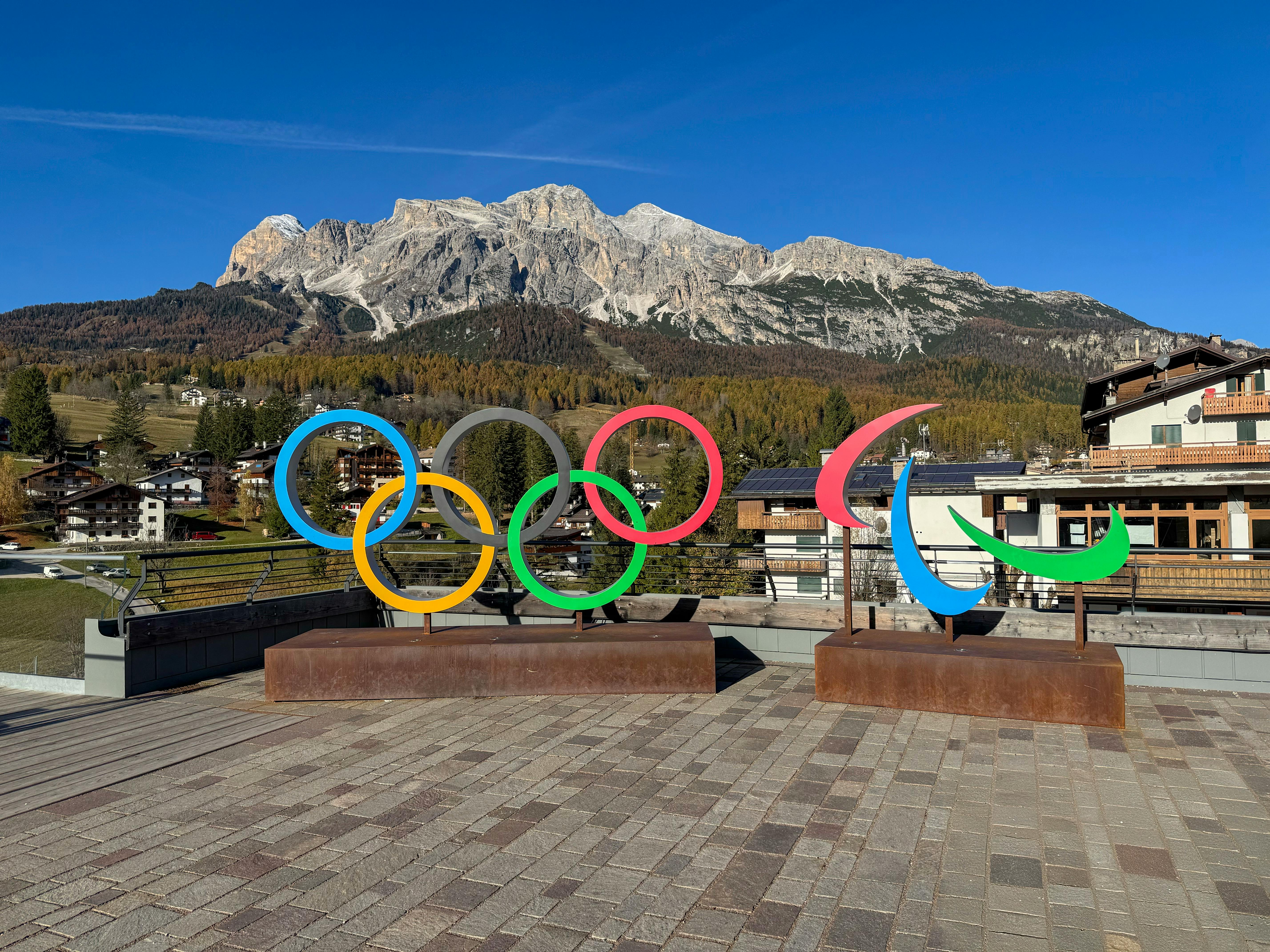
What is the Milano Cortina 2026 Olympic Village?
At its heart, the Milano Cortina 2026 Olympic Village is designed to be a temporary home for approximately 1,700 athletes and support staff during the Winter Olympic and Paralympic Games. But to truly understand it, we need to look beyond its immediate function. Located on the site of the former Porta Romana railway yard in Milan, this village is much more than just a collection of buildings. It's a meticulously planned urban ecosystem, a crucial component of the larger Scalo Romana urban regeneration masterplan – a visionary project spearheaded by COIMA SGR, Italy's leading real estate investor and developer, in collaboration with esteemed co-investors like Prada Holding and Covivio.
A Hub of Innovation and Comfort for Athletes
For a brief but intense period, this village will be the beating heart of the Olympic experience for thousands of competitors. Athletes, who dedicate their lives to pushing the boundaries of human potential, require an environment that supports their every need, from rigorous training to essential recovery and mental well-being. The Milano Cortina 2026 Olympic Village has been conceived with precisely this in mind. Imagine waking up in a space designed for optimal rest, with natural light flooding your room, and high-quality, sustainable materials surrounding you. Picture communal areas where athletes from diverse backgrounds can interact, share experiences, and build camaraderie, fostering that unique Olympic spirit that transcends national rivalries.
The facilities will include state-of-the-art accommodation units, advanced medical services, rehabilitation centers, dining halls catering to diverse dietary needs, and recreational zones. Every detail, from the ergonomic design of the furniture to the efficiency of the heating and cooling systems, is geared towards creating a perfect sanctuary for athletes. The idea is to minimize stress, maximize comfort, and allow athletes to focus entirely on their performance, knowing their physical and mental well-being are prioritized.
A Beacon of Sustainable Design
What truly sets this village apart is its unwavering commitment to sustainability, both in its construction and its future purpose. Designed by the internationally renowned architectural firm SOM (Skidmore, Owings & Merrill), with interiors by Coima Image and public green spaces by Michel Desvigne, the project embodies a holistic approach to environmental responsibility. This isn't just about ticking boxes; it's about fundamentally rethinking how large-scale developments can interact with the environment and the community.
From the choice of materials to the energy systems, sustainability is woven into the very fabric of the village. We're talking about buildings constructed with a keen eye on reducing carbon footprints, incorporating renewable energy sources, and implementing advanced waste management systems. It's a living laboratory of green architecture, demonstrating that ambitious projects can indeed be environmentally friendly. This commitment not only aligns with Italy's broader sustainability goals but also serves as an inspiring model for future Olympic Games and urban developments worldwide.
A New Chapter as Student Housing
Perhaps the most visionary aspect of the Milano Cortina 2026 Olympic Village is its meticulously planned second life. Shortly after the Games conclude in March 2026, the village will undergo a remarkable transformation, becoming Italy's largest subsidized student housing facility. This rapid, efficient conversion, slated to take just four months, is a testament to the adaptable design principles employed from day one. The 1,700 beds, once occupied by Olympians, will then provide modern, affordable accommodation for students, integrating seamlessly into Milan's vibrant academic landscape.
This dual-purpose design tackles a critical issue many Olympic host cities face: the 'white elephant' syndrome, where purpose-built venues become underutilized or costly burdens after the event. By planning for a sustainable legacy from the outset, Milan is ensuring that the investment in the Olympic Village continues to serve a vital community need for decades to come. It’s a smart, responsible, and incredibly exciting approach to urban development, proving that major events can be catalysts for long-term social and environmental good.
Why is it Important?
The Milano Cortina 2026 Olympic Village isn’t just another set of buildings; it represents a paradigm shift in how we approach major international events and their lasting impact. Its importance ripples through several key areas, touching athletes, students, the environment, and the very concept of urban development.
Setting a New Standard for Olympic Legacy
For decades, a lingering concern surrounding the Olympic Games has been the question of 'legacy.' What happens to the grand stadiums, the sprawling villages, and the specialized infrastructure once the world's attention moves on? Too often, the answer has been less than ideal: abandoned venues, financial burdens, and missed opportunities for long-term community benefit. The Milano Cortina 2026 Olympic Village directly confronts this challenge by embedding legacy into its foundational design.
By planning for a seamless transition from athlete housing to student accommodation, Milan is proactively averting the 'white elephant' scenario. This model demonstrates that with foresight and innovative design, Olympic infrastructure can become a powerful catalyst for urban regeneration and social good. It's a bold statement, showing the world that hosting the Games doesn't have to be a fleeting spectacle, but can instead be an engine for sustainable, enduring positive change. This could very well inspire future host cities to adopt similar dual-purpose strategies, redefining what a successful Olympic legacy truly means.
Empowering Athletes with Optimal Conditions
For the athletes themselves, the importance of this village cannot be overstated. The Olympic Games are the pinnacle of their careers, demanding years of relentless training, sacrifice, and an unwavering commitment to excellence. To perform at their best, they need more than just a place to sleep; they need a holistic environment that supports their physical and mental well-being.
The modern facilities of the Milano Cortina village promise just that. Imagine a world-class athlete, after an exhausting day of competition or training, returning to a tranquil, comfortable space designed to facilitate recovery. Access to advanced medical care, nutritious food, relaxation zones, and a sense of community with fellow athletes all contribute to reducing stress and optimizing performance. This focus on athlete welfare is not just about comfort; it's about providing the best possible conditions for them to achieve their dreams, enhancing the competitive spirit and integrity of the Games. When athletes feel truly supported, they can truly shine.
Addressing Milan's Student Housing Crisis
Beyond the Olympics, the village addresses a pressing social need in Milan: the scarcity of affordable and high-quality student housing. Milan is a bustling academic hub, attracting students from across Italy and around the globe. However, finding suitable accommodation can be a significant challenge, often characterized by high costs and limited availability. The conversion of the Olympic Village into Italy's largest subsidized student residence is a direct and impactful solution to this problem.
This initiative will provide 1,700 modern, well-equipped beds, making higher education more accessible and affordable for a large number of students. It fosters a vibrant academic community, integrates young people into the urban fabric, and alleviates pressure on the city's housing market. This dual legacy ensures that the investment in the Games yields tangible, long-term benefits for Milanese society, transforming temporary glory into enduring community value.
Championing Environmental Responsibility
In an era dominated by climate concerns, the environmental credentials of major events are under intense scrutiny. The Milano Cortina 2026 Olympic Village stands as a powerful testament to environmental responsibility. Its ultra-sustainable design and construction practices are not just buzzwords; they represent a genuine commitment to reducing ecological impact.
From energy efficiency and renewable power sources to sustainable material choices and advanced waste management, the village embodies principles of circular economy and green building. This commitment reduces the carbon footprint of the Games and provides a tangible example of how large-scale urban development can be harmonized with environmental protection. It positions Milan and Italy as leaders in sustainable event hosting, demonstrating that economic development and ecological stewardship can go hand-in-hand. This project serves as an educational tool, showing future generations what’s possible when sustainability is prioritized from conception to completion.
Catalyst for Urban Regeneration
The village is a cornerstone of the broader Scalo Romana urban regeneration masterplan. The former Porta Romana railway yard, once an underutilized industrial area, is being transformed into a vibrant, mixed-use neighborhood. This involves not only the Olympic Village but also new public spaces, commercial amenities, and restored historic structures. The project is an incredible example of how a major event can kickstart significant urban renewal, breathing new life into neglected areas.
This revitalization brings economic opportunities, improves local infrastructure, and creates a more integrated and liveable urban environment for all residents. It’s a clear demonstration of how public-private partnerships, like the one involving COIMA and various financial institutions, can drive complex, beneficial urban transformations, setting a benchmark for future city planning initiatives. The importance of the Milano Cortina 2026 Olympic Village, therefore, extends far beyond the duration of the Games, impacting the future of Milan and potentially influencing urban development strategies worldwide.
The Journey from Olympic Dream to Sustainable Reality: A Step-by-Step Guide
Creating something as ambitious and forward-thinking as the Milano Cortina 2026 Olympic Village doesn't happen by chance. It's the result of meticulous planning, innovative design, and a steadfast commitment to a dual vision. Let's break down the journey, step-by-step, from an Olympic dream to a tangible, sustainable reality.
1. Vision Casting: The Dual Purpose Takes Center Stage
The very first, and arguably most crucial, step was the articulation of a clear, dual vision. Instead of conceiving the Olympic Village as a temporary structure with an uncertain future, the organizers and developers, led by COIMA SGR, decided from the outset that the village would have a vibrant second life. This wasn't an afterthought; it was an integral part of the planning. The primary goal was clear: create an exceptional environment for athletes. The secondary, equally important goal: design it to seamlessly transition into high-quality, subsidized student housing. This foundational decision shaped every subsequent step.
Think about it: building for adaptability from day one is far more efficient and sustainable than trying to retrofit later. This early commitment meant that architects and planners weren't just thinking about February 2026; they were thinking about March 2026 and beyond. It was about creating a flexible, resilient structure that could serve different communities with equal excellence. This visionary approach immediately set the Milano Cortina village apart from many predecessors, making it a model for truly sustainable event planning.
2. Master Planning & Architectural Design: Crafting Adaptable Spaces
With the dual purpose established, the next challenge was translating that vision into a tangible design. This is where the expertise of firms like SOM (Skidmore, Owings & Merrill) for architecture, Coima Image for interiors, and Michel Desvigne for public green spaces came into play. The design process focused on creating spaces that could cater to two very different user groups – elite athletes and university students – without extensive, costly modifications.
- Athlete-Centric Design: For the Games, the spaces needed to be efficient, comfortable, and functional for athletes. This meant features like spacious rooms, communal areas for team bonding, quick access to dining and medical facilities, and robust connectivity. The emphasis was on rest, recovery, and preparation for competition.
- Future-Proofing for Students: Simultaneously, every element was considered for its post-Games utility. For example, modules designed as athlete bedrooms could easily become student dormitory rooms. Common areas could transform into study lounges, recreational rooms, or shared kitchen facilities. The infrastructure for services like internet, laundry, and security had to be robust enough for long-term residential use. This required clever spatial planning, modular construction techniques, and a focus on flexible layouts that could be reconfigured with minimal disruption.
The design also integrated the village into the broader Scalo Romana urban regeneration project, ensuring public spaces, green areas, and accessibility were harmonized with the surrounding nascent neighborhood. It wasn't just about building structures, but creating a cohesive urban fabric.
3. Sustainable Construction: Building Green from the Ground Up
Sustainability wasn't an add-on; it was a core principle guiding the construction process. The developers prioritized an ultra-sustainable approach, focusing on reducing environmental impact at every stage. This involved several key practices:
- Material Selection: Using locally sourced materials wherever possible minimized transportation emissions. Emphasis was placed on recycled, recyclable, and low-carbon footprint materials. For instance, timber and other natural elements might be prevalent, reducing the reliance on energy-intensive concrete and steel where feasible.
- Energy Efficiency: The buildings are designed to be highly energy-efficient, minimizing heating and cooling needs. This includes advanced insulation, high-performance windows, and smart building management systems. The aim is to achieve near-zero energy consumption, aligning with the highest European green building standards.
- Renewable Energy Integration: A significant portion of the village's energy demand is expected to be met through renewable sources, such as solar panels integrated into the architecture or ground-source heat pumps. This dramatically reduces reliance on fossil fuels.
- Water Management: Efficient water fixtures, rainwater harvesting systems, and greywater recycling are likely to be incorporated to minimize water consumption and ensure responsible resource management.
- Waste Reduction: During construction, robust waste management protocols were put in place to minimize landfill contributions, with a strong focus on recycling and reusing construction debris.
This commitment to green building practices not only lowers the environmental footprint but also creates a healthier, more comfortable living and learning environment for both athletes and future students.
4. Speedy Execution: Delivering Ahead of Schedule
One of the remarkable feats of the project has been its rapid completion. The village was built in just 30 months – an impressive timeline for such a complex, large-scale development – and notably delivered 30 days ahead of schedule. This efficiency speaks volumes about the effective collaboration between the various public and private entities involved, including COIMA, Prada Holding, Covivio, Intesa Sanpaolo, Crédit Agricole, Istituto per il Credito Sportivo, and CDP.
Such speed, coupled with high standards of sustainability and design, is a testament to sophisticated project management, advanced construction techniques, and a shared vision among all stakeholders. It proves that ambitious, quality projects can be delivered within tight timeframes when expertise and dedication converge.
5. Seamless Transition: From Olympic Spirit to Academic Hub
The final, crucial step is the post-Games transformation. As soon as the Winter Games conclude in March 2026, the village will begin its metamorphosis into student housing. This conversion is designed to be swift and efficient, reportedly taking just four months. This means that by September 2026, students can begin moving into what will become Italy's largest subsidized student accommodation.
The seamlessness of this transition is key to the project's success and its long-term legacy. It avoids prolonged periods of vacancy, ensures the buildings remain productive assets, and immediately begins to address the city's need for student housing. This rapid adaptability is a core feature of its sustainable design, truly embodying the 'built for the future' ethos. The journey from an Olympic dream to a vibrant, sustainable academic reality is a masterclass in modern urban planning and sustainable development.
Comparison Table: Milano Cortina 2026 Olympic Village vs. Others
To truly appreciate the innovative approach of the Milano Cortina 2026 Olympic Village, let's stack it up against typical Olympic Villages and traditional student housing. This comparison highlights why it's trending as a model for future developments.
Common Mistakes / Misconceptions
Despite its visionary design and robust planning, projects of this magnitude can often be subject to common misunderstandings or pitfalls. Let's clear up some potential misconceptions surrounding the Milano Cortina 2026 Olympic Village.
- Mistake 1: 'It's just another temporary structure.'Description: This is a common fallacy applied to many Olympic venues. Historically, some Olympic villages were indeed built with a limited lifespan, leading to questions about sustainability and post-Games utility. However, the Milano Cortina 2026 village completely flips this script. It was designed from its inception with a permanent, dual-purpose future in mind. Every structural choice, every material, and every layout decision was made to ensure its seamless and lasting transformation into a functional, high-quality student housing complex. It's an investment in Milan's future, not just a fleeting spectacle.
- Mistake 2: 'Sustainable means sacrificing comfort or aesthetics.'Description: There's a lingering notion that 'green' architecture must be austere or less comfortable. This couldn't be further from the truth for the Milano Cortina village. Ultra-sustainability here means higher quality materials, better insulation, superior air quality, and more efficient systems, all of which contribute to a more comfortable and appealing living environment. The designs by SOM and interiors by Coima Image are not only environmentally responsible but also aesthetically pleasing and highly functional, providing an exceptional experience for both athletes and future students. It demonstrates that luxury and sustainability can, and should, coexist.
- Mistake 3: 'The conversion to student housing will be difficult and disruptive.'Description: While any large-scale conversion has its complexities, the transition for this village has been meticulously planned to be as smooth and rapid as possible. The adaptable design features, modular components, and careful foresight mean that the transformation from athlete accommodation to student housing is largely a re-purposing of existing infrastructure rather than a complete overhaul. The four-month timeline for conversion is aggressive but achievable precisely because of the integrated design approach. This prevents prolonged periods of emptiness and ensures the facility quickly begins serving its long-term community purpose.
- Mistake 4: 'It's an isolated 'Olympic bubble' that won't integrate with Milan.'Description: The village is not a standalone island. It is a cornerstone of the much larger Scalo Romana urban regeneration masterplan. This means it is being developed as an integral part of a new, vibrant urban district, complete with public green spaces, commercial amenities, and excellent connectivity to the rest of Milan. Its design actively promotes interaction with the surrounding community, both during the Games and especially when it becomes student housing. It's intended to be a thriving hub that adds value to Milan's urban fabric, not a disconnected enclave.
- Mistake 5: 'Subsidized housing means lower quality.'Description: The term 'subsidized' can sometimes carry a connotation of compromise on quality. However, in this context, it refers to financial support that makes the housing affordable for students, not a reduction in the standard of the facilities. In fact, quite the opposite is true. Students will benefit from accommodation built to Olympic-level standards – brand-new, modern, energy-efficient, and thoughtfully designed by world-class architects. This ensures a high-quality living experience that might otherwise be out of reach for many students, proving that affordability and excellence can go hand-in-hand.
Benefits of the Milano Cortina 2026 Olympic Village
The innovative design and dual purpose of the Milano Cortina 2026 Olympic Village yield a myriad of benefits, extending far beyond the athletic spectacle itself. This project is a multi-faceted win for everyone involved and for the future of urban development.
- Benefit 1: Unparalleled Experience for AthletesClear explanation: For the elite athletes competing in the Milano Cortina 2026 Winter Games, the village offers a world-class environment meticulously crafted for their needs. Imagine a place where every detail, from the bedding to the dining options, is optimized for recovery, nutrition, and mental well-being. Athletes will have access to state-of-the-art medical and rehabilitation facilities, diverse culinary choices catering to specific dietary requirements, and comfortable, quiet living spaces designed for optimal rest. This holistic support system allows them to minimize distractions and focus entirely on achieving peak performance, knowing their physical and psychological needs are expertly met. It fosters a true sense of camaraderie within a vibrant, international community, enriching the overall Olympic experience.
- Benefit 2: Sustainable and Affordable Living for StudentsReal-world value: Post-Games, the village transforms into Italy's largest subsidized student housing, providing 1,700 modern beds. This directly addresses the critical shortage of affordable, high-quality accommodation in Milan, a major academic hub. Students will benefit from brand-new, energy-efficient residences equipped with modern amenities, study spaces, and communal areas, all within a vibrant, newly regenerated urban district. This significantly enhances access to education by reducing living costs and improving the overall quality of student life. It's a tangible legacy that supports future generations, fosters academic success, and builds a stronger, more inclusive community.
- Benefit 3: A Model for Sustainable Urban Regeneration and Olympic LegacyClear explanation: The Milano Cortina 2026 Olympic Village sets a powerful precedent for future major international events. By integrating a permanent, socially beneficial post-Games use from the outset, it effectively combats the 'white elephant' syndrome, where purpose-built venues become costly and underutilized after the event. This innovative dual-purpose design demonstrates how Olympic infrastructure can drive sustainable urban regeneration, transforming former industrial areas (like the Porta Romana railway yard) into vibrant, functional neighborhoods. It proves that large-scale development can be both economically viable and environmentally responsible, leaving a lasting, positive footprint on the host city and inspiring similar approaches globally.
- Benefit 4: Environmental Stewardship and Green InnovationReal-world value: Built to ultra-sustainable standards, the village embodies cutting-edge green building practices. This includes extensive use of renewable energy sources, advanced energy efficiency systems, sustainable materials, and robust waste management protocols. The project significantly reduces its carbon footprint, promotes circular economy principles, and minimizes environmental impact. It serves as a living laboratory for sustainable urban development, showcasing innovative solutions that contribute to Italy’s broader climate goals and offer valuable lessons for architects, planners, and developers worldwide. For residents, it translates into healthier living environments with better air quality and lower energy bills.
- Benefit 5: Economic Boost and Community RevitalizationClear explanation: The construction and operation of the Olympic Village, as part of the larger Scalo Romana masterplan, bring significant economic benefits. This includes job creation during the construction phase, ongoing employment in facility management, and a boost to local businesses through increased activity. The transformation of a derelict railway yard into a thriving mixed-use district stimulates investment, enhances property values, and creates new public spaces for all residents. This revitalization fosters a stronger sense of community, improves the quality of life, and ensures that the economic benefits of hosting the Games extend far beyond the event itself, creating enduring prosperity for Milan.
Expert Tips for Engaging with the Milano Cortina 2026 Games and Beyond
As the Milano Cortina 2026 Games approach, and with such a groundbreaking Olympic Village taking shape, there's an incredible opportunity to engage with this historic event and its lasting legacy. Here are some expert tips to make the most of it:
FAQs
1. How will the Milano Cortina 2026 Olympic Village be powered?
The village is designed with an ultra-sustainable approach, meaning it will primarily be powered by renewable energy sources. This includes extensive integration of solar panels and potentially other green technologies like ground-source heat pumps. The goal is to achieve near-zero energy consumption and significantly reduce its carbon footprint, making it a model for environmentally responsible development.
2. What kind of facilities will athletes have access to within the village?
Athletes will enjoy state-of-the-art facilities tailored for elite performance and well-being. This includes comfortable, modern accommodation, high-quality dining halls offering diverse culinary options, advanced medical and rehabilitation centers, and various recreational and communal zones designed for relaxation and interaction. Every aspect is geared towards minimizing stress and optimizing their preparation for competition.
3. How will the transition from athlete housing to student accommodation work?
The transition is meticulously planned and designed for seamlessness. Immediately after the Games conclude in March 2026, the village will undergo a rapid conversion process, expected to take just four months. This is possible due to the original adaptable design and modular construction, allowing for efficient re-purposing of spaces with minimal disruption, ready for students by September 2026.
4. What is the capacity of the student housing, and will it be affordable?
Once converted, the village will become Italy's largest subsidized student housing facility, providing 1,700 beds. The 'subsidized' aspect means that the housing will be offered at affordable rates, making high-quality, modern accommodation accessible to a wide range of students. This directly addresses the need for cost-effective living options in a major academic city like Milan.
5. How does the Olympic Village contribute to the 'green' goals of the Milano Cortina 2026 Games?
The village is a cornerstone of the Games' 'green' commitment. Its ultra-sustainable design, reliance on renewable energy, use of sustainable and recycled materials, and efficient waste management systems dramatically reduce its environmental impact. Furthermore, its dual-purpose legacy, preventing it from becoming a 'white elephant,' reinforces a circular economy model and sets a new benchmark for environmentally responsible major event planning.
Conclusion
The Milano Cortina 2026 Olympic Village isn't just a fleeting backdrop for athletic heroism; it's a profound statement about the future of urban development, sustainability, and community legacy. It embodies a visionary approach where the excitement of a global sporting event converges with the long-term needs of a thriving city.
From providing unparalleled comfort and cutting-edge facilities for 1,700 of the world's finest athletes, to its brilliant second act as Italy's largest subsidized student accommodation, this village is a testament to thoughtful planning and bold innovation. It stands as a powerful antidote to the 'white elephant' syndrome, proving that major investments can serve a dual purpose, delivering immediate spectacle and enduring social value. Its ultra-sustainable design sets new benchmarks for environmental responsibility, showcasing how green building practices can create healthier, more efficient, and beautiful living spaces.
As the world watches the Milano Cortina 2026 Games unfold, let us not only celebrate the athletes and their incredible achievements but also applaud the foresight and commitment behind this groundbreaking village. It’s a blueprint for a brighter future, demonstrating that with creativity and collaboration, we can build spaces that inspire, nurture, and serve generations to come. This project is truly winning on all fronts – for sports, for students, and for the planet. So, whether you're cheering on your favorite athletes or simply looking for innovative solutions to urban challenges, the Milano Cortina 2026 Olympic Village offers a wealth of inspiration and a clear path forward. And as you embrace the spirit of competition and opportunity, remember that life, like sports, is full of exciting possibilities. For those looking to add an extra thrill to their experience, perhaps even testing their own predictions and insights, consider exploring platforms where you can actively participate in the excitement. Why not Place your bets on Bantubet Kenya and immerse yourself in the world of sports wagering with a trusted name? It’s a fantastic way to engage further with the games and potentially turn your sporting knowledge into a win! Always play responsibly and within your limits.
The legacy of Milano Cortina 2026 will be defined not just by medals and records, but by the sustainable, human-centric future forged within the walls of this remarkable Olympic Village. It’s a future we can all look forward to.














Post a Comment
0 Comments