
Unraveling Tottenham's Anfield Curse Against Liverpool
TL;DR (Quick Answer)
Tottenham consistently struggles against Liverpool at Anfield, a phenomenon often called the 'Anfield curse.' This enduring record is due to a mix of historical dominance, Liverpool's tactical prowess, the intimidating home atmosphere, and a lingering psychological barrier for Spurs.
Introduction
There are certain fixtures in football that carry an extra layer of history, drama, and sometimes, a peculiar hex. For Tottenham Hotspur, a visit to Anfield, the hallowed ground of Liverpool Football Club, often feels less like a contest and more like an inevitable chapter in a long-running, unfortunate saga. Fans, pundits, and even players frequently speak of the 'Anfield curse' – a seemingly unbreakable spell that has seen Spurs leave Merseyside empty-handed, or at best with a solitary point, for what feels like an eternity. This isn't just about losing; it's about a consistent, almost cyclical pattern of struggle that defies modern football’s ever-changing landscape.
In this comprehensive deep dive, we're not just going to scratch the surface; we're going to peel back the layers of history, dissect the tactical battles, and explore the psychological impact that has cemented Tottenham's woes at Anfield as one of the Premier League's most enduring mysteries. We'll explore the historical significance of this one-sided rivalry, delve into the reasons why this trend persists, and consider what it would truly mean for Tottenham to finally break free from this sporting jinx. Get ready to understand why, time and time again, the Lilywhites find themselves battling not just an opponent, but an entire legacy whenever they step onto the Anfield turf.
What is the 'Anfield Curse'?
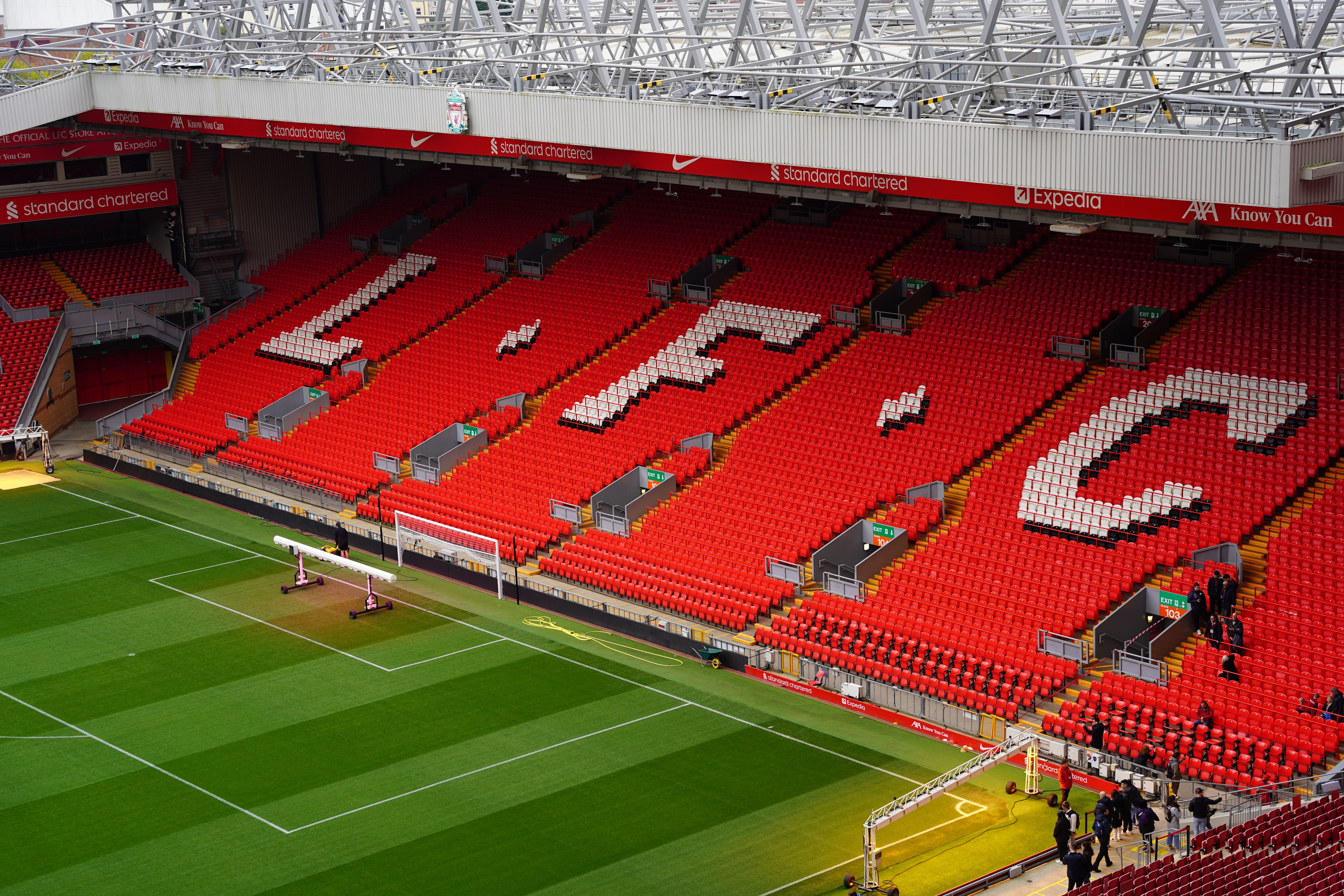
The 'Anfield curse,' specifically in the context of Tottenham Hotspur, refers to their remarkably poor and consistently unsuccessful record when playing away against Liverpool at their home stadium, Anfield. It's more than just a losing streak; it’s a deeply ingrained narrative within English football, a statistical anomaly that highlights a profound imbalance between two of the Premier League's 'Big Six' clubs when they meet in a specific venue. For Tottenham, Anfield has become a fortress that they simply cannot breach, a place where their ambitions often crumble under the weight of history and the relentless pressure exerted by their hosts.
Historically, this 'curse' can be traced back decades. While Tottenham has enjoyed periods of success against Liverpool at their own stadium (the Tottenham Hotspur Stadium, and before that, White Hart Lane), and even in neutral venues, their trips to Anfield have almost always ended in disappointment. It’s not uncommon for top teams to have difficult away grounds, but the extent and duration of Tottenham’s struggles against Liverpool at Anfield are unique. It transcends managerial changes, shifts in playing personnel, and even significant gaps in the quality or form of the two teams. Even during seasons when Tottenham has been flying high, challenging for titles or securing Champions League spots, their visit to Anfield often sees a reversion to a familiar, frustrating script.
The term 'curse' itself, while obviously not literal, encapsulates the feeling of inevitability that surrounds these matches. It suggests a force beyond normal sporting explanations – a blend of psychological barriers, an almost tangible sense of the crowd's influence, and perhaps even a degree of fate. It’s a narrative that builds upon itself with each passing season, each failed attempt, making the challenge for Tottenham even greater. For fans, it's a source of both exasperation and morbid curiosity, wondering if *this* will be the year the 'curse' is finally broken, only to often witness history repeat itself.
This curse is significant because it's not just about points on the table; it's about bragging rights, historical narratives, and the mental fortitude of a team. For Liverpool, it's a badge of honor, a testament to Anfield's intimidating atmosphere and their consistent ability to dominate top opposition at home. For Tottenham, it's a persistent thorn in their side, a psychological hurdle that needs to be overcome if they are truly to establish themselves as consistent challengers for the highest honors in English and European football.
Why is it Important?
The 'Anfield curse' surrounding Tottenham's struggles against Liverpool isn't just a quirky football statistic; it carries significant weight and importance for multiple stakeholders within the beautiful game. Its impact reverberates across the clubs, their fan bases, the wider Premier League narrative, and even the psychology of the sport itself.
For Tottenham Hotspur: A Persistent Psychological Barrier
For Tottenham, this curse is more than just losing three points on a given matchday; it's a deeply entrenched psychological barrier. Every season, as the fixture list throws up the trip to Anfield, there’s an immediate sense of trepidation among players, staff, and fans alike. This inherent expectation of failure, however subconscious, can permeate a team’s preparation and performance. It creates an uphill battle before a ball is even kicked. Breaking this curse would not only secure crucial points but, more importantly, would represent a monumental psychological breakthrough. It would signal a new era of mental fortitude and self-belief, suggesting that Spurs can truly overcome any challenge, anywhere. Conversely, its continuation reinforces doubts and fuels narratives about Tottenham's perceived lack of a 'winning mentality' or their inability to perform on the biggest stages against the toughest opponents.
For Liverpool FC: A Symbol of Dominance and Home Advantage
For Liverpool, the 'Anfield curse' is a source of immense pride and a powerful symbol of their home dominance. It underscores the unique atmosphere of Anfield, often cited as one of the most intimidating stadiums in world football, where the Kop's roar can genuinely affect match outcomes. Maintaining this record against a fellow 'Big Six' rival like Tottenham reinforces Liverpool's status as an elite club and a perennial title contender. It also provides a significant psychological advantage; Liverpool players know they are stepping onto a pitch where they have rarely, if ever, faltered against this particular opposition. This confidence can translate into more aggressive, front-foot performances, knowing that history is on their side. It's part of the club's identity and contributes to the mystique of Anfield as a fortress.
For the Premier League Narrative: A Defining Rivalry Feature
In the broader context of the Premier League, this specific dynamic adds a fascinating layer to the narrative. It’s a talking point that pre-dates every Liverpool vs. Tottenham fixture, providing endless debate for pundits, commentators, and fans. It highlights the competitive intensity of the league and how even the best teams can have their Achilles' heel. The 'curse' makes these matches more than just another game; they become a test of character, a quest for historical redemption for one side, and a desire to maintain an impressive record for the other. It contributes to the rich tapestry of stories that make the Premier League so compelling and globally popular.
For Fans and Media: Engagement and Storytelling
Both Liverpool and Tottenham fans, along with the global football media, are deeply invested in this ongoing saga. For Liverpool supporters, it's a point of banter and pride. For Spurs fans, it's a source of anguish but also a focal point of their hopes and dreams each season. The media loves a compelling narrative, and the 'Anfield curse' provides excellent material for pre-match build-ups, post-match analyses, and evergreen discussions. It drives engagement, generates clicks, and fuels the endless conversations that are central to modern football culture. Whether it's discussing the impact of specific players, managerial strategies, or the sheer weight of history, the 'curse' keeps the conversation alive and vibrant.
In essence, the 'Anfield curse' is important because it encapsulates the multifaceted nature of football: a blend of skill, tactics, psychology, history, and raw emotion. It's a testament to the enduring power of home advantage and the profound impact that historical trends can have on contemporary sporting contests.
A Deep Dive into the History: Tottenham's Anfield Agony
To truly understand the depth of Tottenham's struggles at Anfield, we must embark on a historical journey, tracing the roots of this 'curse' through decades of English football. It's a narrative woven with moments of brilliance from Liverpool, valiant but ultimately futile efforts from Spurs, and an undeniable pattern that has held firm against the tides of change in the sport.
The Genesis of the Struggle: Early Encounters and Liverpool's Rise (1960s-1970s)
While Tottenham had some notable successes against Liverpool in the earlier part of the 20th century, particularly at home, the true 'curse' began to take shape with Liverpool's ascendance as a dominant force in English and European football. Under managerial legends like Bill Shankly and Bob Paisley, Liverpool transformed into a relentless winning machine. During the 1960s and 70s, Anfield became an impenetrable fortress for most visiting teams, and Tottenham was no exception. These were eras where Liverpool consistently challenged for and won league titles, FA Cups, and European trophies, while Tottenham, despite flashes of brilliance, often played second fiddle. The foundations of Liverpool’s enduring home advantage were laid during this period, and Spurs frequently found themselves on the wrong end of tight, hard-fought encounters.
One particular pattern emerged: Liverpool’s ability to grind out results, often with late goals or through sheer force of will, was something Tottenham struggled to counter on Merseyside. The atmosphere, even then, played a significant role, with the Kop acting as a formidable 12th man, urging their team on and making life incredibly difficult for opponents.
The 1980s and 1990s: Flickers of Hope, Crushing Realities
The 1980s saw Tottenham enjoy some periods of strong performance, even winning the FA Cup multiple times. However, their Anfield record remained stubbornly poor. Despite having talented squads featuring players like Glenn Hoddle and Ossie Ardiles, breaking Liverpool’s grip at home proved elusive. The Reds continued their trophy-laden run, often overpowering Spurs in head-to-head encounters at Anfield.
A memorable moment for Tottenham fans came in 1986, when they secured a 3-2 victory at Anfield. This result, however, proved to be an exception rather than a turning point. It momentarily lifted the spirits, but the underlying trend of struggles quickly reasserted itself. The 1990s brought the advent of the Premier League, and while both clubs went through transitional phases, Liverpool’s home dominance against Tottenham largely persisted. Even when Spurs had impressive individual talents, they often lacked the collective resilience or tactical nous to consistently get a result at Anfield. Matches during this era were often characterized by Liverpool’s high-pressing game and Tottenham’s inability to cope with it, leading to turnovers and goals.
The Premier League Era: A Modern-Day Enigma (2000s-Present)
The 2000s and 2010s have seen Tottenham evolve into a consistent top-four contender, challenging for Champions League places and even mounting a couple of serious title challenges under managers like Mauricio Pochettino. Yet, the Anfield curse has remained stubbornly intact, defying the improvements in Tottenham’s overall squad quality and tactical sophistication. This is perhaps the most perplexing aspect of the curse, as it has continued even when the gap in quality between the two teams has ostensibly narrowed.
Key Matches and Trends of the 21st Century:
- The Rafa Benítez Era (Liverpool) vs. Martin Jol/Harry Redknapp (Tottenham): During this period, Liverpool was a formidable European force, known for its defensive solidity and tactical discipline. Tottenham, while improving, often found themselves outmaneuvered or simply outfought at Anfield. Even when Spurs showed glimpses of brilliance, like in the 2008-09 season where they started to break into the top tier, Anfield remained an unconquered territory.
- The Mauricio Pochettino Era: Near Misses and Heartbreak (2014-2019): This was arguably Tottenham’s strongest period in recent memory, featuring a team that played exciting, high-intensity football and reached a Champions League final. Yet, Anfield proved to be their nemesis. Many of these matches were incredibly tight, often decided by fine margins, contentious decisions, or late goals. A prime example is the 2017-18 season, where a dramatic 2-2 draw was secured by a last-minute Harry Kane penalty, but even that wasn't a win. The 2018-19 season saw a crucial late Toby Alderweireld own goal hand Liverpool a 2-1 victory, a result that significantly impacted the title race. These games highlighted that even when Tottenham were tactically astute and had world-class players, the weight of history and the intensity of Anfield often tipped the scales.
- The Jürgen Klopp Era (Liverpool) vs. Post-Pochettino Tottenham: Under Jürgen Klopp, Liverpool reached new heights, winning the Premier League and Champions League. Their brand of 'Gegenpressing' and relentless attacking football, coupled with the renewed power of Anfield, made the task for Tottenham even harder. Subsequent Spurs managers like José Mourinho, Nuno Espírito Santo, Antonio Conte, and Ange Postecoglou have all faced the same challenge, often leaving Anfield with losses. Matches are frequently characterized by Liverpool's quick starts, suffocating press, and ability to exploit any defensive lapse from Spurs.
The pattern is clear: regardless of the managers in the dugouts, the players on the pitch, or the respective form of the two teams, Anfield consistently proves to be a bridge too far for Tottenham. It's a testament to Liverpool's enduring strength at home and the almost mythical status the stadium holds. The 'curse' is not just a historical footnote; it is a live, active challenge that continues to define this particular Premier League fixture.
Tactical Tussles: How Liverpool Dominates at Anfield
The 'Anfield curse' is not merely a consequence of bad luck or historical coincidence; it's deeply rooted in the tactical superiority and strategic consistency Liverpool has often displayed when hosting Tottenham. While individual player brilliance plays a part, it’s the collective tactical approach that consistently gives Liverpool the edge.
Liverpool’s Relentless Press and High Intensity
One of the most defining characteristics of Liverpool’s home game, particularly under Jürgen Klopp, is their ferocious, high-intensity pressing game, often dubbed 'Gegenpressing.' At Anfield, this style is amplified. From the first whistle, Liverpool often aims to overwhelm opponents, pushing high up the pitch, winning the ball back quickly, and launching waves of attacks. Tottenham, historically, has struggled to cope with this sustained pressure. Their defenders and midfielders often find themselves rushed into making decisions, leading to turnovers in dangerous areas.
The speed and aggression with which Liverpool contests every ball in their own half and in Tottenham’s half suffocates Spurs’ ability to build play from the back. Tottenham, who often prefer to play a possession-based, intricate passing game, find their rhythm disrupted. This tactical approach is particularly effective at Anfield because the crowd feeds off this intensity, creating an electrifying atmosphere that further fuels Liverpool's energy and intimidates the opposition.
Exploiting the Flanks: Full-Back Overlaps and Wide Forwards
Another consistent tactical advantage for Liverpool at Anfield has been their exploitation of the wide areas. Over the years, particularly in the modern era with players like Trent Alexander-Arnold and Andrew Robertson, Liverpool’s full-backs have been instrumental in their attacking play. Their overlapping runs, pinpoint crosses, and ability to create chances from deep positions stretch opposition defenses thin. Coupled with inside-forward threats like Mohamed Salah and Sadio Mané (and later Luis Díaz), Liverpool creates numerical overloads in wide areas, forcing Tottenham's full-backs deep and isolating their central defenders.
Tottenham, at times, has struggled to find the right balance to counter this. If their wide midfielders or wingers don't track back diligently, their full-backs become exposed. If they do track back, it reduces Tottenham’s attacking threat, leaving their forwards isolated. This tactical conundrum often plays directly into Liverpool’s hands, allowing them to dominate possession in dangerous areas and create a high volume of chances.
Anfield's Influence: The Intangible Tactical Factor
While not a 'tactic' in the traditional sense, Anfield itself plays a crucial role in Liverpool’s tactical dominance. The stadium's compact nature, the proximity of the fans to the pitch, and the sheer volume of the Kop's support create an environment that significantly impacts the game. For Liverpool, it’s an empowering factor that encourages their high-energy, aggressive style. For Tottenham, it can be mentally draining and physically exhausting.
Opposing teams often find themselves making uncharacteristic errors due to the constant noise and pressure. Liverpool players, on the other hand, seem to thrive on it, gaining an extra yard of pace or an extra ounce of determination. This intangible factor becomes a tactical weapon, wearing down the opposition and making them more susceptible to Liverpool’s relentless approach in the latter stages of matches.
Set-Piece Prowess and Defensive Solidity
Liverpool also consistently demonstrates tactical acumen in set-piece situations, both offensively and defensively. They have historically boasted strong aerial threats and excellent delivery, leading to goals from corners and free-kicks. Tottenham, at times, has shown vulnerabilities in defending set-pieces, which Liverpool have ruthlessly exploited at Anfield.
Defensively, Liverpool’s organization and individual quality, particularly in central defense with players like Virgil van Dijk, have been exemplary at home. They have often managed to nullify Tottenham’s key attacking threats – be it Harry Kane, Son Heung-min, or others – by cutting off supply lines and denying them space in dangerous areas. This defensive solidity, combined with their attacking prowess, creates a well-rounded tactical dominance that Tottenham finds incredibly difficult to penetrate or overcome.
In summary, Liverpool’s Anfield dominance over Tottenham is a carefully constructed tactical masterpiece. It's built on high-intensity pressing, effective wide play, formidable set-piece execution, defensive resilience, and the invaluable psychological boost of their home crowd. These elements combine to create an environment where Tottenham's tactical plans often unravel, contributing significantly to the enduring 'Anfield curse.'
Common Mistakes / Misconceptions
The 'Anfield curse' is a multifaceted phenomenon, and while historical trends and tactical superiority play significant roles, several common mistakes and misconceptions often perpetuate Tottenham's struggles at Liverpool's home ground. Understanding these can shed further light on why the hex remains unbroken.
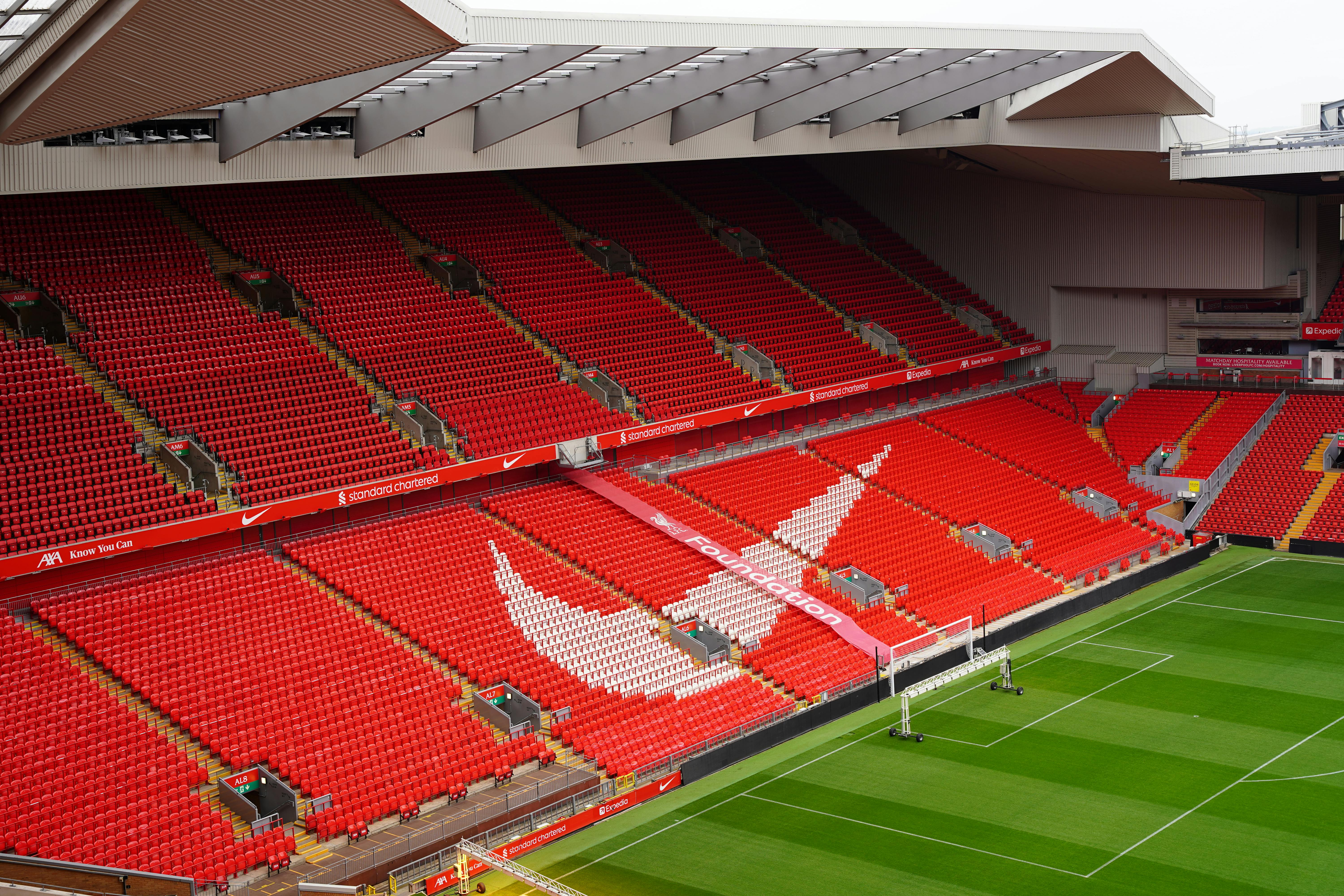
- Mistake 1: Underestimating Anfield's Atmosphere: Many teams, including Tottenham, often acknowledge Anfield's intimidating atmosphere in pre-match interviews, but perhaps fail to truly prepare for its overwhelming impact. It's one thing to talk about the Kop; it's another to experience a European night or a crucial league fixture under its full roar. Players, even experienced internationals, can be visibly affected. Early errors, misplaced passes, or a momentary loss of concentration can be directly linked to the incessant pressure from the crowd. Tottenham players often seem to shrink rather than rise to the occasion, allowing the atmosphere to dictate the tempo and energy of the game, rather than imposing their own. This isn't a mere background noise; it's an active participant in Liverpool's home game, and failing to psychologically brace for it is a recurring error.
- Mistake 2: Tactical Naivety or Overthinking: Tottenham managers, in their desperation to break the curse, sometimes either approach the game too cautiously or overthink their tactical setup.
- Being Too Cautious: Historically, some Spurs teams have gone to Anfield with a defensive mindset, hoping to absorb pressure and snatch a draw or a smash-and-grab win. However, Liverpool, especially under managers like Jürgen Klopp, thrives against teams that sit deep, as it allows them to control possession, launch wave after wave of attack, and ultimately wear down the opposition. Parking the bus at Anfield often prolongs the agony rather than preventing it.
- Overthinking: Conversely, some managers might try to implement overly complex or unfamiliar tactical systems specifically for Anfield, which can confuse players and disrupt team cohesion. Trying to nullify Liverpool's strengths by completely abandoning their own identity can backfire, leaving players feeling unsure and vulnerable. The balance between respecting the opponent and playing to your own strengths is crucial, and Tottenham has often struggled to strike it at Anfield.
- Mistake 3: Failing to Capitalize on Key Moments: Football matches, especially at the highest level, are often decided by fine margins and crucial moments. Tottenham, even in their losses at Anfield, have often created chances, had periods of dominance, or been presented with golden opportunities. A common mistake has been their inability to convert these chances or to defend critical set-pieces or counter-attacks effectively. A missed penalty, a shot off the post, or a momentary defensive lapse often proves incredibly costly against Liverpool, who are ruthless in punishing such errors. The belief that they *must* score when the opportunity arises, because such opportunities are rare at Anfield, sometimes leads to a lack of composure.
- Mistake 4: Believing in the 'Curse' Itself (Psychological Impact): While the 'Anfield curse' is a descriptive term for a statistical trend, a significant misconception can arise if players and staff start to believe it as an actual, insurmountable hex. This psychological barrier can be incredibly damaging. If a team walks onto the pitch already half-expecting to lose, or fearing a repeat of past failures, it can lead to a self-fulfilling prophecy. Body language can become negative, decision-making can be hampered by anxiety, and resilience might wane quicker when conceding a goal. Overcoming this mental block is perhaps as important as any tactical adjustment. The narrative of the curse, while engaging for fans, can become a heavy burden for the players on the pitch.
By understanding and addressing these common mistakes and misconceptions, Tottenham could theoretically begin to dismantle the psychological and tactical framework that has sustained the 'Anfield curse' for so long. It requires not just better performances, but a fundamental shift in mindset and preparation.
Benefits of Breaking the 'Anfield Curse'
While the 'Anfield curse' has long been a source of frustration for Tottenham Hotspur, the potential benefits of finally breaking this long-standing hex would be monumental, extending far beyond the immediate three points gained. It would mark a transformative moment for the club, with ripple effects across their identity, ambition, and perception within the football world.
- Benefit 1: A Monumental Psychological Breakthrough: This is perhaps the most significant benefit. For decades, the narrative surrounding Tottenham at Anfield has been one of struggle and inevitable defeat. Breaking this curse would dismantle a deeply ingrained psychological barrier that has affected players, managers, and fans alike. It would instill an unprecedented level of self-belief and mental fortitude within the squad, proving that they can overcome historical adversity and perform under the most intense pressure. This newfound psychological resilience could then transfer to other challenging fixtures, giving Spurs an edge in crunch matches and potentially helping them secure trophies. It would signify a true coming-of-age for the club’s mentality, moving from a team that often 'spursy' to one that can consistently overcome formidable challenges.
- Benefit 2: Bolstering Title and Top-Four Ambitions: In the cutthroat environment of the Premier League, every point is vital, especially against direct rivals. Historically, Tottenham's poor record at Anfield has often cost them crucial points in their pursuit of the top four or even a league title. A victory at Anfield would not only secure three precious points but also deny them to a direct competitor. This could be the difference between Champions League qualification and missing out, or between challenging for the title and falling short. Consistently picking up points from historically difficult away grounds is a hallmark of genuine title contenders, and breaking the Anfield curse would firmly place Tottenham in that category. It would demonstrate their capability to compete at the very highest level, on any given Sunday, anywhere.
- Benefit 3: A Resounding Statement to Rivals and the Football World: Breaking the Anfield curse would send a powerful message to the entire footballing world. It would signal Tottenham's arrival as a truly formidable force, capable of going head-to-head with the league's elite and emerging victorious even in their toughest environments. It would change the narrative from one of perennial underperformers in big games to a team that can seize the moment. Rivals would no longer view Anfield as an automatic three points for Liverpool against Spurs, forcing them to re-evaluate Tottenham's threat. This enhanced reputation could also make the club more attractive to top-tier players and managers, as it demonstrates a winning mentality and ambition.
- Benefit 4: Erasing a Historical Stain and Reinvigorating the Fanbase: For the long-suffering Tottenham faithful, a victory at Anfield would be a moment of pure catharsis. It would erase a historical stain that has lingered for generations, providing immense joy and bragging rights. The constant banter from rival fans would finally be silenced, at least on this particular front. This emotional release would reinvigorate the fanbase, fostering a deeper sense of pride, unity, and optimism for the future. It would be a shared memory that binds supporters and players, creating a powerful foundation for future successes. The narrative of the 'Anfield curse' would transform from a painful memory into a historical footnote, highlighting the club's growth and determination.
- Benefit 5: Validation for Managers and Tactical Approaches: For any Tottenham manager who finally achieves this feat, it would be a huge validation of their tactical approach, leadership, and ability to inspire their team. It would demonstrate that their strategies can overcome even the most formidable historical obstacles. This success would provide a template for future challenging away games and reinforce the belief in the manager's vision and methods within the club. It would also showcase that specific tactical adjustments, combined with mental preparation, can indeed overturn long-standing trends, inspiring other teams facing similar 'curses' or difficult fixtures.
Ultimately, breaking the 'Anfield curse' is not just about one game; it's about a fundamental shift in Tottenham Hotspur's identity and trajectory. It would be a symbolic victory that could unlock greater successes and solidify their position among Europe's footballing elite.
FAQs
1. When was the last time Spurs won at Anfield?
Tottenham's last victory against Liverpool at Anfield in a competitive fixture dates back to a significant match in the Premier League on May 11, 2011. On that day, a goal from Rafael van der Vaart and a penalty from Luka Modrić secured a 2-0 win for Spurs under manager Harry Redknapp. This victory was particularly notable as it came during a period when Tottenham was challenging for a Champions League spot and represented a rare moment of triumph for the club on Merseyside. However, since that memorable afternoon, Tottenham has endured a long and frustrating winless streak at Anfield, comprising numerous draws and losses, which has only further cemented the narrative of the 'Anfield curse' in the minds of fans and pundits alike.
2. What is Tottenham's overall record against Liverpool at Anfield?
Tottenham's overall record against Liverpool at Anfield in league competitions is heavily skewed in Liverpool's favor. As of recent seasons, out of over 80 league encounters at Anfield, Tottenham has secured a relatively small number of victories, often fewer than 10. The vast majority of these matches have resulted in wins for Liverpool, with a smattering of draws. This comprehensive historical imbalance underscores the significant challenge Anfield presents for Tottenham. It's not just a recent phenomenon; this disparity reflects decades of Liverpool's consistent dominance over Spurs on their home turf, contributing directly to the formidable reputation of the 'Anfield curse.' The statistical trend highlights a deep-seated pattern that has proven incredibly difficult for numerous Tottenham squads and managers to reverse.
3. How does the Anfield atmosphere affect visiting teams?
The Anfield atmosphere is widely regarded as one of the most intense and electrifying in world football, and it significantly impacts visiting teams. The sheer volume and passion generated by the Liverpool faithful, particularly from the iconic Kop stand, create an intimidating environment that can be overwhelming. This constant roar can make communication difficult for opposing players, potentially leading to errors or misunderstandings on the pitch. Psychologically, it can also play a major role: the unwavering support for Liverpool can boost the home side's energy levels and resilience, especially when they need a lift, while simultaneously draining the confidence and resolve of the opposition. Many players and managers from rival teams have spoken about how the Anfield crowd can genuinely feel like an extra man for Liverpool, subtly (or not so subtly) influencing the flow and outcome of matches by sheer force of collective will and passion.
4. Have other teams struggled as much at Anfield?
While many top teams find Anfield a difficult place to visit, Tottenham's struggles against Liverpool at their home ground are particularly pronounced and historically consistent, making their 'curse' almost unique among the Premier League's 'Big Six.' Other clubs like Manchester United, Chelsea, Arsenal, and even Manchester City have had their periods of success and occasional victories at Anfield, even if their overall records there might still favor Liverpool. These clubs have managed to break through with wins in recent memory, demonstrating that while challenging, it is not an entirely insurmountable task for them. Tottenham's winless streak, extending for well over a decade, stands out as a significant anomaly, reinforcing the idea that there's a specific, deep-seated issue that affects Spurs more than other traditional rivals when they step onto the Anfield pitch.
5. Is there a psychological element to the 'Anfield Curse'?
Absolutely, there is a very strong psychological element to the 'Anfield Curse.' When a team has such a long and consistent history of struggling at a particular venue against a specific opponent, it inevitably creates a mental block. Players, consciously or subconsciously, enter these games with the weight of past failures on their shoulders. This can manifest as anxiety, tentative decision-making, a lack of self-belief in crucial moments, or a quicker loss of resilience after conceding a goal. The narrative of the 'curse' itself, constantly discussed by media and fans, can become a self-fulfilling prophecy. Overcoming this psychological hurdle is arguably as important as any tactical adjustment or individual performance. It requires a monumental shift in mindset to truly believe that history can be defied, and that a new chapter can be written on the Anfield turf.
Conclusion
The 'Anfield curse' – Tottenham Hotspur's enduring struggle against Liverpool at their iconic home ground – is far more than just a historical footnote. It's a living, breathing narrative that encapsulates decades of footballing drama, psychological battles, and tactical masterclasses. We've journeyed through the annals of history, dissecting the consistent patterns of Liverpool's dominance, understanding the various tactical elements that have contributed to their stronghold, and exploring the common pitfalls that have often thwarted Tottenham's ambitions on Merseyside. From the relentless pressing of Liverpool's formidable teams to the intangible yet powerful influence of the Anfield atmosphere, every factor seems to conspire against the Lilywhites.
Yet, while the curse casts a long shadow, its eventual breaking holds immense potential. It would signify not just a victory on the scoreboard, but a profound psychological breakthrough, a statement of intent to rivals, and a moment of unparalleled joy and validation for a long-suffering fanbase. It would cement a manager's legacy and bolster Tottenham's aspirations for consistent elite-level success, proving that no challenge, however historically daunting, is truly insurmountable.
The quest to break the Anfield curse remains one of English football's most compelling ongoing storylines. Will a future Tottenham squad be the one to finally rewrite history, silencing the Kop and ending decades of agony? Only time will tell. Until then, every encounter at Anfield promises not just a football match, but another chapter in this enduring, fascinating saga. For those who love the unpredictable drama of football, and perhaps wish to engage further with the beautiful game, remember that every match offers a new opportunity for excitement. You can explore a wide range of sports events and potentially even place a wager on who might finally break the next 'curse' by visiting 1Xbet and signing up today.
Ultimately, the Anfield curse is a testament to the magic and mystery of football, reminding us that sometimes, the greatest battles are fought not just on the pitch, but against the formidable weight of history itself. When will Tottenham finally slay this dragon? The anticipation continues to build, making every future clash between these two giants a must-watch event.














Post a Comment
0 Comments