
Vinicius Jr Controversy and Football's Racism Problem
TL;DR (Quick Answer)
The Vinicius Jr controversy highlights football's deep-rooted systemic racism, fueled by repeated on-field abuse and inadequate responses. Ongoing investigations and player advocacy are driving a critical, albeit slow, shift towards greater accountability and a more inclusive future for the sport.
Introduction
In the vibrant, passionate world of football, few names evoke as much excitement and, unfortunately, as much controversy as Vinicius Jr. The electric Brazilian winger, a dazzling talent for Real Madrid, has repeatedly found himself at the center of a storm not for his breathtaking goals or mesmerising dribbles, but for something far more insidious: racial abuse. This isn't just about one player or a few isolated incidents; the persistent targeting of Vinicius Jr has ripped open a long-festering wound, exposing the uncomfortable truth of systemic racism within the beautiful game. Why does this controversy keep resurfacing? What does it tell us about the state of football today? And, more importantly, what can we, as fans and stakeholders, do about it? In this deep dive, we’ll explore the underlying currents of racism, the ongoing investigations, and the critical trend towards demanding real change in sports, hoping to foster a more inclusive and respectful environment for everyone involved.
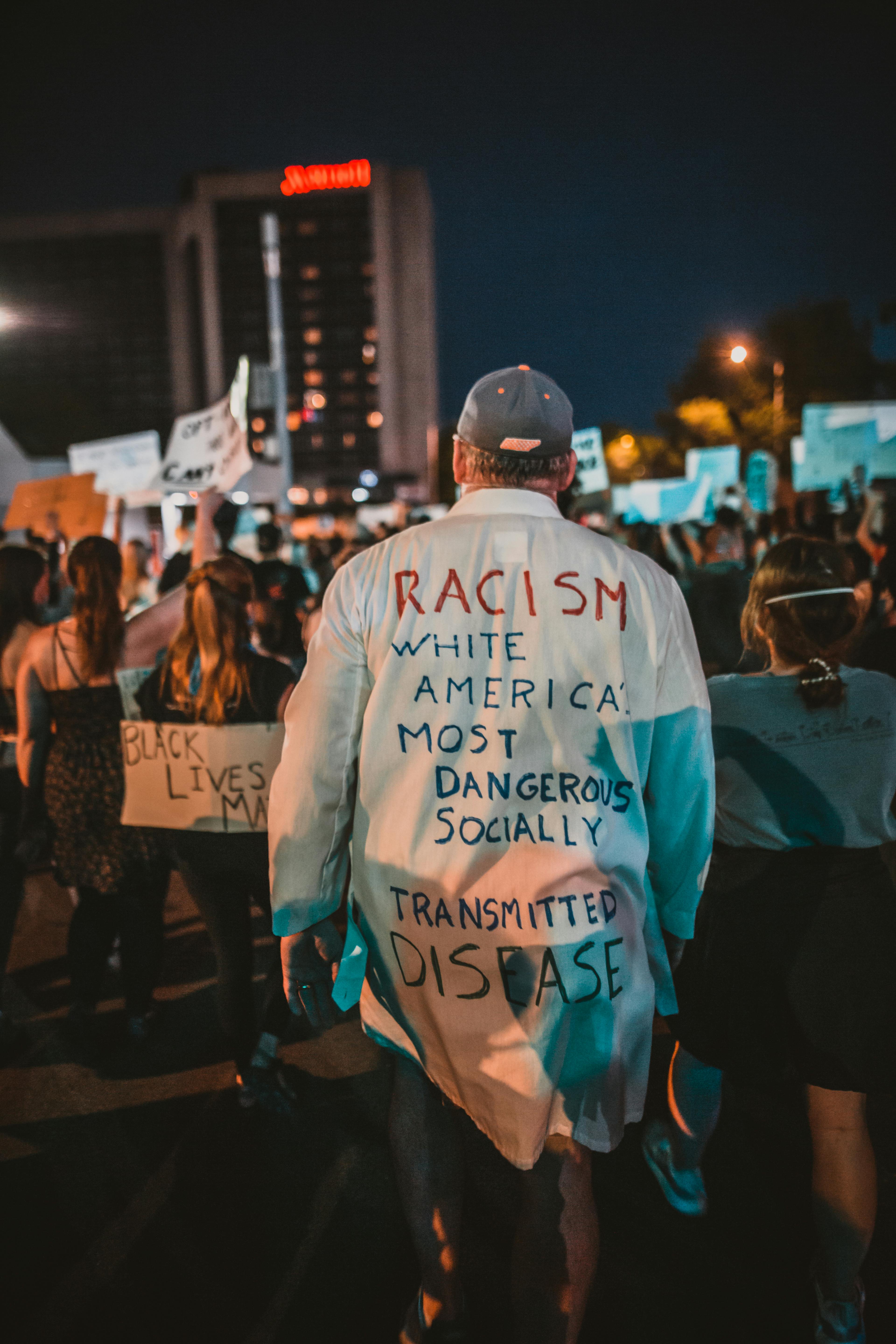
What is the Vinicius Jr Controversy?
At its core, the Vinicius Jr controversy refers to the repeated and often egregious instances of racial abuse directed at the Real Madrid star by opposition fans, particularly in Spain's La Liga. Imagine being a world-class athlete, giving your all on the pitch, only to be met with monkey chants, racist slurs, and even effigies hung from bridges. That's been the horrifying reality for Vinicius Jr. These aren't isolated heckles; they are often coordinated, sustained attacks that cross a line from passionate rivalry into blatant hatred. It's a pattern of abuse that has left many wondering why one of the sport's brightest talents is subjected to such venom simply because of the color of his skin.
The controversy gained significant global attention in May 2023 during a match against Valencia at Mestalla Stadium. During that game, Vinicius Jr pointed out fans who were racially abusing him, leading to a stoppage of play and a heated confrontation. He was even sent off later in the game, ironically after being provoked. This incident, streamed live to millions, became a watershed moment. It wasn't just another game; it was a stark, undeniable display of racism on football's grand stage, forcing the world to confront an issue many hoped had been relegated to the past. The player's raw emotion, his tears, and his defiant stance against the abuse resonated far beyond the football pitch, igniting a global conversation about accountability and justice within the sport.
But the Valencia incident was far from the first. There have been numerous other occasions: chants of 'Vinicius, you are a monkey' at stadiums, the hanging of an effigy wearing his shirt from a bridge before a Madrid derby, and constant online harassment. Each instance, while horrific on its own, adds to a larger narrative of a player being systematically targeted. The controversy isn't just about the abuse itself; it's also about the perceived slow or insufficient response from authorities, clubs, and governing bodies, which often leaves victims feeling isolated and perpetrators emboldened. This cycle of abuse and inadequate action is precisely why the 'Vinicius Jr controversy' has become a powerful symbol for the broader struggle against racism in football, sparking a renewed push for meaningful change.
Why is Systemic Racism in Football Important?
Understanding why systemic racism in football matters goes far beyond just feeling sympathy for Vinicius Jr. It's about the very soul of the sport, its values, and its impact on society. When we talk about 'systemic racism,' we're not just pointing fingers at a few bad apples in the crowd. We're talking about the ingrained patterns, policies, and cultural norms – both explicit and implicit – that allow racial discrimination to persist, often unchecked, within the structures of football. It's important for several critical reasons:
Firstly, it deeply harms the players. Imagine dedicating your life to a sport, reaching the pinnacle of your profession, and then having your passion and performance overshadowed by vile, dehumanizing abuse. It takes a severe toll on mental health, performance, and overall well-being. Players, especially those from marginalized backgrounds, are often forced to carry the burden of fighting racism while simultaneously trying to excel at their demanding jobs. This isn't just unfair; it's a fundamental failure to protect the very individuals who make the sport what it is.
Secondly, it erodes the integrity and joy of the game. Football is meant to be a unifying force, a source of collective joy and healthy competition. When racism rears its ugly head, it poisons that atmosphere. It drives away potential fans, especially those from diverse backgrounds, who feel unwelcome or unsafe. It transforms stadiums from places of celebration into arenas of hostility. If the sport cannot guarantee a basic level of respect and safety for its participants and spectators, it loses its moral compass and its universal appeal.
Thirdly, football has an immense global platform and a unique power to influence society. It's more than just a game; it's a cultural phenomenon. When racism is tolerated or inadequately addressed in football, it sends a dangerous message that such behavior is acceptable, or at least not severely punishable. Conversely, when football takes a strong, unequivocal stand against racism, it can be a powerful force for positive change, setting an example for communities worldwide. The importance lies in recognizing that the battle against racism in football isn't just about football; it's a microcosm of the larger societal struggle for equality and justice. Ignoring it means failing not only the players but also the millions of fans who believe in the beautiful game's potential to inspire and unite.
A Timeline of Incidents and Responses
- Early Incidents & Growing Frustration (2021-2022) – Vinicius Jr's dazzling rise to prominence at Real Madrid began to attract unwanted attention. Early instances of racial abuse, primarily chants from opposing fans, started to surface. These were often dismissed as isolated events or 'part of the game,' leading to a growing sense of frustration among anti-racism advocates and the player himself. Responses from La Liga and the Spanish Football Federation (RFEF) were often reactive, issuing statements or opening investigations, but without leading to significant, visible changes in fan behavior or severe penalties for clubs. The sense was that while incidents were condemned, the systemic issue wasn't being truly tackled.
- The Madrid Derby Effigy (January 2023) – Prior to a Copa del Rey match between Real Madrid and Atlético Madrid, an effigy of Vinicius Jr, wearing his shirt, was hung from a bridge near Real Madrid's training ground with a banner reading 'Madrid hates Real.' This was a shocking escalation, moving beyond verbal abuse to a clear, premeditated act of hate. This incident sparked widespread condemnation, including from both Madrid clubs, La Liga, and Spanish authorities. Police launched an investigation, eventually leading to arrests, but the chilling nature of the act highlighted the deep-seated hatred Vinicius was facing.
- The Valencia Mestalla Incident (May 2023) – This was arguably the most globally recognized and impactful event. During a La Liga match at Valencia's Mestalla stadium, Vinicius Jr was subjected to sustained monkey chants. He identified fans responsible, leading to a temporary halt in play and an emotional confrontation with the referee and opposing players. He later received a red card for an altercation, which many argued was a direct result of the provocation. The raw emotion displayed by Vinicius Jr, his tears, and his defiant post-match statement on social media ('La Liga belongs to racists') brought the issue to a global audience. The response was immediate and intense:
- La Liga: Initially, La Liga was criticized for its perceived slow and insufficient response. However, under immense pressure, they filed more complaints with judicial authorities than ever before.
- RFEF: The Spanish Football Federation overturned Vinicius Jr's red card and ordered the partial closure of the Mestalla stadium stand where the abuse occurred for five matches, along with a fine for Valencia.
- FIFA & UEFA: Both international governing bodies condemned the incidents, with FIFA President Gianni Infantino expressing solidarity and proposing more stringent measures, including forfeiture of matches for repeat offenses.
- Brazilian Government: Brazil's government expressed strong condemnation and called for concrete action from Spanish authorities.
- Global Outcry & Increased Scrutiny (Post-May 2023) – The Mestalla incident served as a wake-up call. Vinicius Jr became a global symbol of the fight against racism in football, receiving widespread support from fellow players, celebrities, and political figures. This led to increased scrutiny on La Liga and Spanish football to implement more effective anti-racism protocols. The dialogue shifted from merely condemning incidents to demanding proactive, systemic changes.
- Ongoing Investigations & New Protocols (Late 2023 - Present) – Following the heightened awareness, Spanish police continued investigations into various incidents, leading to arrests and prosecutions of individuals. La Liga, under pressure, announced new initiatives, including the power for referees to stop games directly and even for clubs to be deducted points for racist incidents. Vinicius Jr himself continued to be an outspoken advocate, actively participating in anti-racism campaigns and using his platform to push for change. However, sporadic incidents of abuse continued to occur, albeit with increased vigilance and quicker responses, indicating that while progress is being made, the battle is far from over.
This timeline illustrates a concerning pattern of abuse met with a gradual, often reactive, increase in response and commitment from football authorities. The persistence of the controversy underscores the deep-seated nature of the problem, but also the growing determination of players and advocates to finally eradicate it.
Comparison Table: How Different Leagues and Federations are Tackling Racism
Combating racism in football requires a unified, robust approach, yet different leagues and governing bodies have varied strategies and levels of effectiveness. Here's a comparison:

Common Mistakes / Misconceptions
- Mistake 1: 'It's just banter' or 'They're just passionate.' This is one of the most dangerous and pervasive misconceptions. Racial abuse is not 'banter.' It's not a harmless joke, nor is it simply an expression of intense rivalry. Banter is mutually understood good-natured teasing. Racial slurs, monkey chants, and hate speech are designed to dehumanize, intimidate, and inflict psychological harm. They carry centuries of oppressive history and pain. Dismissing it as 'just banter' minimizes the severe impact on the victim and normalizes unacceptable behavior, effectively giving a free pass to racists. True passion for football never involves hatred or discrimination.
- Mistake 2: 'It's only a few bad apples; it's not systemic.' While it's true that not every fan is racist, and often a minority are directly involved in racist acts, the issue becomes 'systemic' when the broader system (clubs, leagues, authorities, fellow fans) fails to effectively prevent, punish, and educate against such behavior. If incidents are repeatedly dismissed, if penalties are light, or if reporting mechanisms are ineffective, then racism is allowed to persist and fester within the system, making it systemic. The failure isn't just in the act itself, but in the environment that permits it to reoccur without robust consequences.
- Mistake 3: 'Players are too sensitive; they should just ignore it.' This misconception places the burden of dealing with racism onto the victim. It's an unfair expectation to demand that players, who are human beings, should simply 'suck it up' and continue performing when subjected to hateful abuse. Ignoring racism does not make it disappear; it emboldens the perpetrators and signals that their actions are tolerated. Players have a right to feel safe and respected in their workplace, just like anyone else. Speaking out, as Vinicius Jr has done, is not being 'sensitive'; it's a courageous act of self-preservation and advocacy for fundamental human dignity.
- Mistake 4: 'We dealt with racism in the past; it's not a big problem anymore.' While football has indeed made strides in combating racism over the decades, believing the problem is 'solved' is complacent and dangerous. The Vinicius Jr controversy, among many others, clearly demonstrates that racism has merely evolved or gone underground, only to resurface when given the opportunity. It's a continuous battle that requires ongoing vigilance, education, and proactive measures. Historical progress does not negate current challenges; it only highlights the need to keep pushing forward.
Benefits of Combating Racism in Football
The fight against racism in football isn't just about stopping something bad; it's about building something better. The benefits extend far beyond the pitch, enriching the sport and society as a whole:
- Benefit 1: A Safer, More Inclusive Environment for Players: This is perhaps the most direct and crucial benefit. When racism is effectively combated, players from all backgrounds, particularly those who have historically been targeted, can play and thrive without fear of abuse. This allows them to focus purely on their performance, express themselves freely, and enjoy their profession. A truly inclusive environment means that talent is nurtured regardless of ethnicity, leading to a more diverse and vibrant pool of athletes. It sends a clear message that their well-being and dignity are paramount.
- Benefit 2: Enhanced Reputation and Global Appeal of the Sport: Football prides itself on being 'the beautiful game,' a universal language understood across cultures. When marred by racism, this image is severely tarnished. By taking a strong stand and implementing effective anti-racism measures, football leagues, clubs, and governing bodies can restore and enhance their reputation. This, in turn, strengthens the sport's global appeal, attracting new fans, sponsors, and investors who want to be associated with a positive, progressive brand. It reinforces the idea that football is indeed a sport for everyone, transcending barriers.
- Benefit 3: Stronger Community Engagement and Social Impact: Football clubs are often pillars of their local communities. By actively fighting racism, they can become powerful agents of social change. Anti-racism initiatives can foster greater unity, understanding, and respect among fans from different backgrounds, both in the stadium and beyond. When clubs and players speak out and act, they influence public discourse, challenge prejudice, and inspire positive behavior in wider society. This amplifies football's potential to be a force for good, promoting values of equality and fairness to millions.
- Benefit 4: Improved Fan Experience and Atmosphere: No true fan wants to attend a match where hate speech or discrimination overshadows the excitement of the game. A stadium free from racism is a more welcoming, enjoyable, and safe space for everyone – families, children, and supporters of all ethnicities. When fans know that racist behavior will be swiftly and severely dealt with, it encourages positive fan culture and deters those who would disrupt the experience with their prejudice. This creates a better atmosphere, where the focus remains on the thrilling action on the pitch and the shared passion for the sport.
Ongoing Investigations and Legal Actions
The public outcry surrounding the Vinicius Jr incidents, particularly the Valencia match, has spurred more rigorous investigations and legal actions than seen in previous years. This is a critical trend, indicating a shift from mere condemnations to a demand for tangible consequences for perpetrators.
In Spain, following the May 2023 incident at Mestalla, judicial authorities launched a comprehensive investigation. The police identified and arrested several individuals suspected of racial abuse. These arrests are significant because they move beyond stadium bans – which are often difficult to enforce – to criminal charges. Spanish law prohibits acts of racism, xenophobia, and intolerance in sports, carrying potential fines and even prison sentences depending on the severity and context. The aim is to send a clear message that these actions have severe real-world repercussions, not just sporting sanctions.
La Liga itself, under pressure, has significantly increased the number of formal complaints it files with public prosecutors. Previously, it might have been seen as a passive observer, but now it is actively collecting evidence, identifying perpetrators through stadium cameras, and pushing for legal action. They’ve also initiated new protocols, such as granting referees the power to stop games more readily and, critically, exploring the possibility of clubs facing point deductions for repeat racist offenses. This moves beyond just punishing individuals to holding institutions accountable.
Beyond Spain, international bodies like FIFA and UEFA have also reinforced their anti-discrimination statutes. FIFA has repeatedly called for a 'zero-tolerance' approach and is exploring ways to standardize punishments across different leagues and federations, ensuring that robust action is taken irrespective of the country where an incident occurs. This global coordination is essential because racism is not confined to one nation.
However, challenges remain. The legal process can be slow and complex, and securing convictions for hate speech, especially in crowded stadium environments, can be difficult. There's also the ongoing debate about the adequacy of punishments – are fines and partial stadium closures truly enough to deter deeply ingrained prejudice? Despite these hurdles, the sustained focus on legal and punitive measures represents a crucial step forward. It underscores the understanding that until perpetrators face serious, consistent consequences, the cycle of abuse is unlikely to be broken. The shift towards treating racist acts as criminal offenses, not just sporting infractions, is arguably the most vital development in this ongoing battle.
FAQs
1. Why does Vinicius Jr seem to be targeted more than other players?
Vinicius Jr's high profile, his provocative and exciting style of play, and his status as a key player for Real Madrid often put him in the spotlight. Unfortunately, this visibility, combined with pre-existing racist elements within some fan bases, makes him a prominent target. His outspoken stance against racism has also made him a symbol, further drawing the ire of bigoted individuals.
2. What specific actions are football authorities taking to combat racism?
Authorities are implementing stricter match stoppage protocols (the three-step process), increasing fines and stadium closures for clubs, and supporting judicial investigations that lead to arrests and criminal charges for individual perpetrators. They are also focusing on educational campaigns and offering more support to affected players.
3. How can fans contribute to stopping racism in football?
Fans can report racist incidents immediately to stadium staff or online channels, call out racist behavior from fellow supporters, participate in anti-racism campaigns, and educate themselves and others about the issue. Showing solidarity with targeted players is also crucial. Supporting platforms dedicated to fair play and integrity is also another way, and for sports enthusiasts, if you're looking for a reliable and secure platform to engage with your passion, you might consider checking out 1Xbet for your entertainment needs, where responsible participation is always encouraged.
4. Is racism in football a new problem, or has it always existed?
Racism has unfortunately been a persistent issue in football for many decades, reflecting broader societal prejudices. While significant progress has been made, the recent controversies highlight that it has not been eradicated and continues to manifest in various forms, requiring ongoing vigilance and action.
5. What role do social media and the media play in this controversy?
Social media can both amplify racist abuse and serve as a powerful platform for condemning it and organizing anti-racism movements. Traditional media plays a crucial role in reporting incidents, shaping public opinion, and holding authorities accountable, though responsible reporting is key to avoid sensationalism or victim-blaming.
Conclusion
The enduring Vinicius Jr controversy is far more than a series of unfortunate events; it is a critical, painful mirror reflecting the deep-seated issue of systemic racism that continues to plague the world of football. We've journeyed through the harrowing timeline of abuse, examined the often-insufficient initial responses, and highlighted the slow but necessary shift towards more robust legal actions and proactive measures by governing bodies. This persistent struggle underscores a fundamental truth: racism isn't merely a fan problem or an isolated incident; it's a structural challenge demanding comprehensive, unwavering commitment from every corner of the sport.
The importance of this fight cannot be overstated. It impacts the mental and emotional well-being of players like Vinicius Jr, who bravely continue to perform amidst hate. It tarnishes the integrity and universal appeal of the beautiful game, threatening to alienate fans and diminish its unifying power. But as we've seen, combating racism also brings immense benefits: fostering a safer, more inclusive environment, enhancing football's global reputation, and empowering the sport to be a genuine force for positive social change.
While progress is being made – evidenced by increased investigations, harsher sanctions, and a more vocal stance from players and institutions – the battle is far from over. It requires constant vigilance, education, and zero tolerance for any form of discrimination. Every fan, every club, every league, and every governing body has a role to play in creating a truly inclusive football world. Let us not just condemn; let us act. Let us not just witness; let us champion change. By working together, we can ensure that the beautiful game lives up to its name, becoming a sport where talent, passion, and respect always triumph over prejudice.
Call to Action: Stand with us in the fight against racism in football. Report any incidents you witness, support anti-racism campaigns, and demand accountability from your clubs and leagues. Let's make every stadium a safe space for everyone. To stay informed on global sporting events and how they are addressing critical issues, and perhaps even engage responsibly with the sport you love, consider exploring platforms that provide a wide range of insights and opportunities. For those who enjoy the thrill of sports and seek a secure platform for their entertainment, you can register at 1Xbet here. Remember, responsible participation is key to enjoying all aspects of sports.














Post a Comment
0 Comments